Close
0%
0%

Exploring the Microprofessor

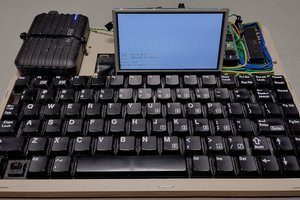
A journey to explore and better understand the Multitech Microprofessor machines in my retro computer collection

Public Chat
Similar projects worth following
The Microprofessor series of educational Z80 single board computers always intrigued me. They were quite popular in the early 80s - computer learning packages including the MPF-1B were advertised even on the subways in my hometown Hamburg / Germany when I was a kid.

I always wanted to own a Multitech (nowadays: Acer) Microprofessor
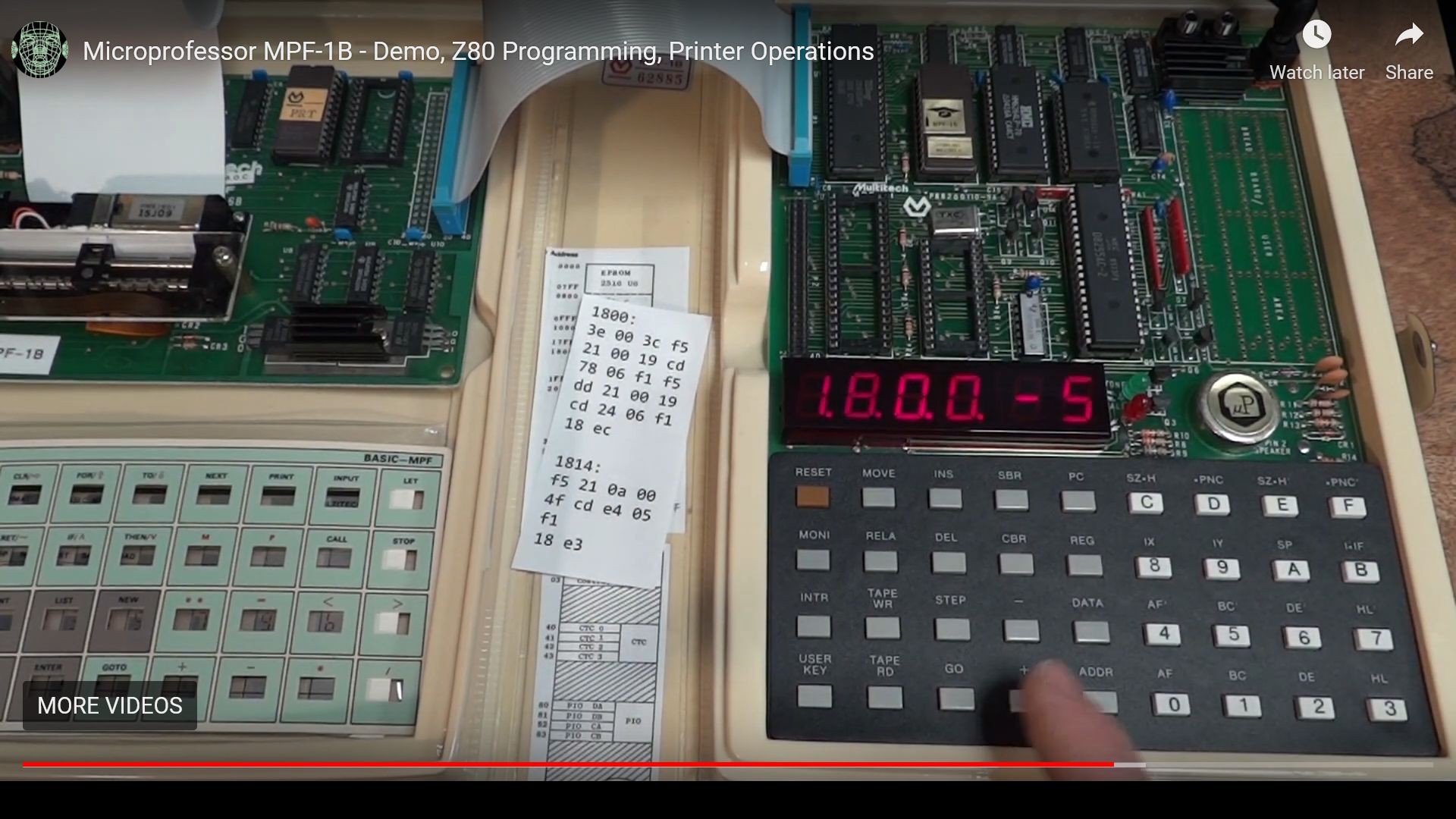
even in the early 80s. I started my journey into computer programming on a similar system, the Busch 2090 Microtronic: 
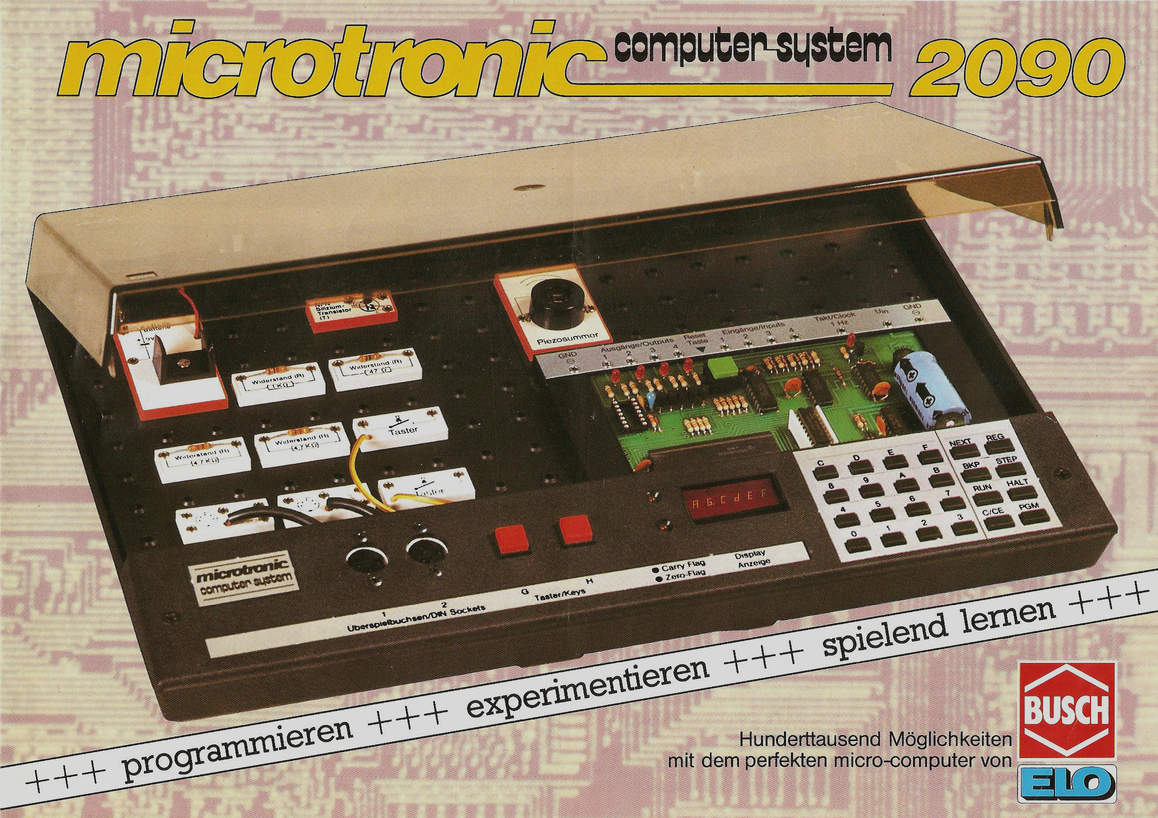
At the time the Multitech Microprofessor MPF-1B was becoming popular in my hometown Hamburg / Germany, I was about 12 years old. I then got the Microtronic at the age of 13, and it was certainly a better choice for my juvenile brain. However, the Microprofessor just seemed so much more capable and professional. So much I did realize.

Fast forward ~ 34 years later, I started adding a number of Microprofessors to my collection of retro computers. Since 2016, I added:

  • professor Wichit Sirichote's modern re-implementation, extended version of the MPF-1B, the CPU 80 from his Build your own microcontroller kit series of single board computers 
  • the MPF-1B with printer
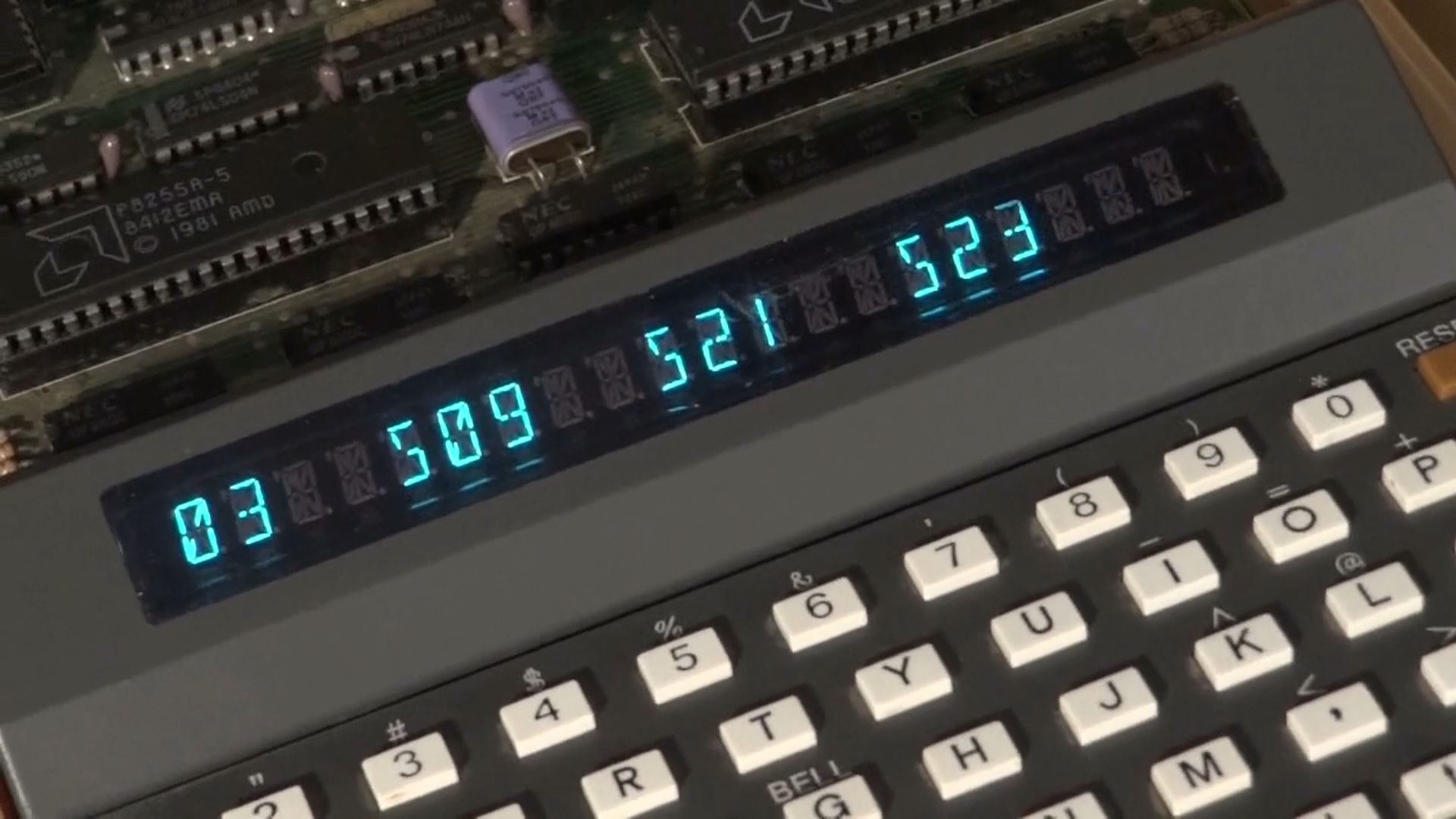
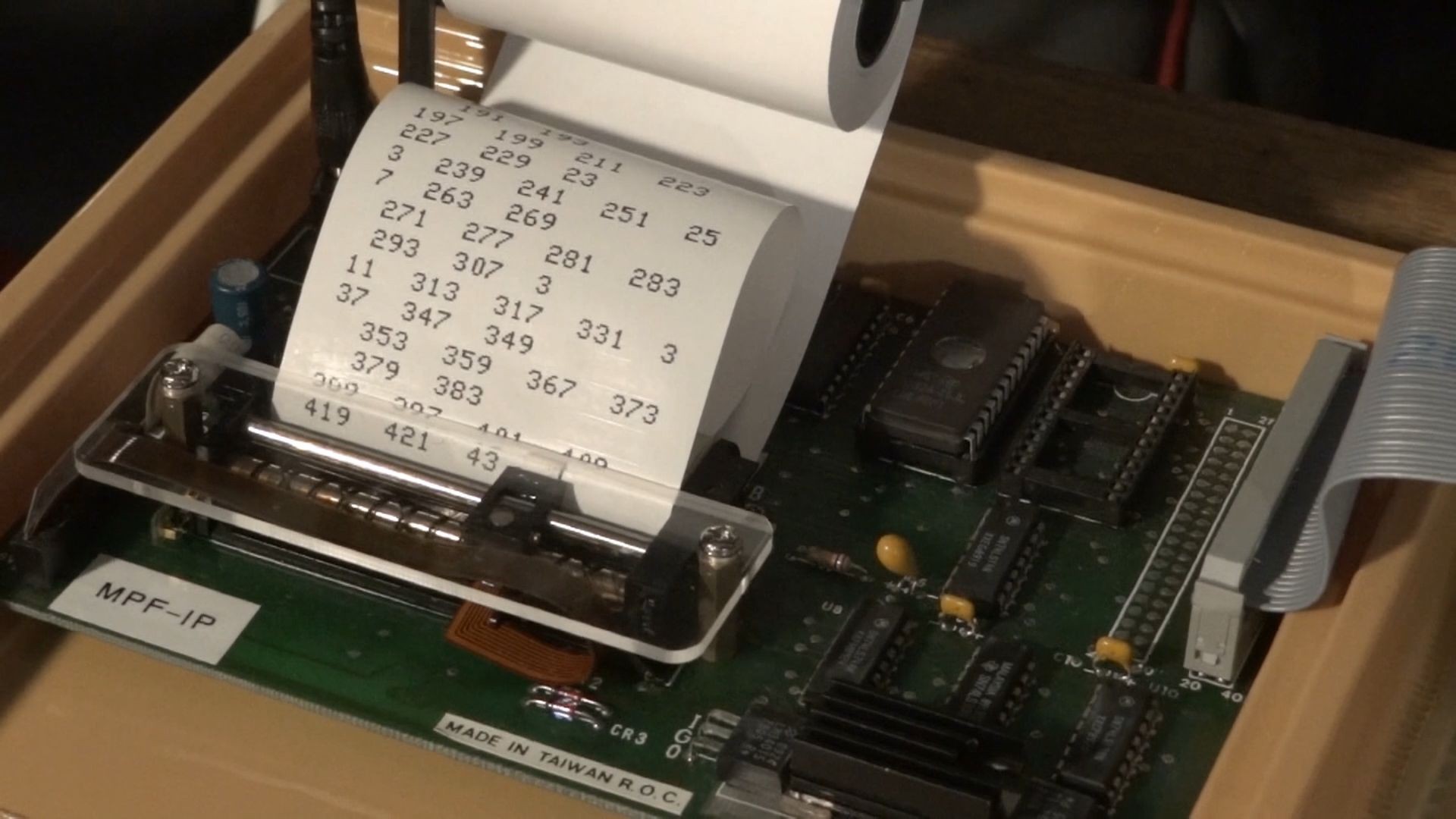
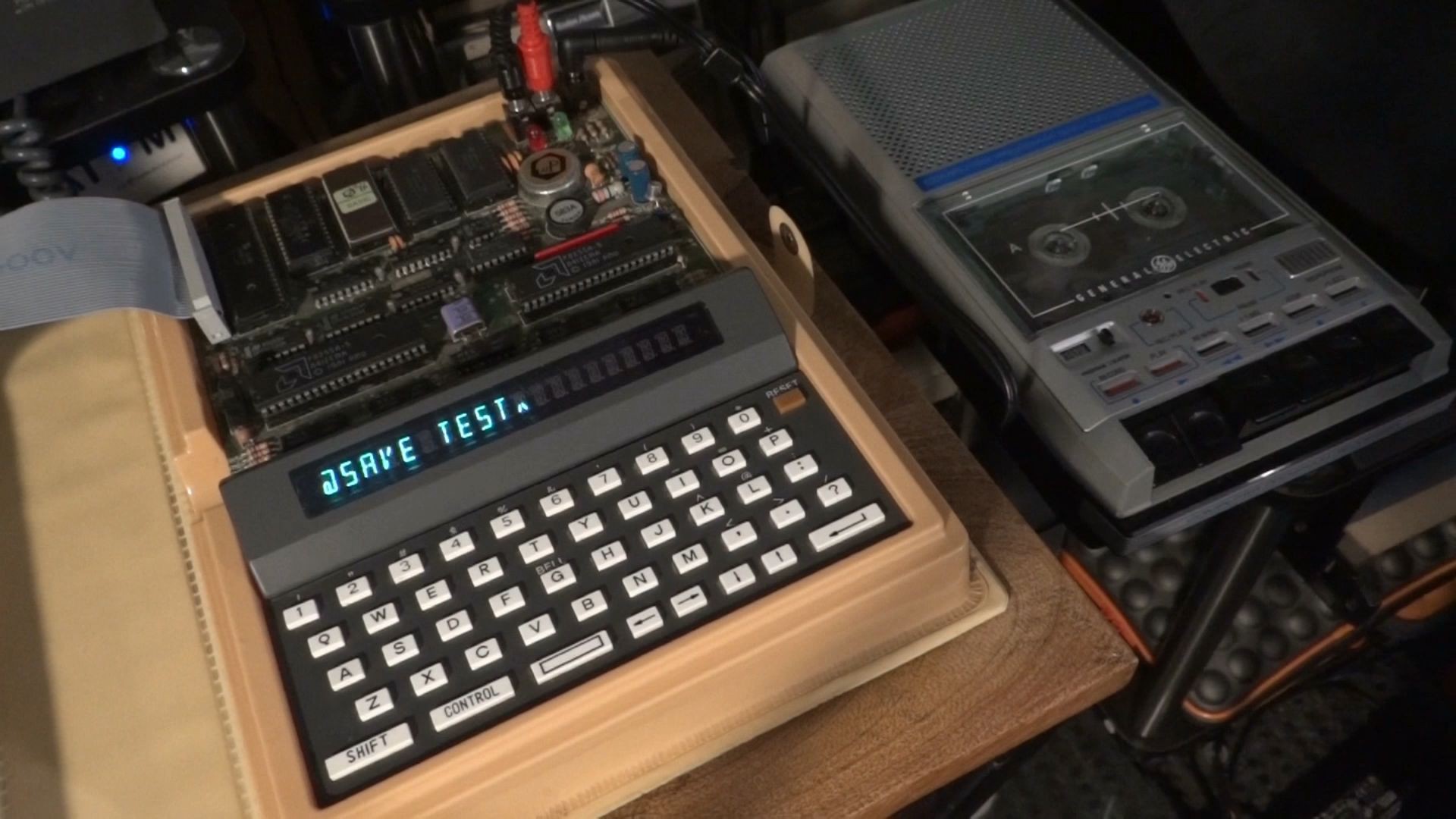
  • the MPF-IP ("I" Plus, or 1 Plus?)  with alphanumeric VFD display (!), and printer 
  • and another MPF-IB, 
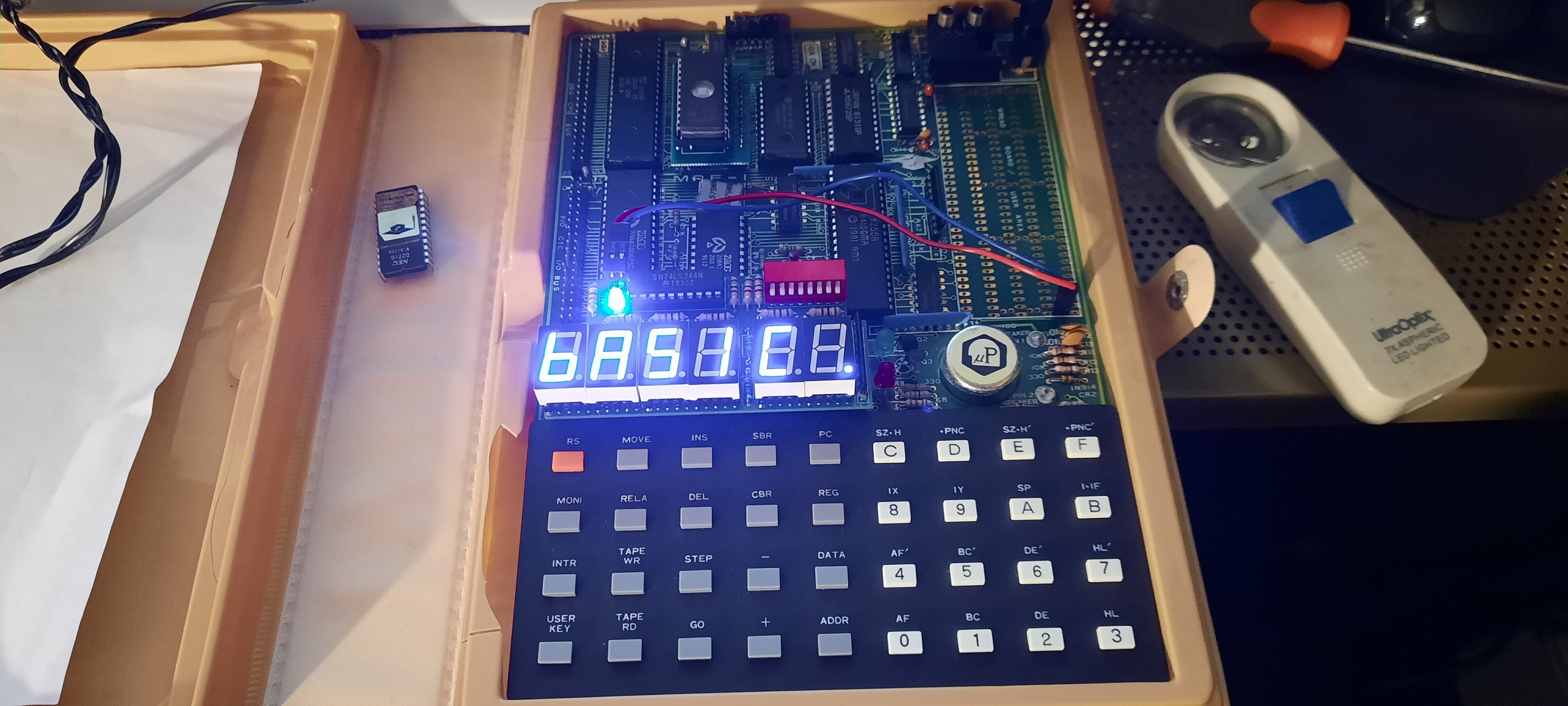
  • and finally, the original MPF-1 which I got inexpensively for 50 $ from EBay; the display was broken and had to be fixed.

Here are a few great web sites which provide documentation and ROM images: 

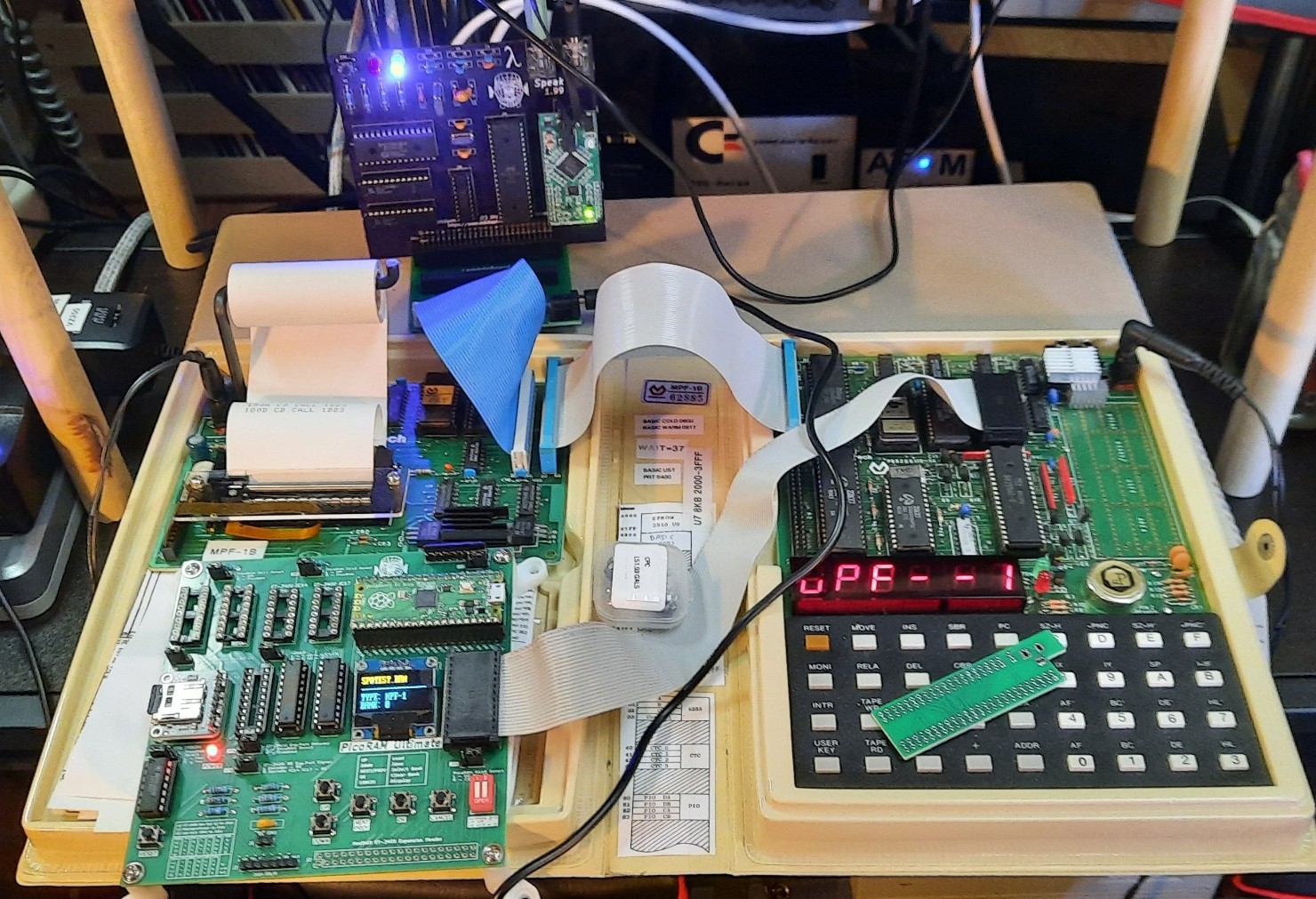
So by now I have 1 MPF-1B, 2 MPF-1P, 1 MPF-1, and 2 printers (they are identical expect for their EPROMS - I have one set up for the MPF-1B, and one for the MPF-1P), BASIC and Forth EPROMs for the 1P, and BASIC for the 1B. I also extended the SRAMs of these machines; i.e., my MPF-1B has 8 KBs of SRAM by now. My MPF-1 has a blue LED display, runs the Monitor + TinyBASIC in U6 with a 2732 <-> 2532 EPROM adapter, and has another 2 KBs of SRAM (6116) in U7.

Here are a few pictures of my two MFP-IP's; one is set up for Forth, the other one for BASIC: 
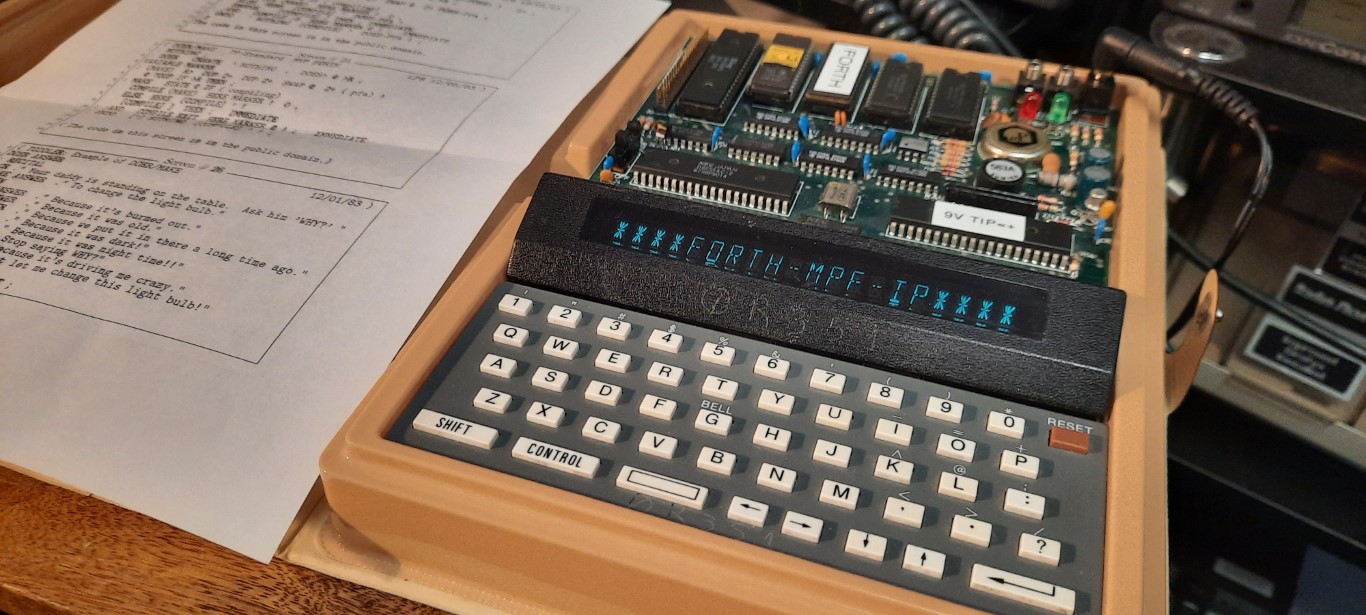


This Hackaday project is an ongoing documentation of my exploration into the wonderful world of Microprofessor machines.  By now, I have made a number of videos - stay tuned for future updates!


MPF-1B Part 1: Monitor, Z80 machine code, printer, disassembler.


MPF-1B Part 2: Palo Alto TinyBASIC.


A modern, extended version of the MPF-1B Part 3: "CPU 80" by Prof. Wichit Sirichote.


MPF-IP Part 1

  • board overview / review
  • monitor
  • line assembler
  • editor
  • 2pass assembler
  • printer


MPF-IP Part 2: BASIC

  • BASIC installation
  • Ssieve of Erastosthenes
  • prime numbers
  • printer
  • cassette storage
  • ZX81


MPF-IP Part 3: FORTH, Part 1

  • FORTH
  • installation
  • documentation
  • background
  • history
  • comments on meta-programming and comparison to Lisp
  • stack
  • Reverse Polish Notation (RPN)
  • HP calculators
  • basic FORTH operations
  • user-defined words
  • outlook to upcoming videos


MPF-IP Part 4: FORTH, Part 2

  • ." string printing
  • interpreter
  • dictionary / vlist
  • colon (:) compiler
  • bottom-up programming philosophy
  • compound words
  • notes on forward-references and recursion
  • do ... loop
  • iterative definition of factorial
  • relational operators
  • if... else... then


MPF-IP Part 5: FORTH, Part 3 - THE DARK SIDE OF THE FORTH

Well, still no recursive definitions; too much ground needed to be covered first - but next time!

  • The dark side of the Forth
  • FORTH vs LISP
  • under the hood
  • the structure of words
  • dictionary
  • code field
  • parameter field
  • LFA, PFA, CFA
  • ' (TICK)
  • modifying definitions
  • execute
  • variables
  • address interpreter
  • defining words
  • create
  • , (COMMA) 
  • DOES>
  • user-defined defining words

MPF-IP Part 5: FORTH, Part Forth umm 4 - Recursion in FORTH

Finally, we have everything to define recursive words! This is going to be a little bit longer (over an hour), but you will learn the following: 

  • compiling words
  • IMMEDIATE
  • LATEST
  • COMPILE, EXECUTE, LITERAL
  • comma (,)
  • recursive definition of factorial
  • compilation execution: (* ... *)
  • vectored execution
  • indirect recursive definitions: ODD & EVEN
  • LABEL, REC, DEF 
  • FORTH...
Read more »

blue-display-gerbers.zip

Gerbers for blue display board.

x-zip-compressed - 31.89 kB - 09/10/2024 at 14:44

Download

blue-display.pdf

Schematics for blue display board.

Adobe Portable Document Format - 127.74 kB - 09/10/2024 at 14:44

Preview

MPF-1_Basic_U7.zip

The so-far missing (= not to be found on other MPF sites) MPF-1 TinyBASIC 2716 EPROM image for U7.

x-zip-compressed - 4.45 kB - 06/29/2024 at 17:45

Download

View all 34 project logs

Enjoy this project?

Share

Discussions

Yann Guidon / YGDES wrote 12/17/2023 at 21:47 point

YESSSSSS
/
Jaaaa !!!!

  Are you sure? yes | no

william massano wrote 10/14/2023 at 17:07 point

I have an MPF-1P with the old basic prom. I do not have the capability of burning my own.  Can anyone burn a copy of the new basic. I will , of course, reimburse you for the time and materials. Contact me

  Are you sure? yes | no

R Hormann wrote 07/01/2022 at 17:35 point

@x48x4b  What a great series. I've recently bougt a MPF-IP with the IOM-MPF-IP experimental board from Multitech myself and would like to experiment more with it. It came however without documentation so I'm struggling. Do you have a copy of the documentation that you can share?

  Are you sure? yes | no

Mitsuru Yamada wrote 02/14/2022 at 07:37 point

Thanks for introducing Microprofessor series.  I had never heard of this board computer those days, because the only board computers available in the stores in my country at that time were those made by several large domestic electrical manufacturers.  The RPN notation also used in the FORTH language almost eliminates the need for parsing, so I used it in the floating-point interpreter I built myself last year. 

  Are you sure? yes | no

Michael Wessel wrote 02/02/2022 at 20:48 point

@x48x4b that's great, thanks for sharing - did Sargon chess require a lot of modifications? Would be great if you could upload the code with your mods somewhere. So how much RAM does it need? It might be a nice DIY exercise to build an expansion board for the MPF.... with extra SRAM, RS232, and maybe speech.

  Are you sure? yes | no

x48x4b wrote 02/03/2022 at 06:39 point

I had to modify the memory organisation and took out the video section. The original Sargon was installed on a Wavemate Jupiter III. This had a Z80. But e.g. it had a video board, which my MPF does not have. Instead I wrote a routine to direct the output to the serial interface. What I did not change at all are the chess algorithms. My current version uses x1d2d bytes excluding stack. I will tidy it up and post it somewhen.

  Are you sure? yes | no

x48x4b wrote 02/10/2022 at 07:32 point

This is my machine from the 1980ies, in todays working condition: https://www.mycloud.ch/s/S00E8C2E8289DDE0E50B95028DFF9DB989ABBE58C10 It is an MPF-IP with the stock accessory boards IOM-MPF-IP and EPB-MPF-IP and 16k RAM, On the bread board section, I have installed an additional PIO, 4 motor drivers and 2 A/D converters. This was done in the 1980ies, to be used withe my Fischertechnik robot.Today, the accessory boards can occasionally be found on Ebay.

The Sargon code for my MPF-IP is here:

https://www.mycloud.ch/s/S007B47874D00053B738BFE0EA9720BCA96DFA769FB 

  Are you sure? yes | no

x48x4b wrote 01/26/2022 at 16:42 point

An MPF-IP (with accessory boards) can be used to run a chess program, to see how, check out the following mkv-video (watch it on VLC):

https://www.mycloud.ch/s/S000DB711BCA0EE2949ADD0A240A68026A2650D987D

  Are you sure? yes | no

Michael Wessel wrote 02/02/2022 at 17:23 point

@x48x4b, very cool! What kind of expansion board is that? And it seems it has RS232 terminal? Is that a DIY board? And has extra RAM?

  Are you sure? yes | no

x48x4b wrote 02/02/2022 at 17:53 point

It is the original IOM-MPF-IP experimental board from Multitech with a 8251 UART, a Zilog CTC and a bread board area. There are also sockets to add 3x2 kByte static RAM and other stuff. I purchased it in the 1980ies to drive my Fischertechnik Robot. Later the MPF-IP and the IOM-MPF-IP were stored away for more than 35 years on our attic. In the Corona lock down time, I reactivated it to have some fun. The reactivation turned out to be challenging because some of the chips had to be replaced, and some of the electrical contacts were bad. The goal of the project was to run the original Sargon chess program from Dan and Kathe Spracklen, which actually succeeded.

  Are you sure? yes | no

Bob S. wrote 01/19/2022 at 15:11 point

This was a great little learning tool back in the 80's. I had a Tandy Model I and bought this MP to brush up on Z80 assembly. It is a fun tool to work with. I had loaned mine out in 1989 and just recently found one for a good price on Ebay. Needed a PIO chip and Jumpers added. I also made a small preamp for the cassette input so that I could record programs with a PC or cheap digital hand-held recorder that didn't have the appropriate output level. Worked well. Still fun to tinker with and a good platform for problem solving.

I always thought a PIC processor (8bit) version of this kind of thing would be nice... with the keyboard and display, etc. Haven't really found one...

  Are you sure? yes | no

Michael Wessel wrote 01/19/2022 at 16:03 point

Bob, yes, I think they are highly effective for Z80 machine language bare metal programming. And unlike some other CPU trainers in my collection they are well-documented and have useful firmware routines for input and output. I also love that it doesn't matter when you crash the machine - hit reset, your program is still there, and continue! No need to save and re-load your work all the time. At some point I'd like to create a speech synth expansion for it. Enjoy your microprofessor!

  Are you sure? yes | no

Ken Yap wrote 01/18/2022 at 01:43 point

Thanks for documenting this series. I never had one but vaguely remember seeing ads for it. Looking forward to watching your videos. 👍

  Are you sure? yes | no

Michael Wessel wrote 01/18/2022 at 01:59 point

Thank you! Yes they are really neat little machines!

  Are you sure? yes | no

Similar Projects

Does this project spark your interest?

Become a member to follow this project and never miss any updates