 jaromir.sukuba

Years ago I stumbled upon article describing geolocation logger for animals, allowing biologists to track their position. The device was self-sustained, logging into its memory, available to be downloaded after retrieval.
As usual, no details were released, I just remember method of determining position from time of dawn and dusk - it certainly piqued my interest. I decided to investigate more into this method... one day. And coin cell contest gave me good reason to start it.
This project ran in two phases, with two different hardware variants built:
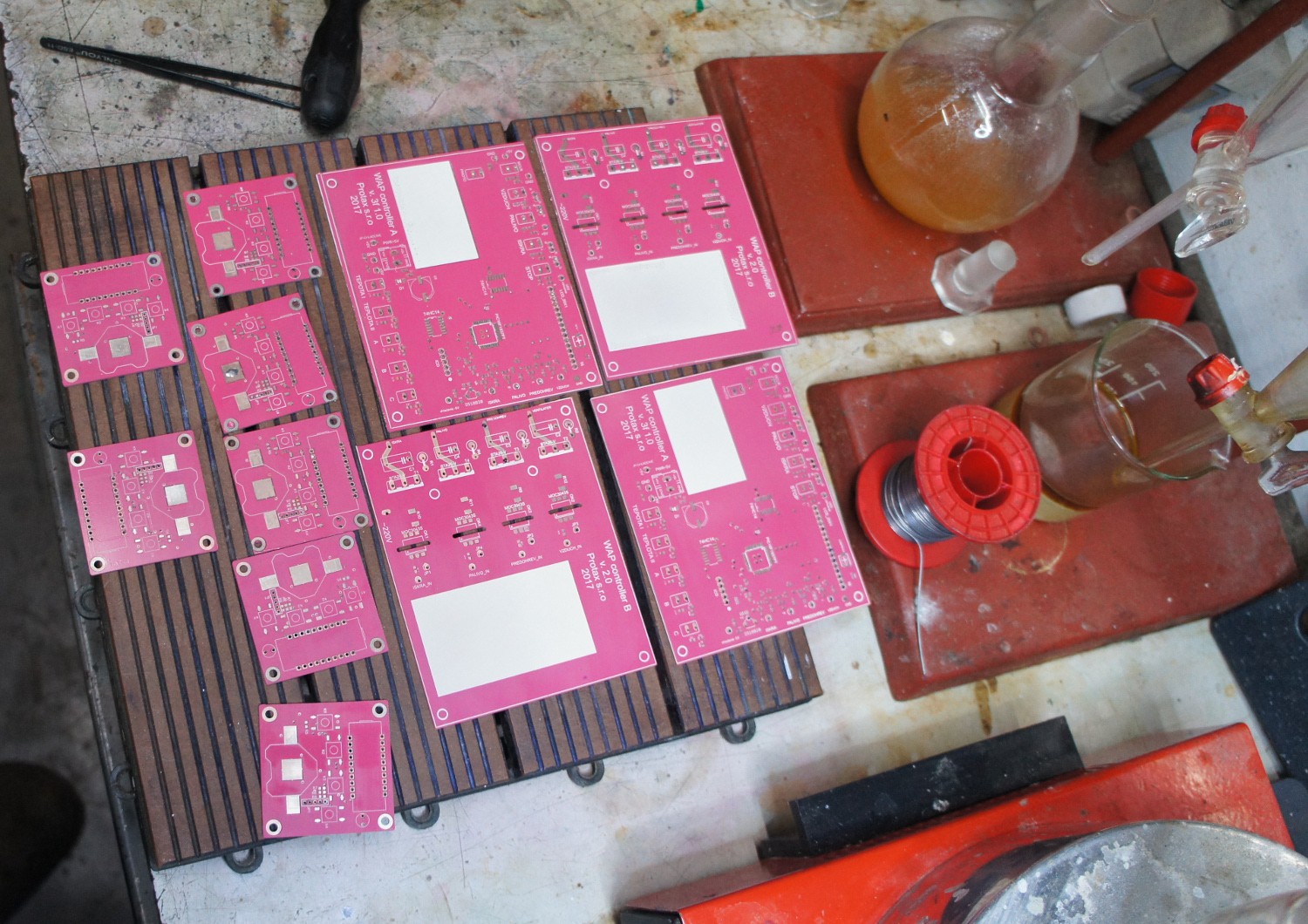
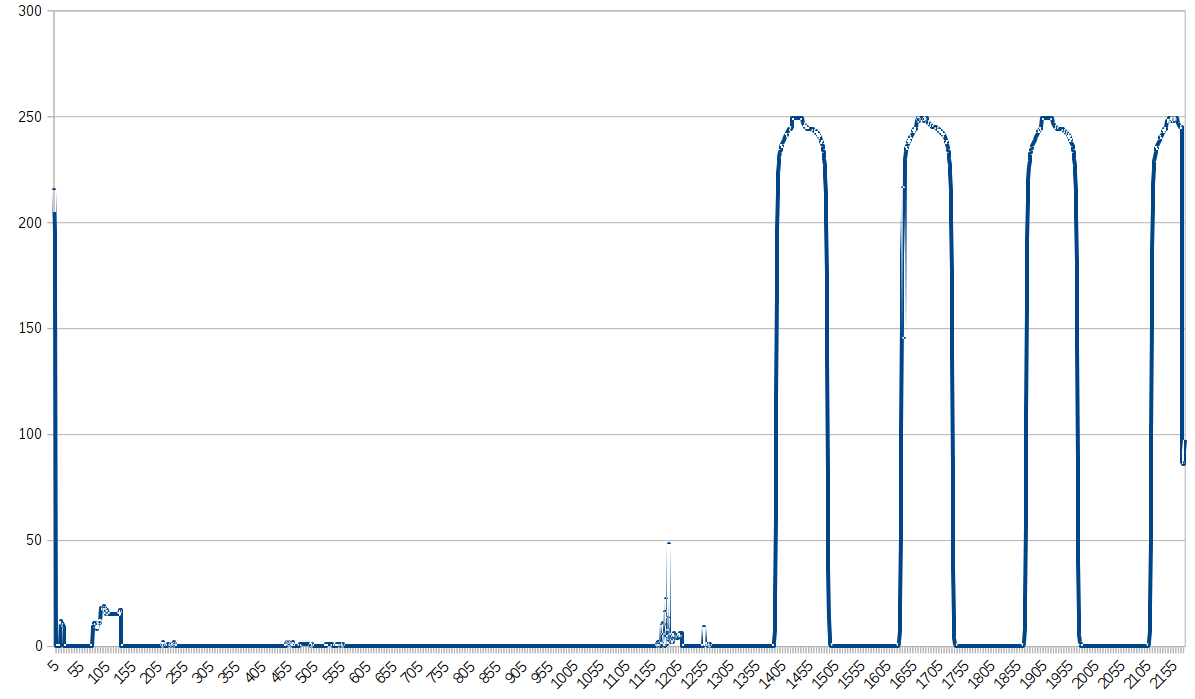
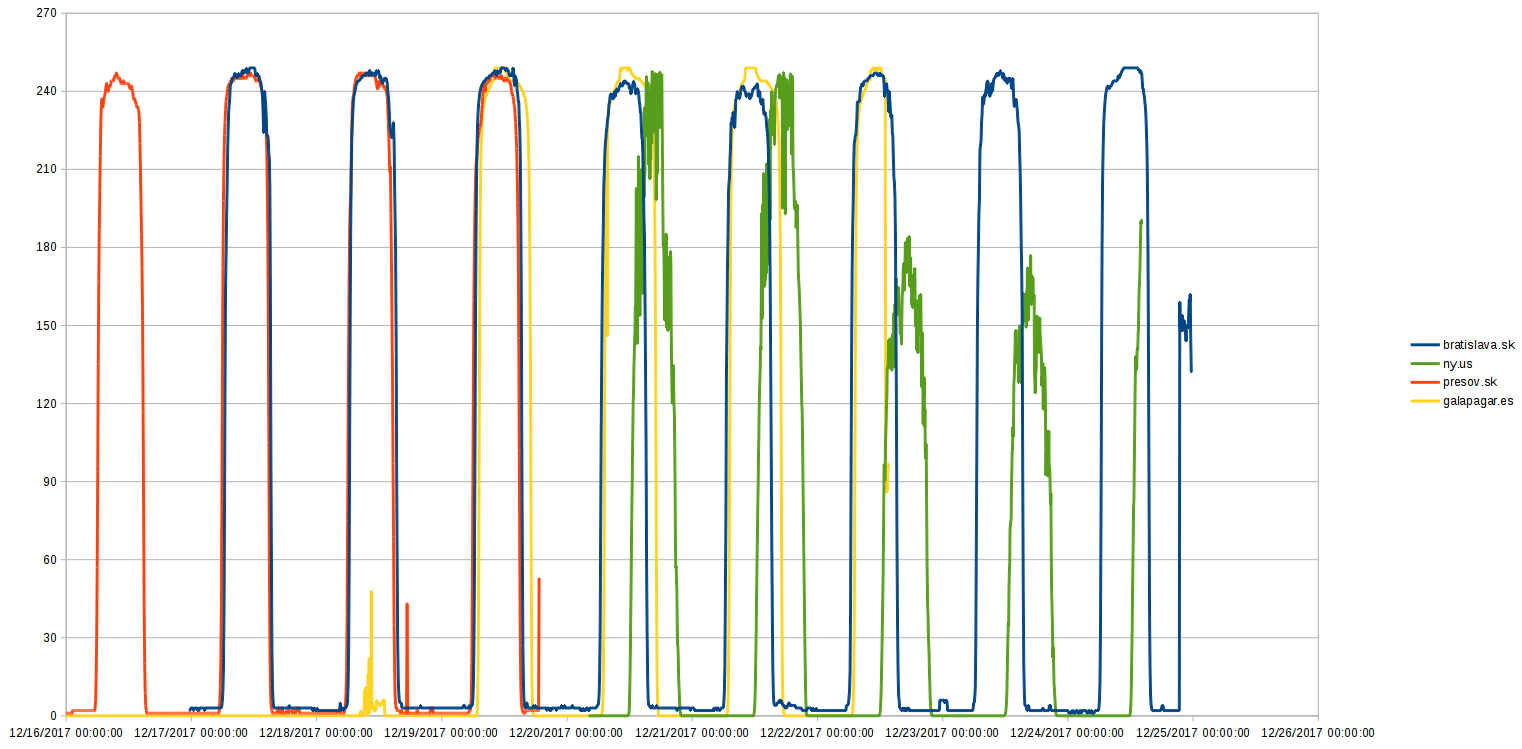
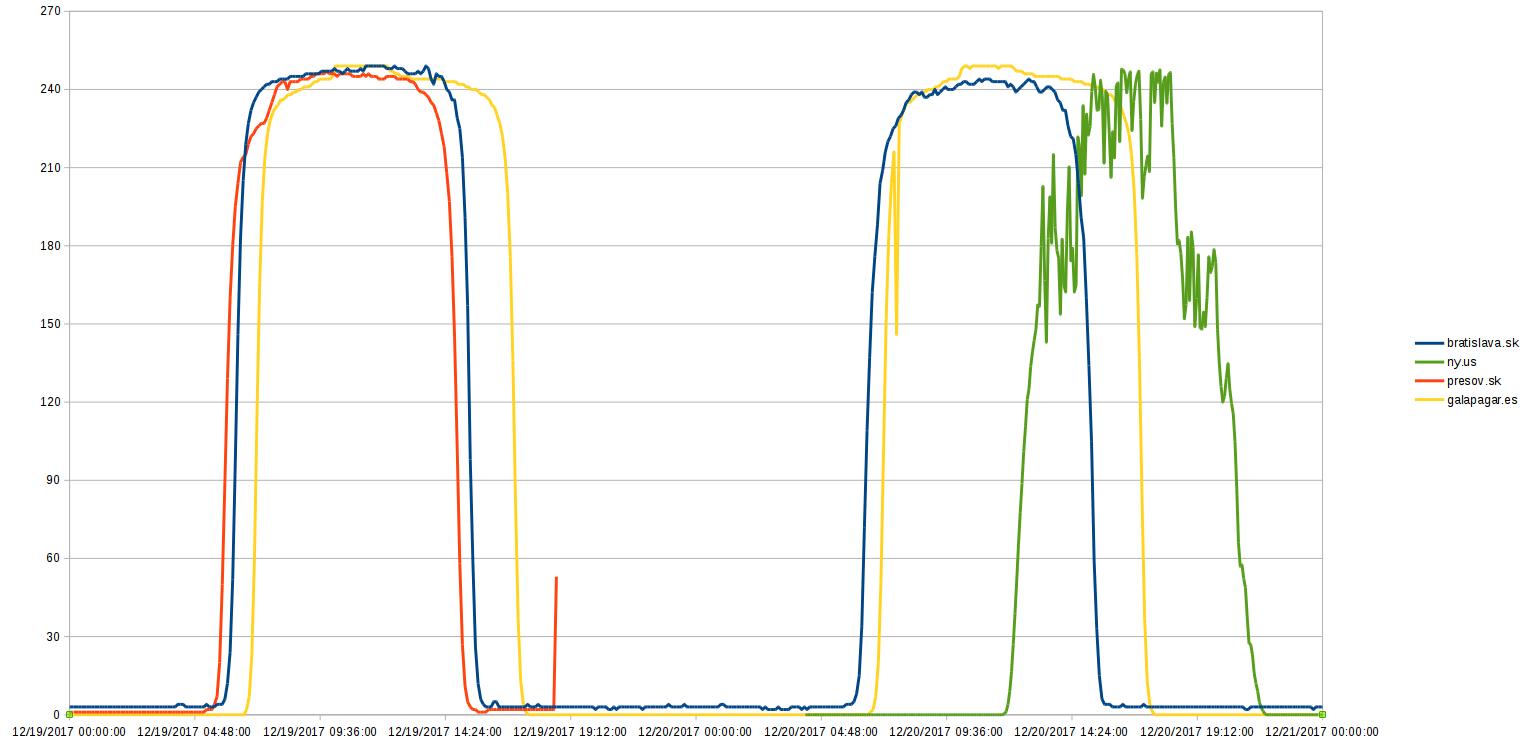
1, At first I have no single clear idea how to turn light input data into geolocation output - though I had partial ideas that can be employed. In order to make the decision easier, I built simple and "disposable" loggers I sent around the world to see and log as many sunsets/sunrises as possible. Those loggers were designed to not make any geolocation output, just logging light levels; and were of no use after the mission is done.
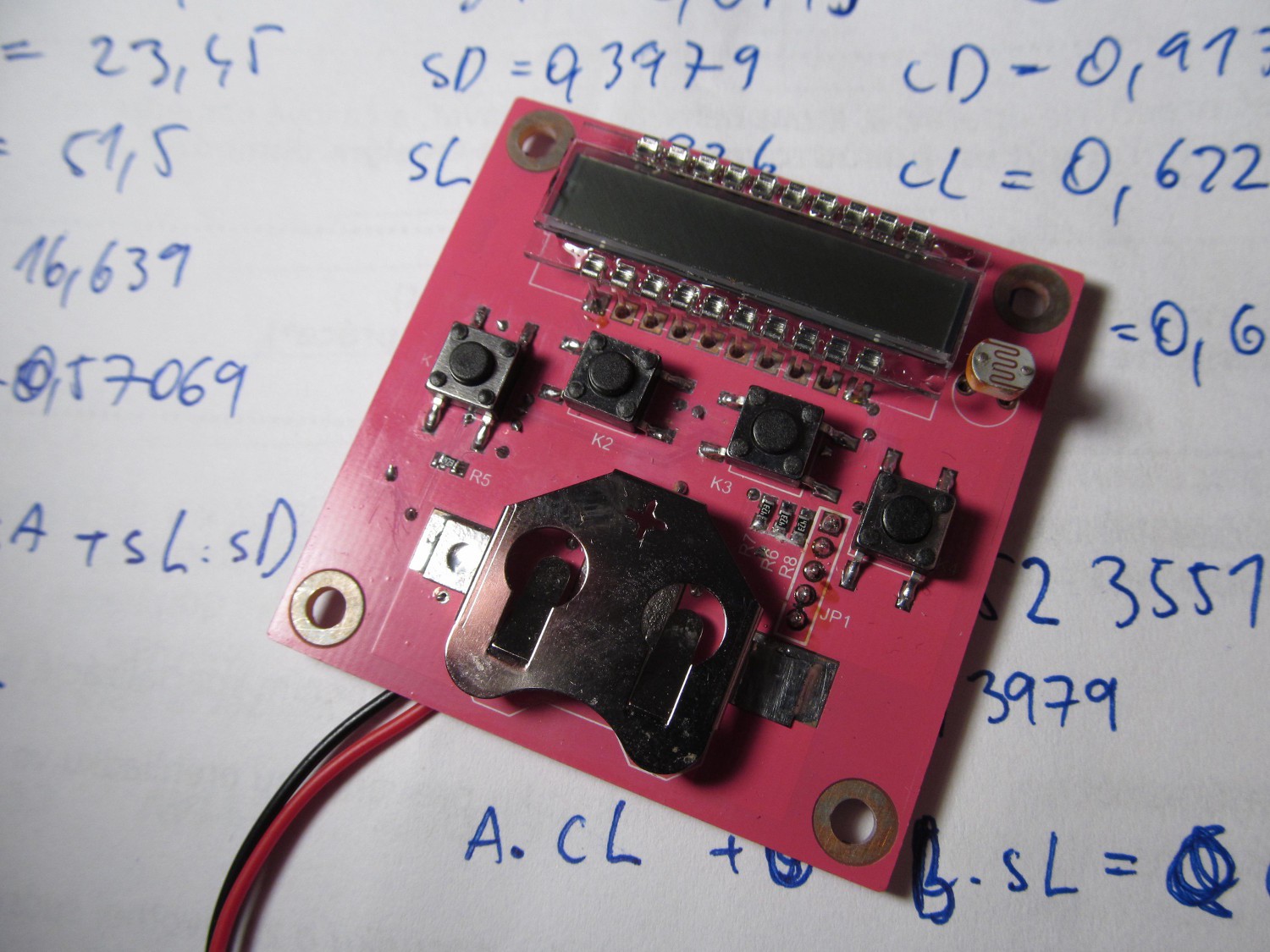
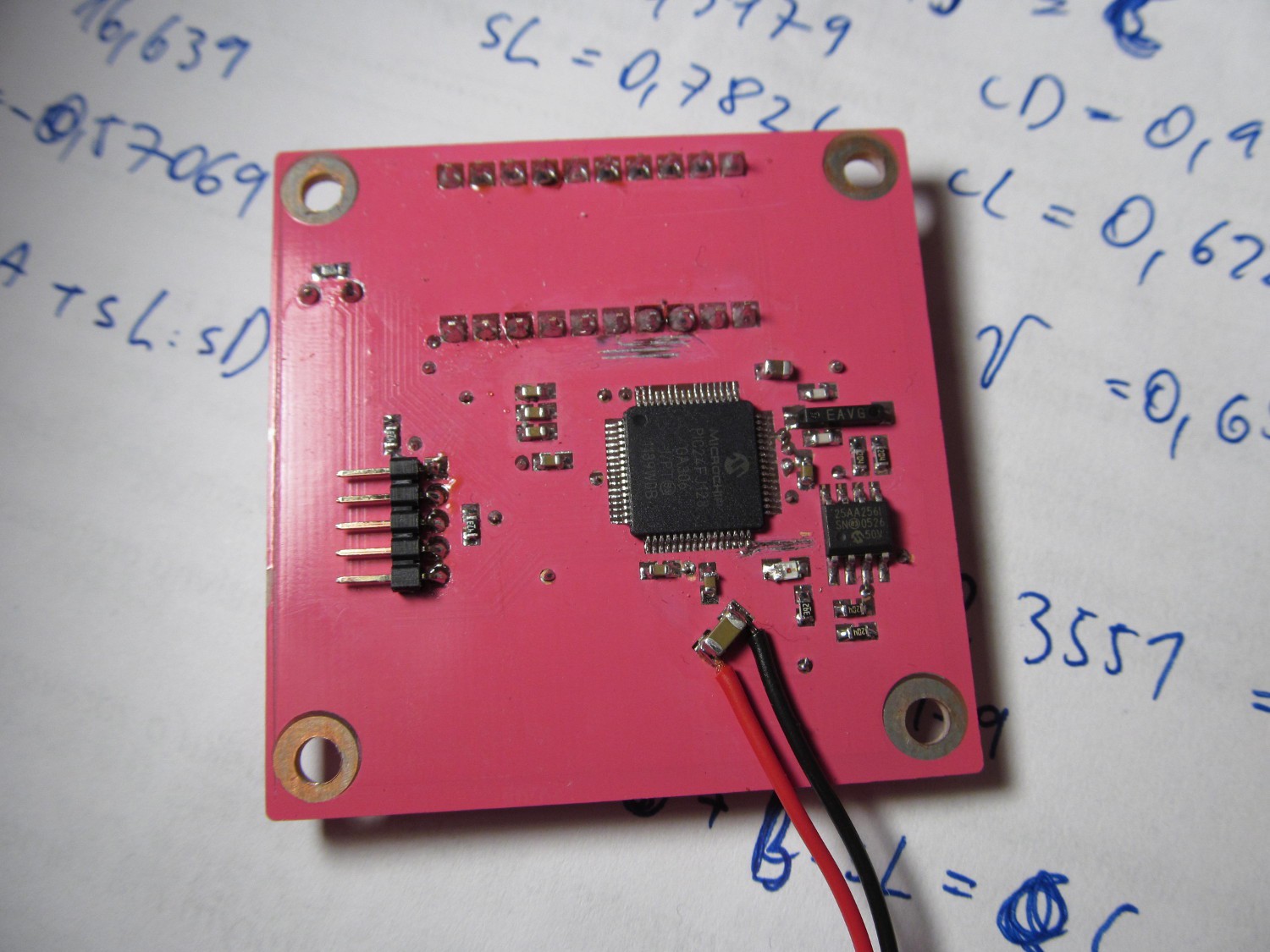
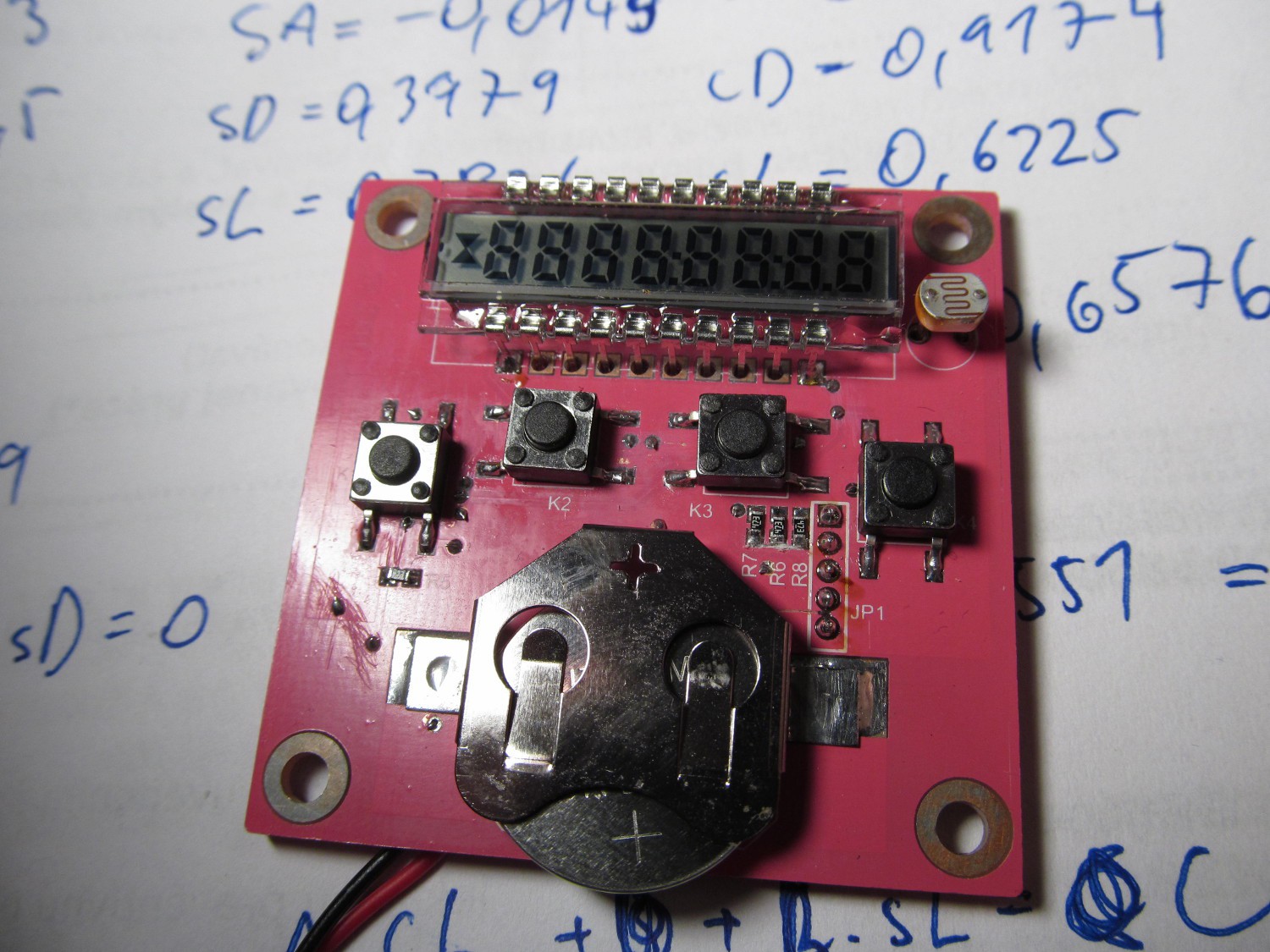
2, Once the geolocation algorithm was clear, I made the final LLG hardware, providing geolocation output on display, also with logging capability.
The accuracy of geolocation seems to be in order of dozens of kilometers. It depends strongly on surroundings, though in really unsuitable conditions it can provide valid results within few hundred of kilometers.
The LLG has calculated run-time of nearly 10 years with LCD permanently on, or over 30 years with LCD off. EEPROM capacity is for more than 22 years worth of logging.
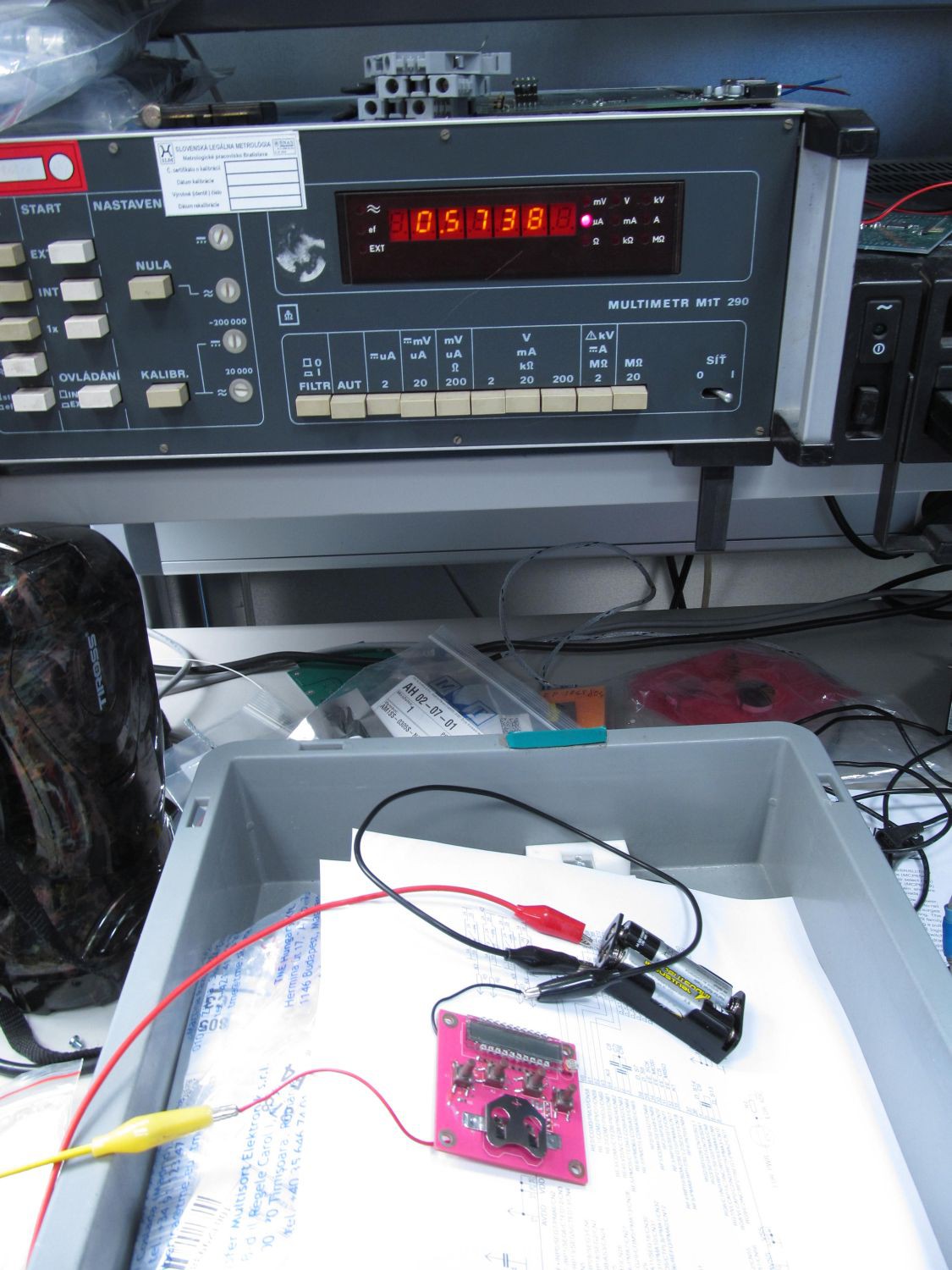
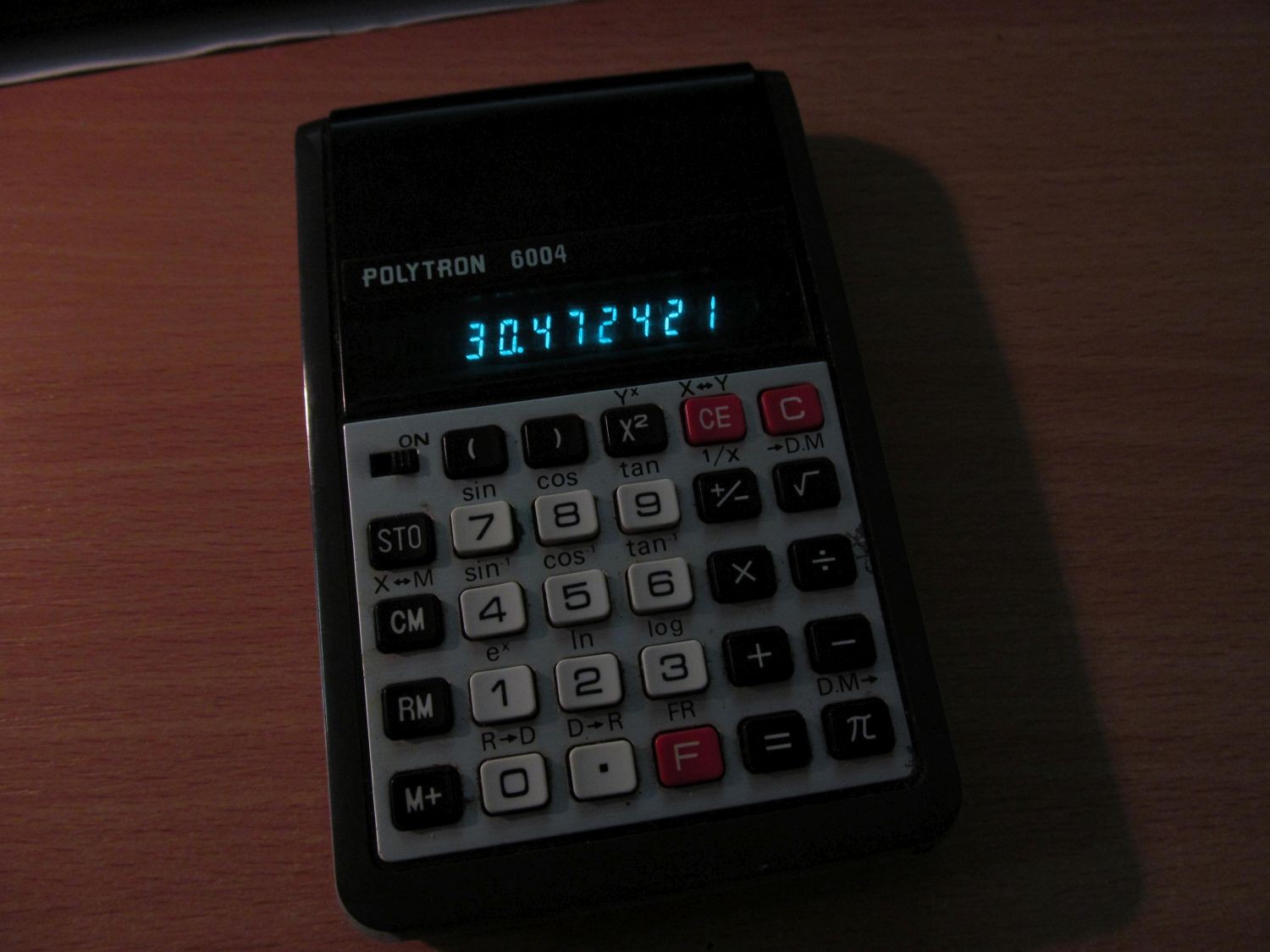 Keep in mind those are projected numbers, especially the 30 years figure has to be taken with grain of salt, as anything over a few years. I've seen and heard of many stories where CR2032 powered BIOS backup for 15 years and then ran just like new, but battery is just chemical component and as everything other it's only so much tolerable to manufacturing variances, temperature changes, humidity... etc. The same applies to the LLG itself. MCU sleep current is somehow temperature dependent. PCB - especially at places where solder flux wasn't perfectly washed out - can absorb some humidity, bringing the consumption higher.
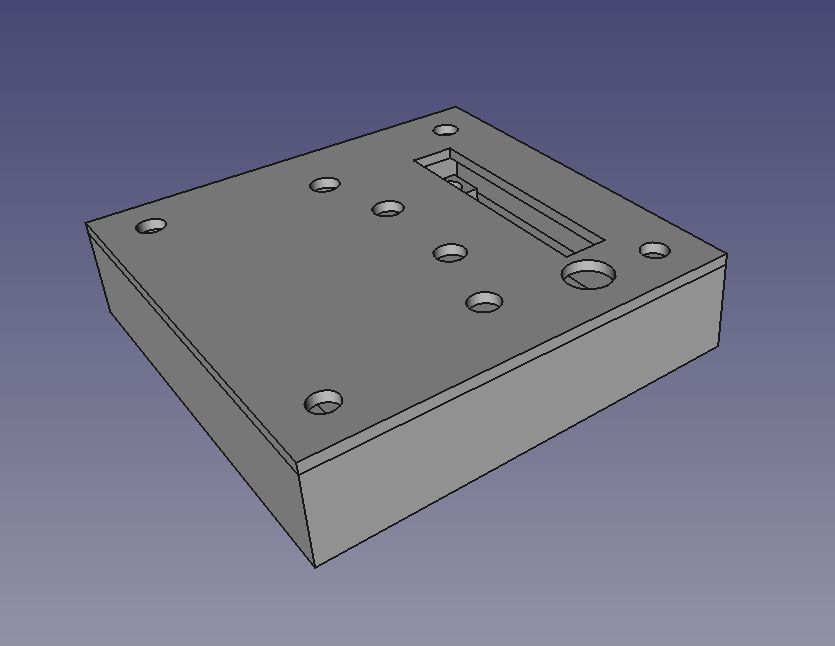 and printed it in two parts
 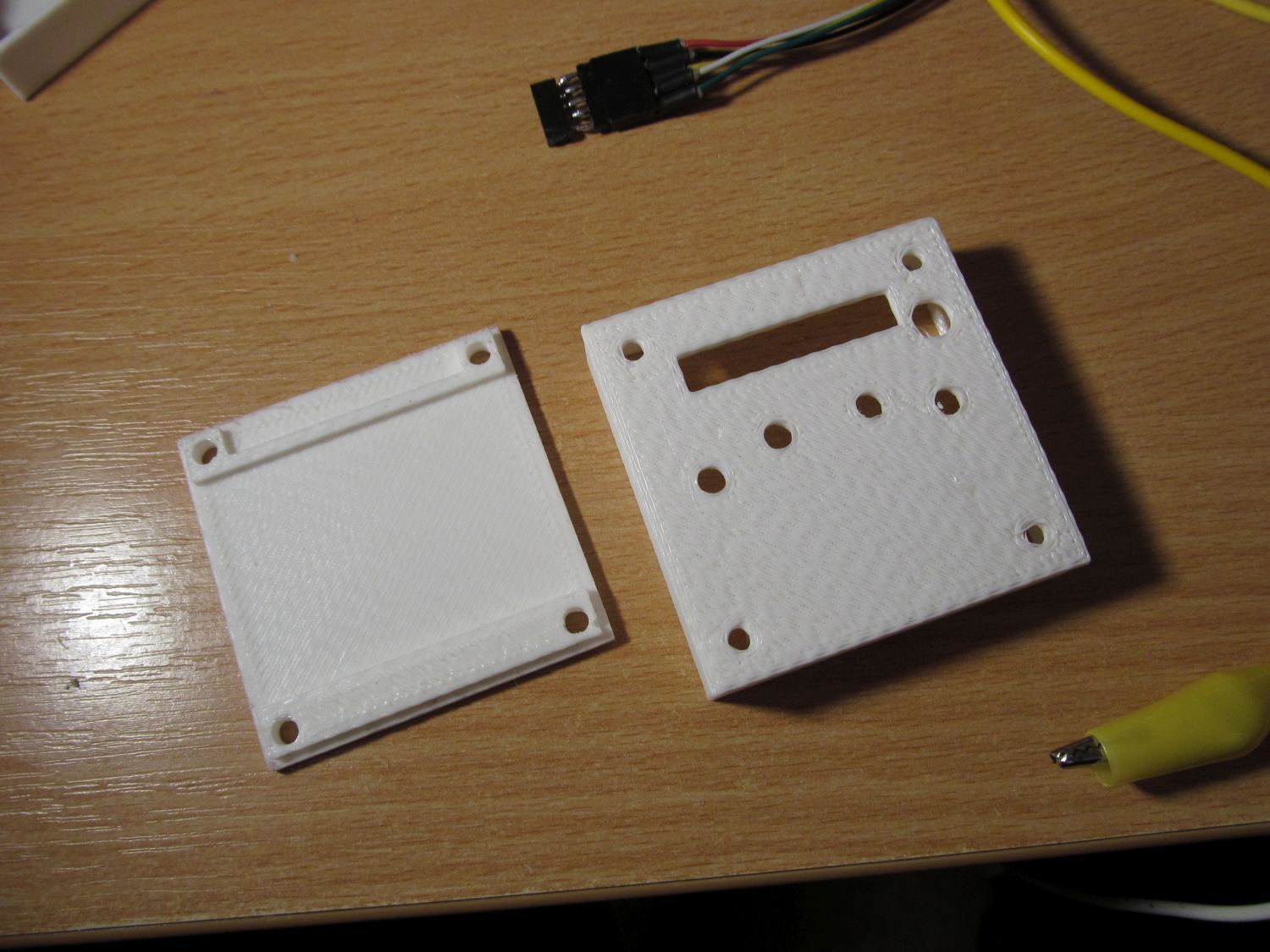 After a few strokes with sandpaper it fitted nicely together, bottom part first, with standoffs
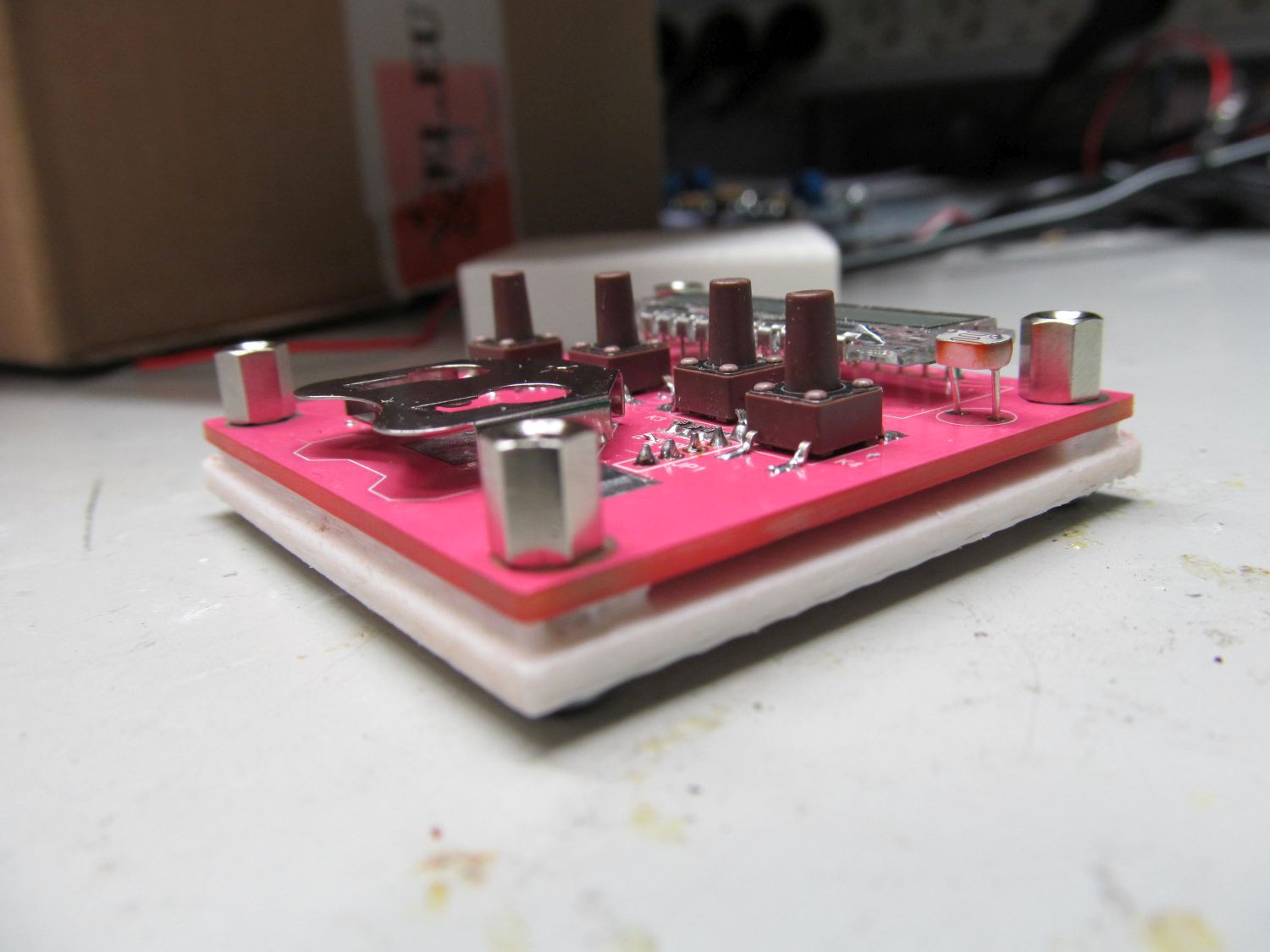 inserted battery
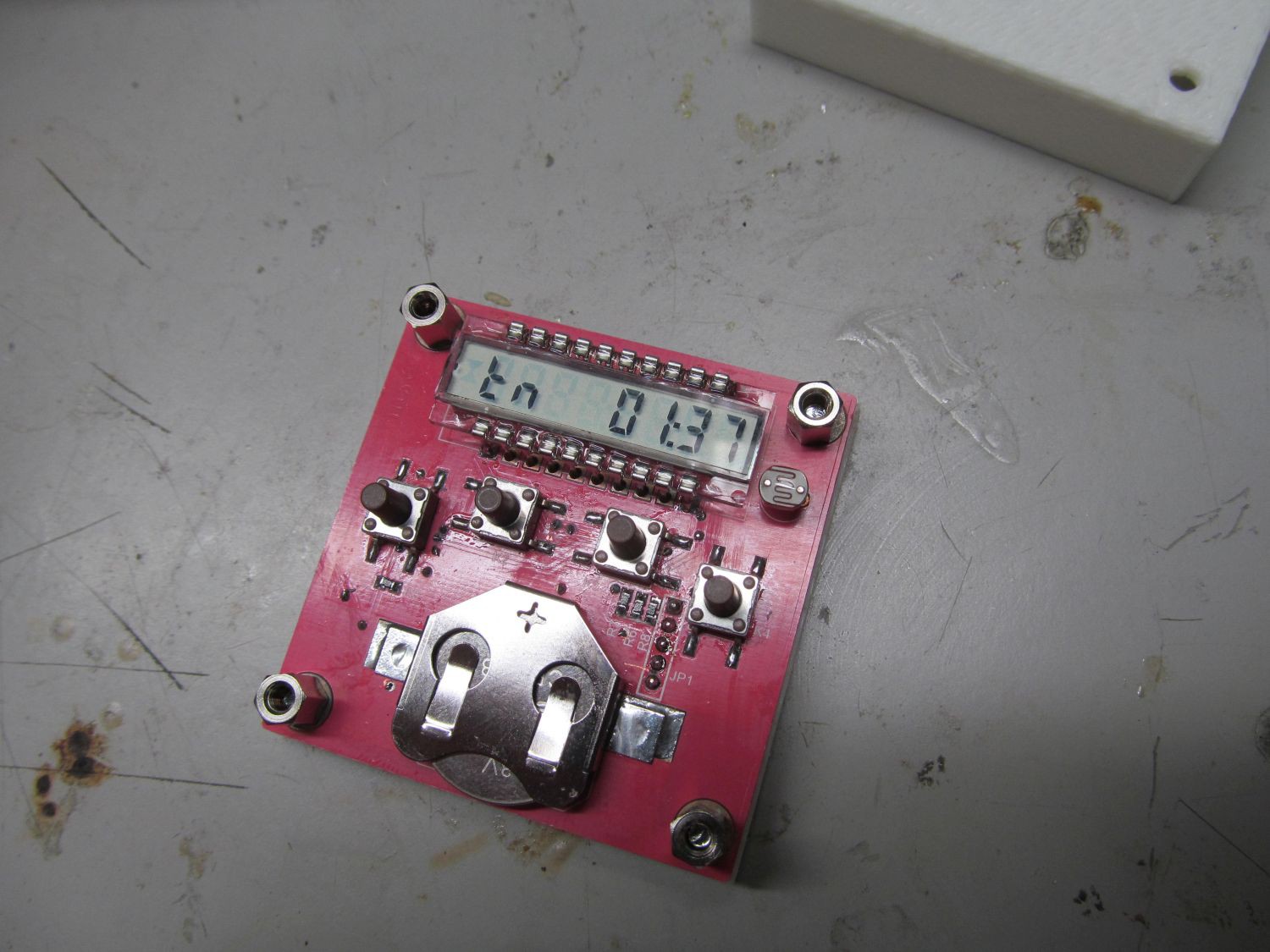 and top cover
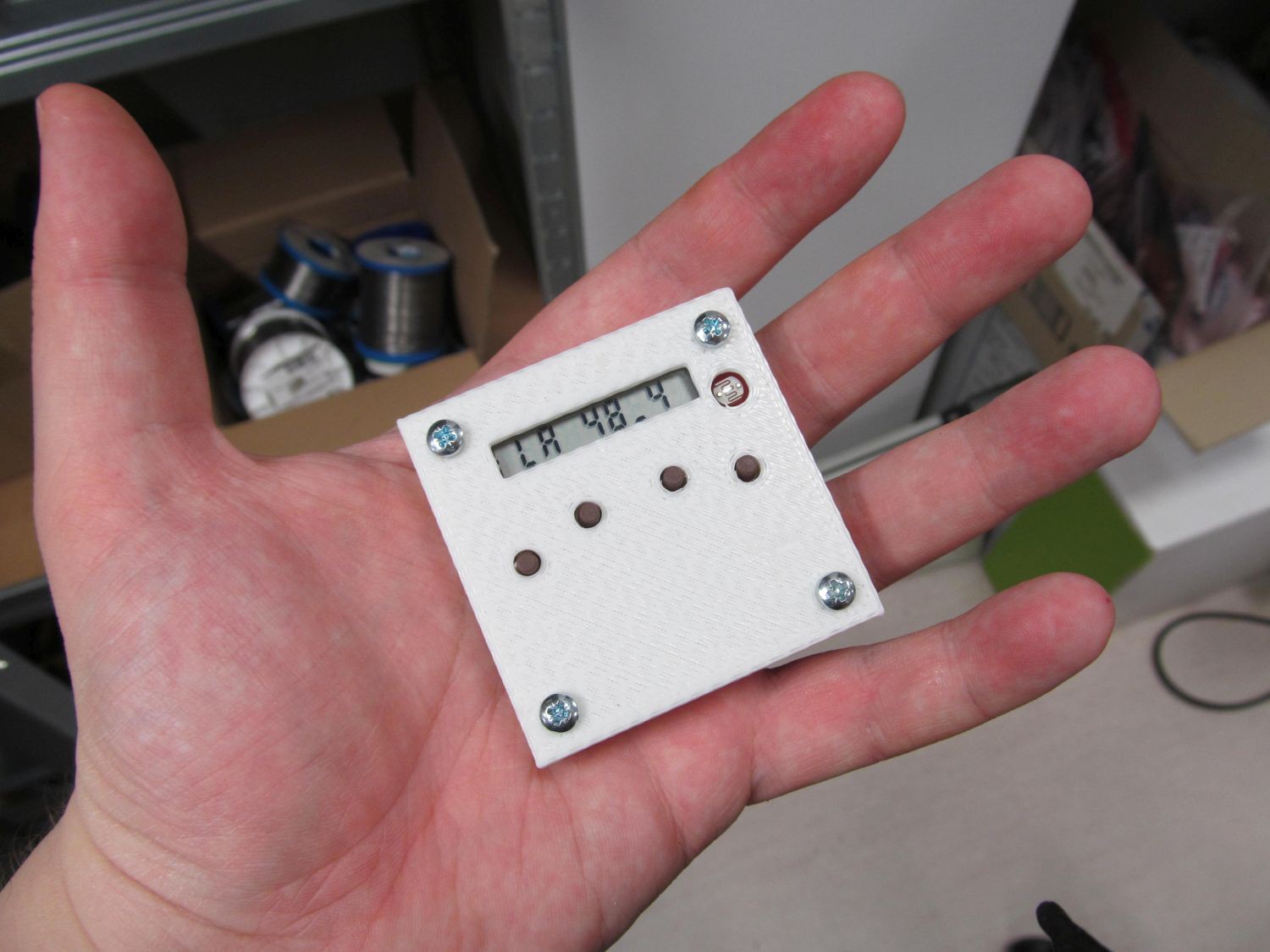 While case was being printed, I made final touches to my firmware I was working on for last three days. As this project reaches to completely new filed to me, at least 95% of code was freshly written, with little code reuse.
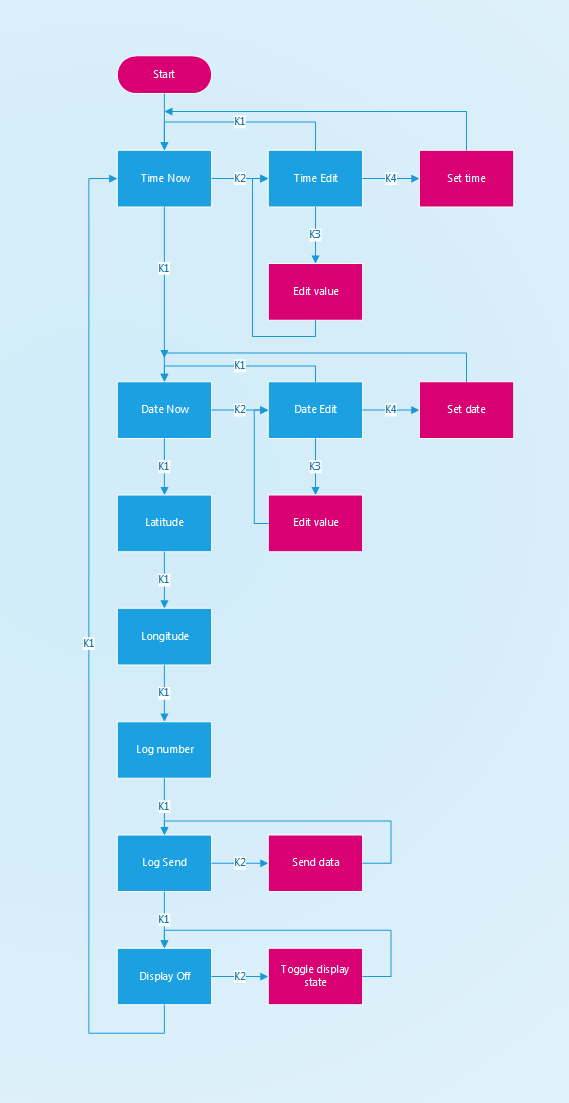 When browsing UI, device is clocked off internal 31kHz oscillator, with total consumption roughly 25uA.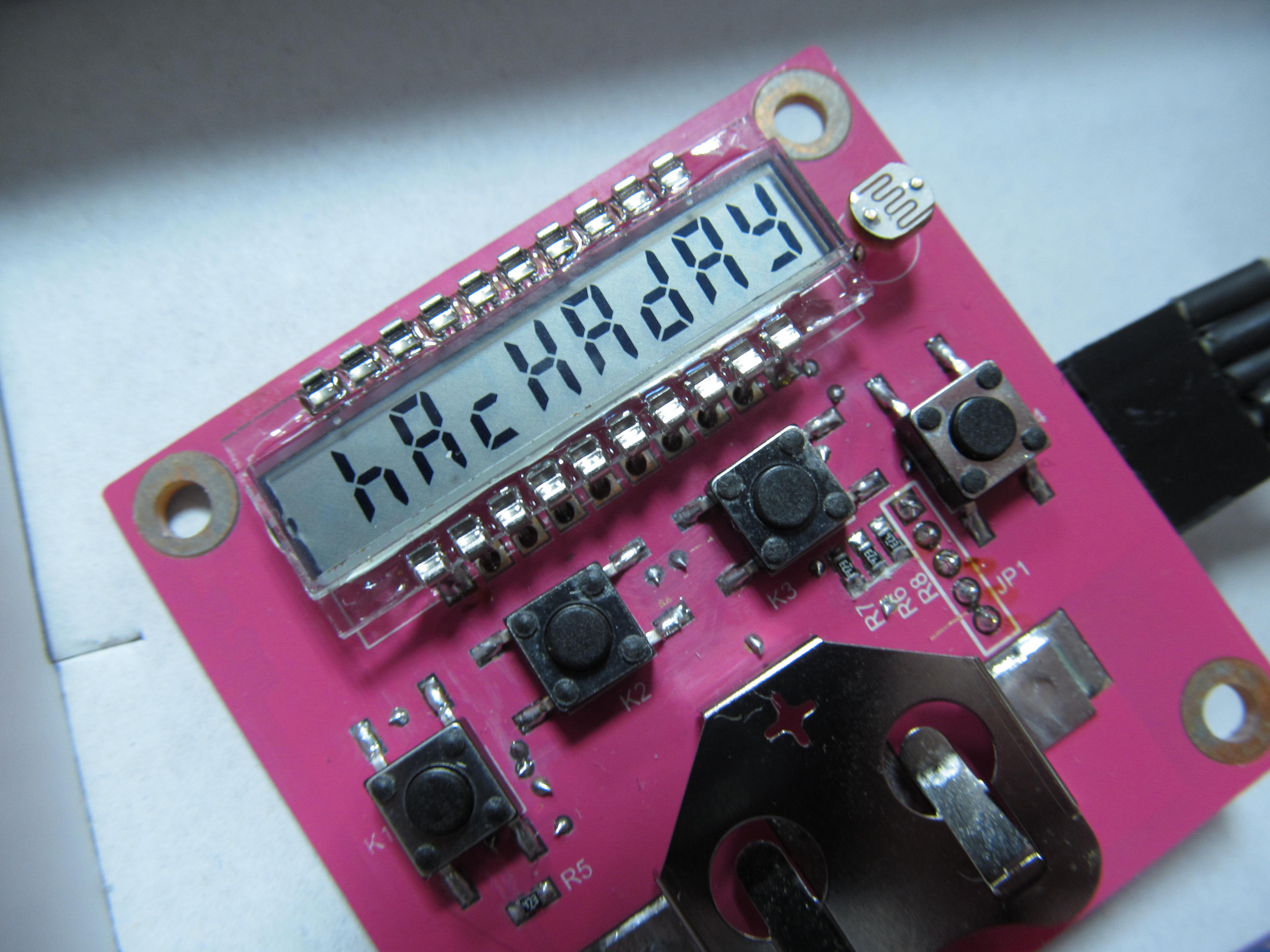
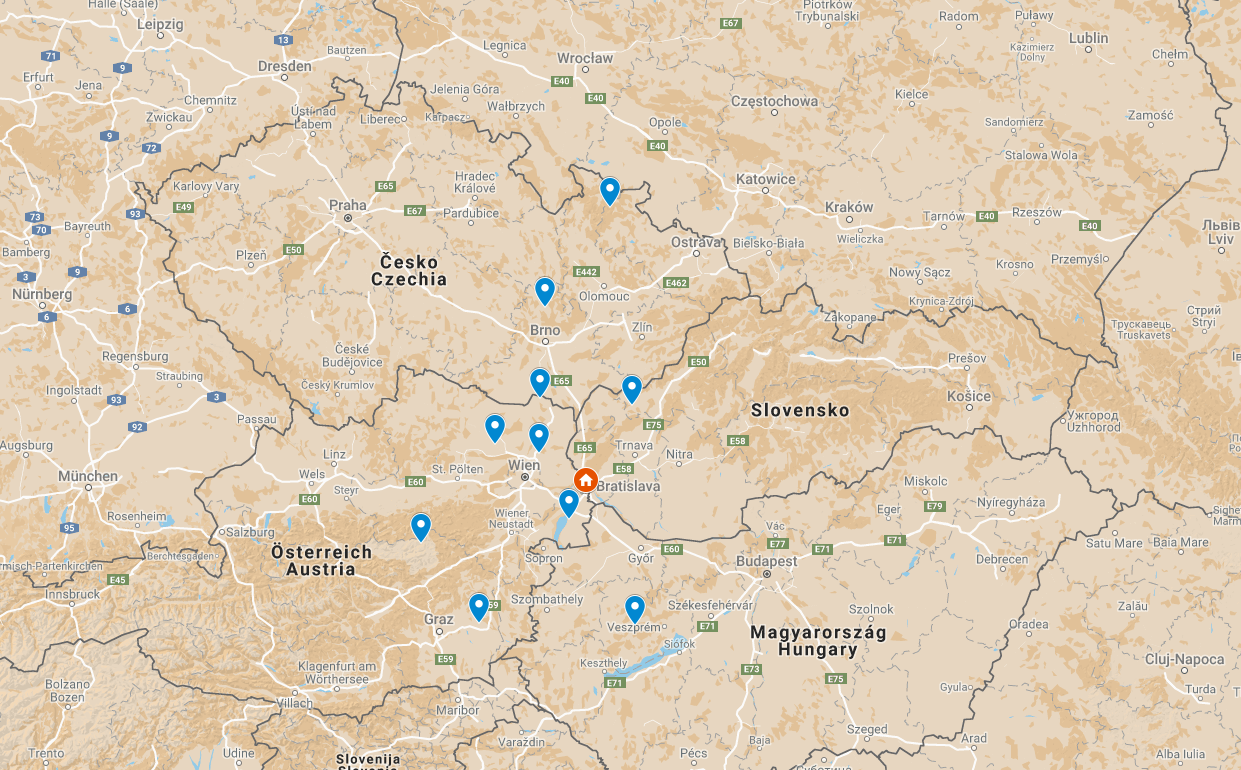
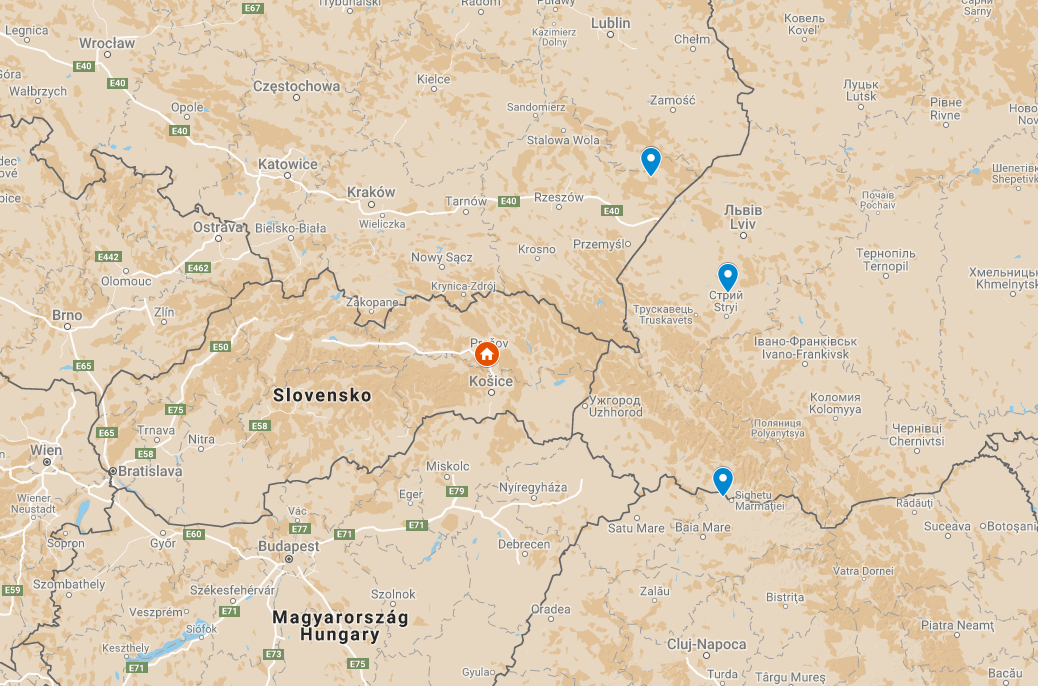
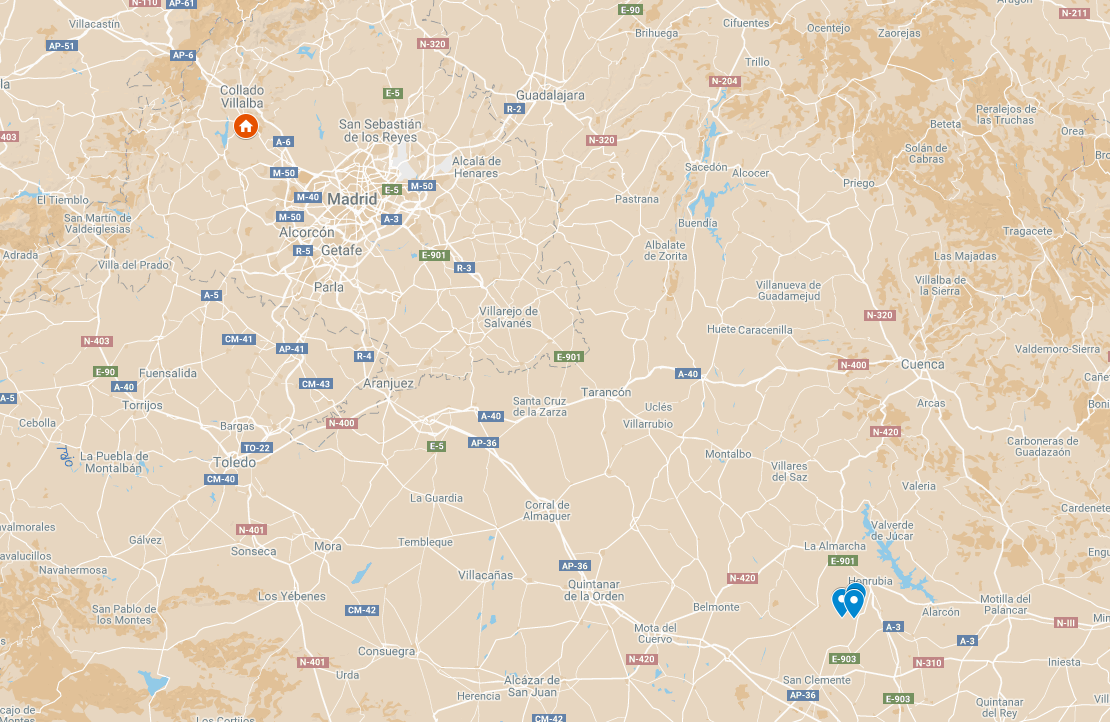
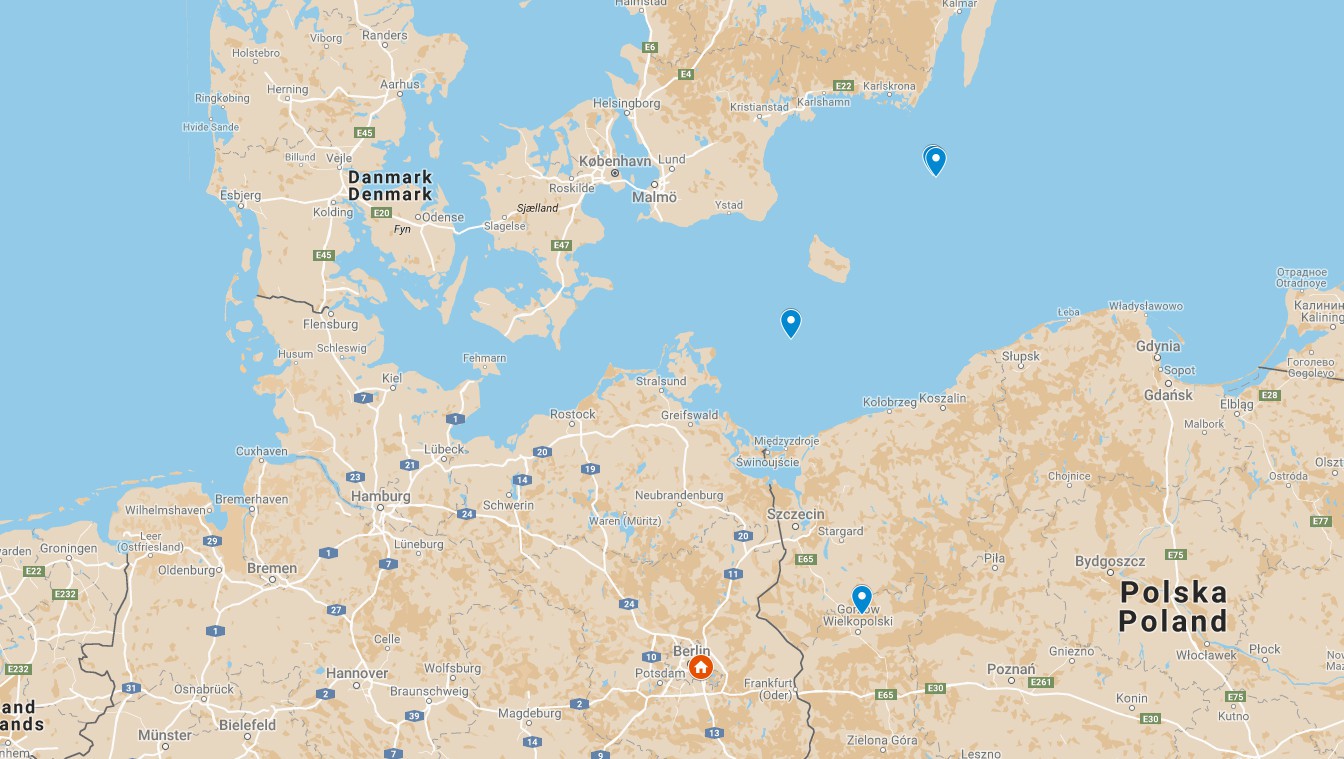 Both longitudes and latitudes quite far away from original place, but consider conditions where the measurement was done:
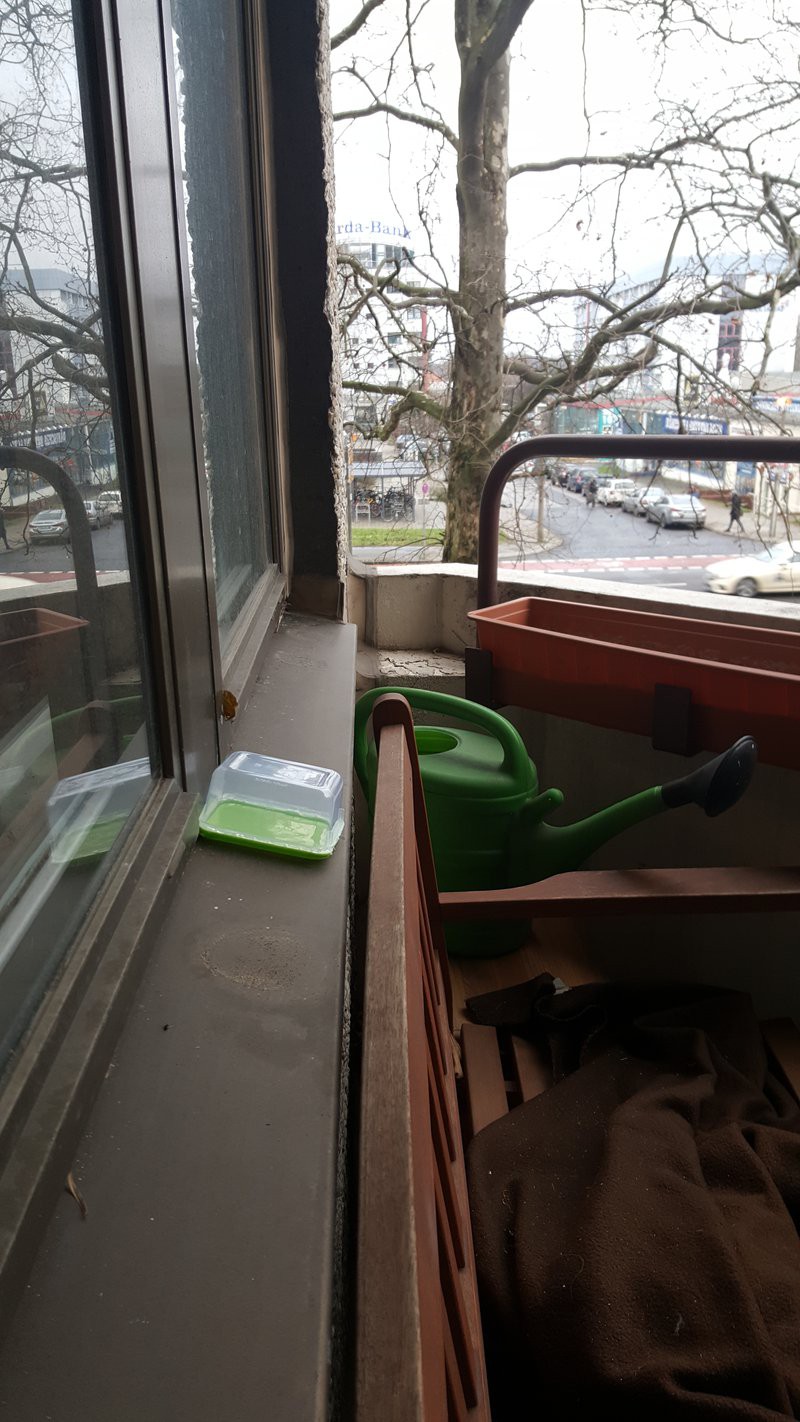 Not much of clear view to sky, majority of sky obstructed, tree just in way to Sun, all being rough conditions for light level geolocation; yet none of the results are laying in Africa or so. That is very valuable result. I like the watering can, too.
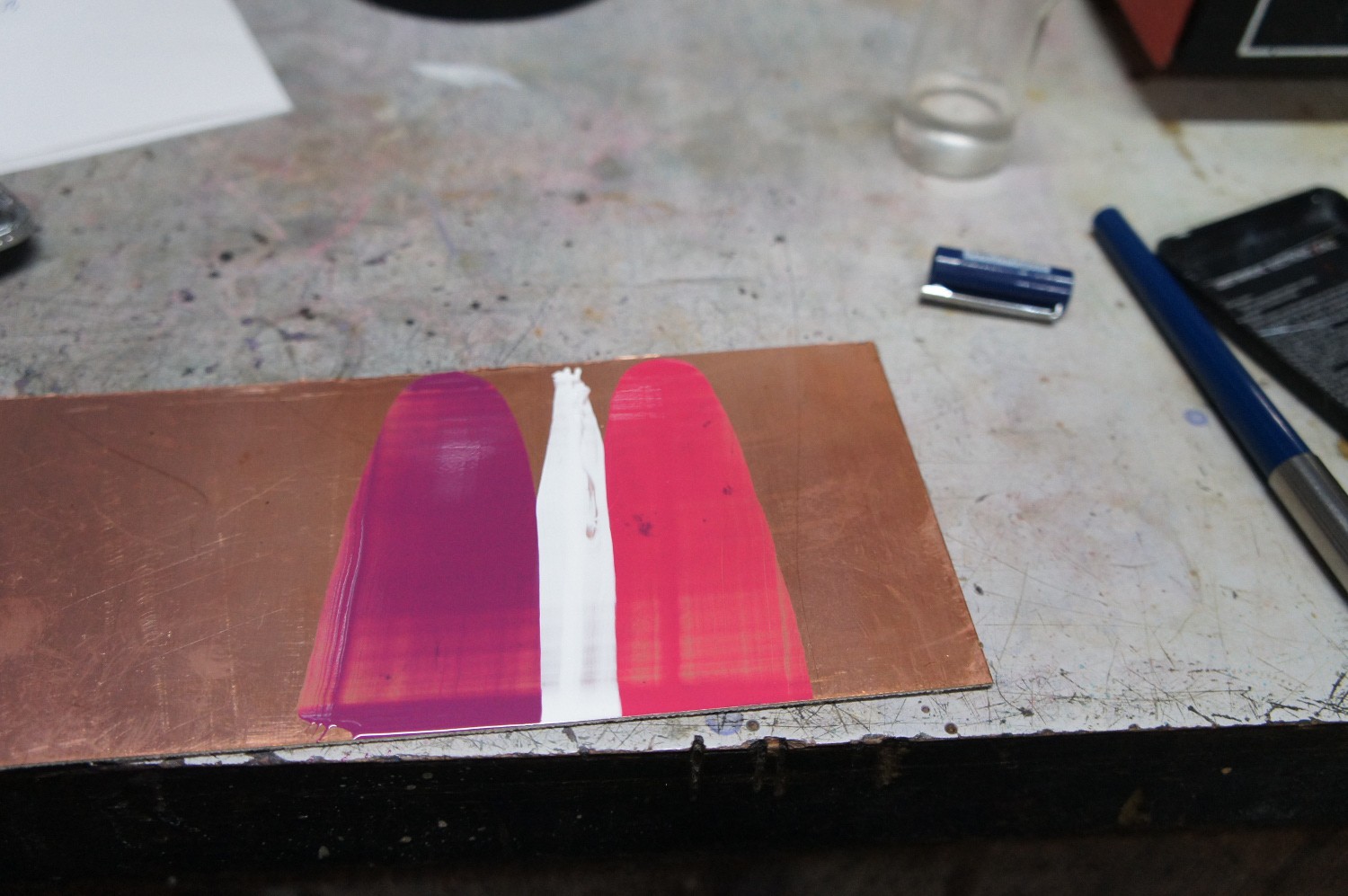 Here it is: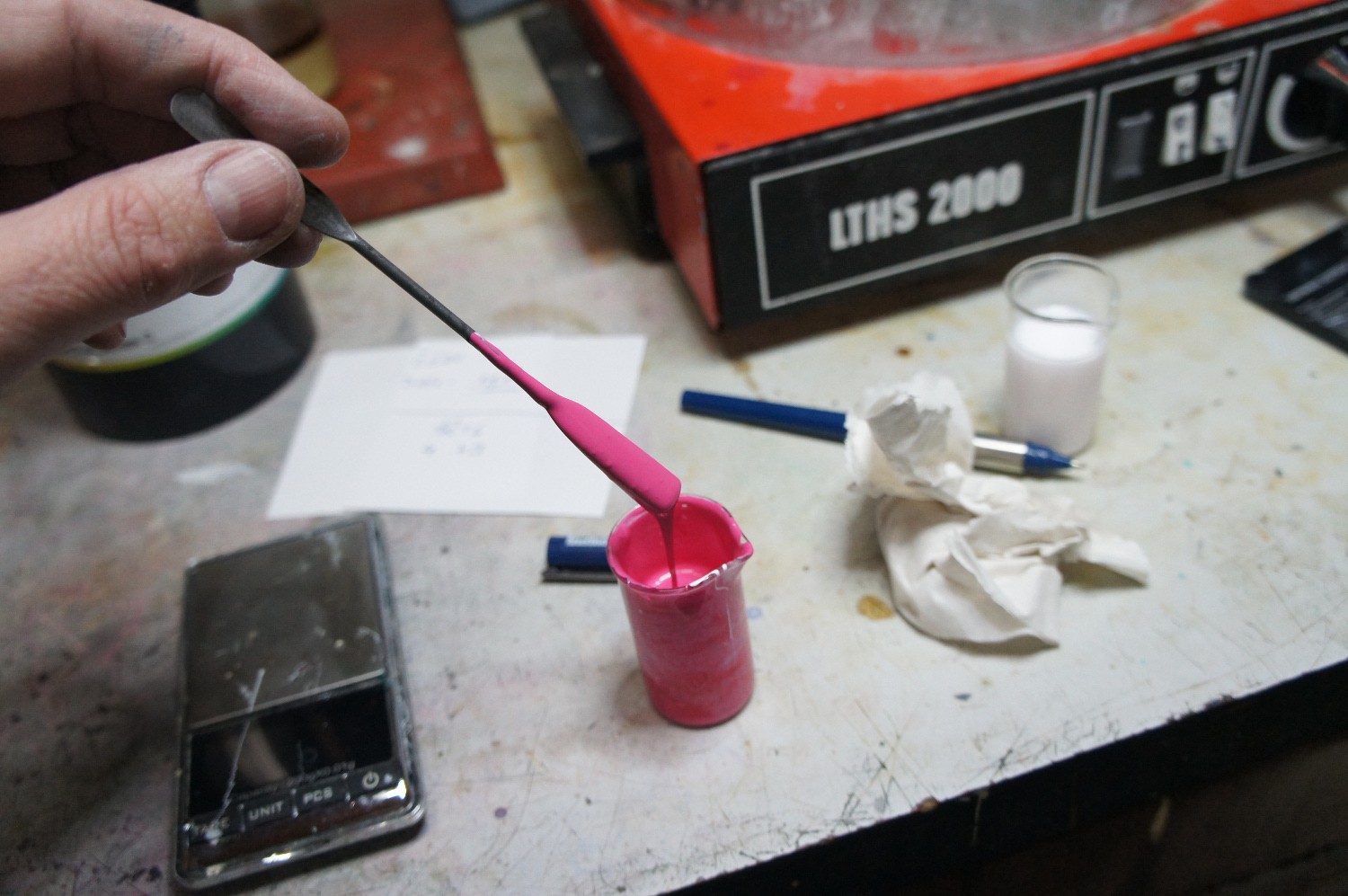
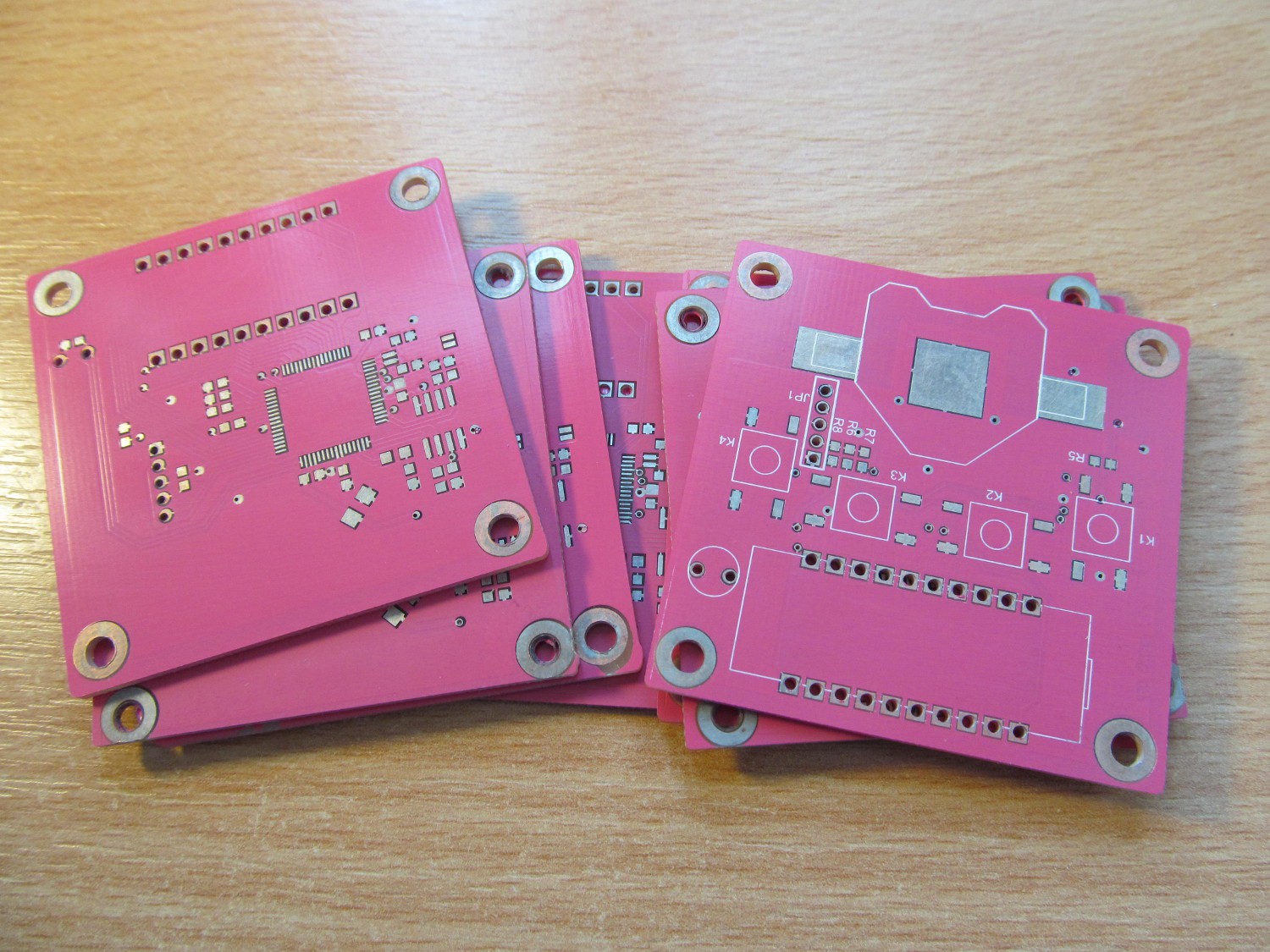
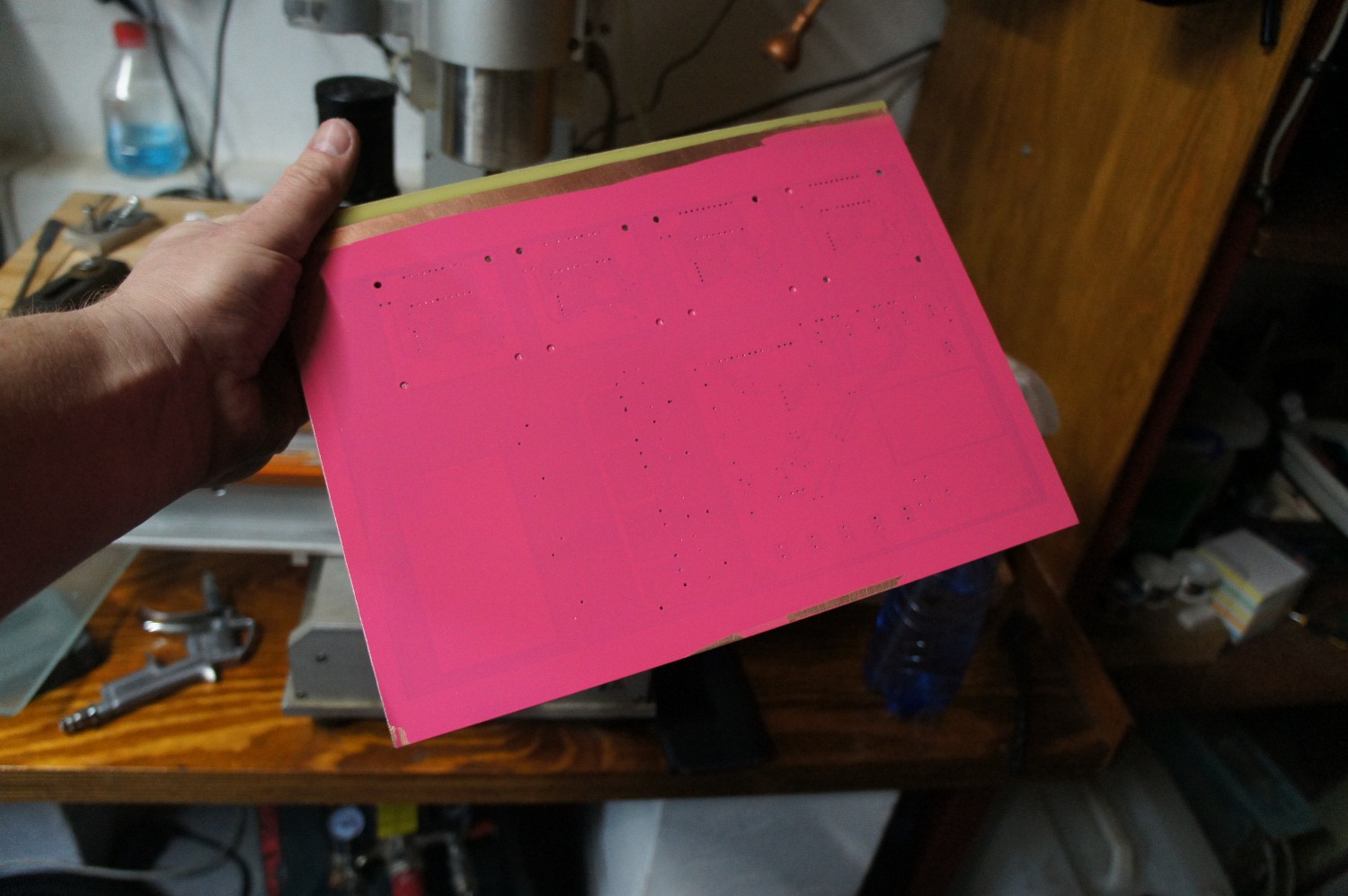 Soldermask etched away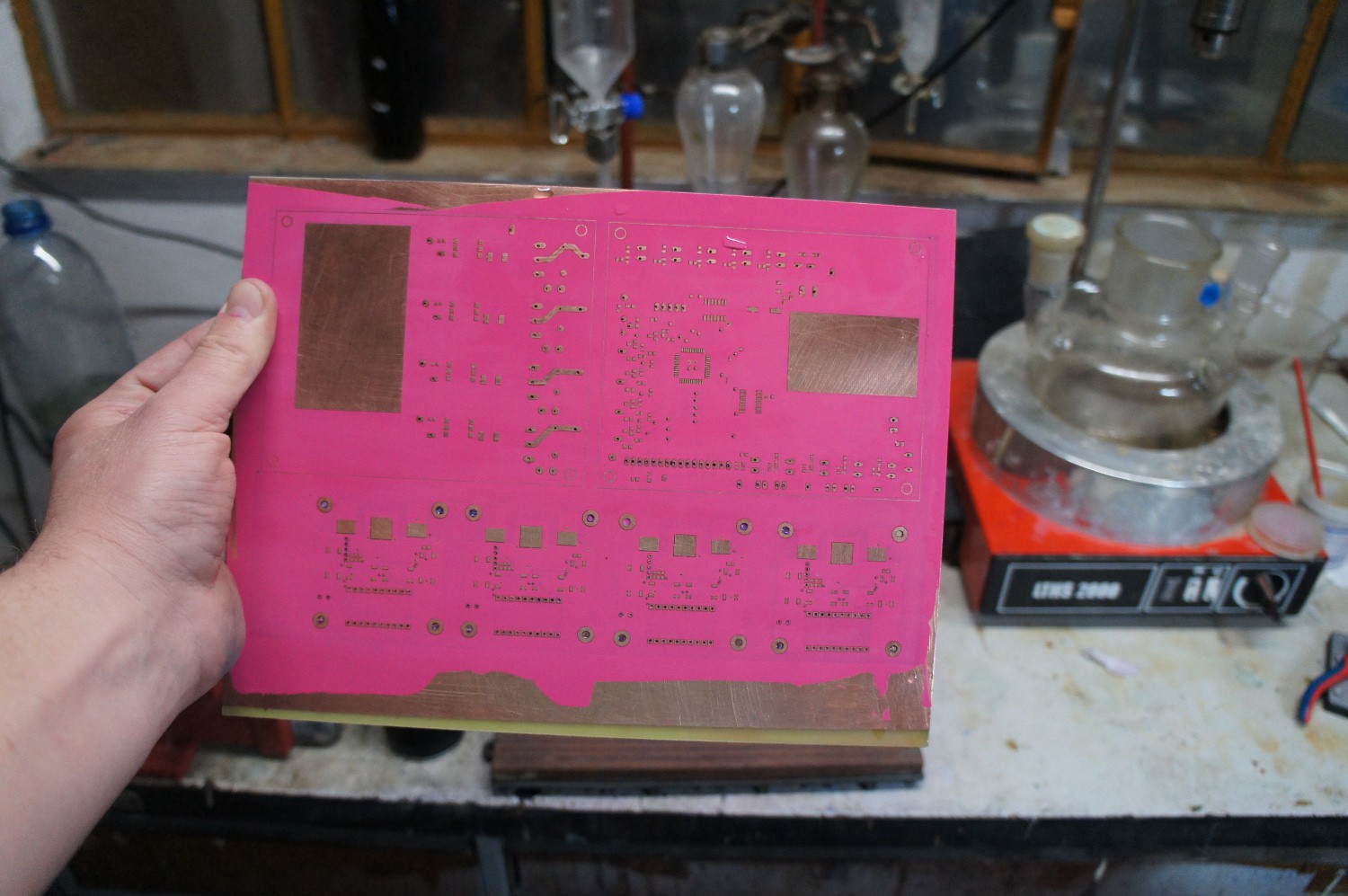
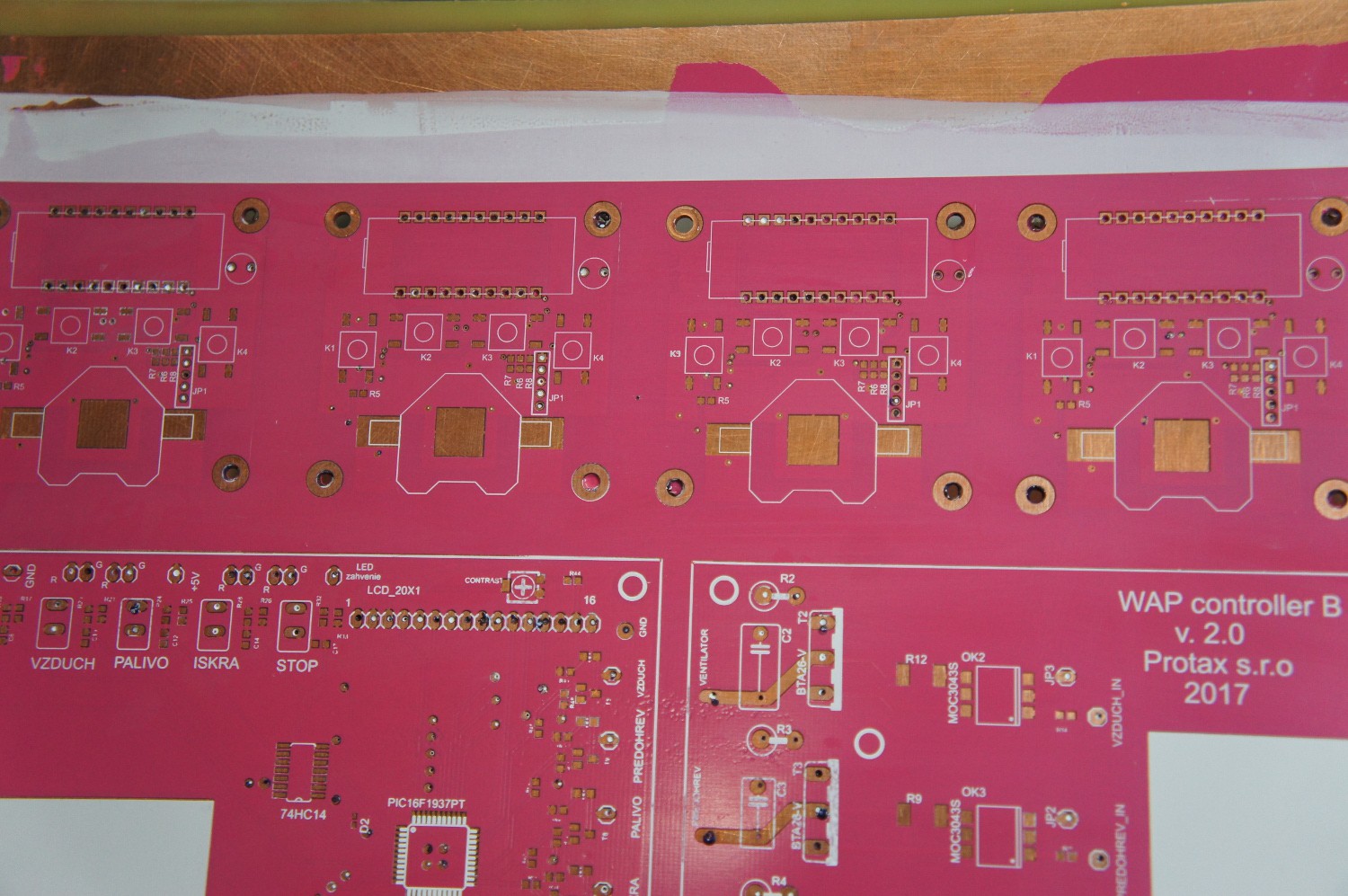
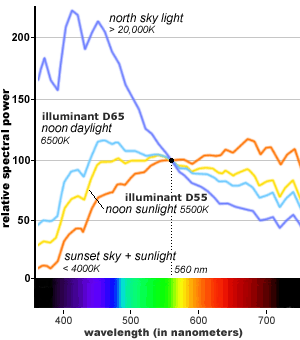
 By Jessie Eastland - Own work, CC BY-SA 4.0,
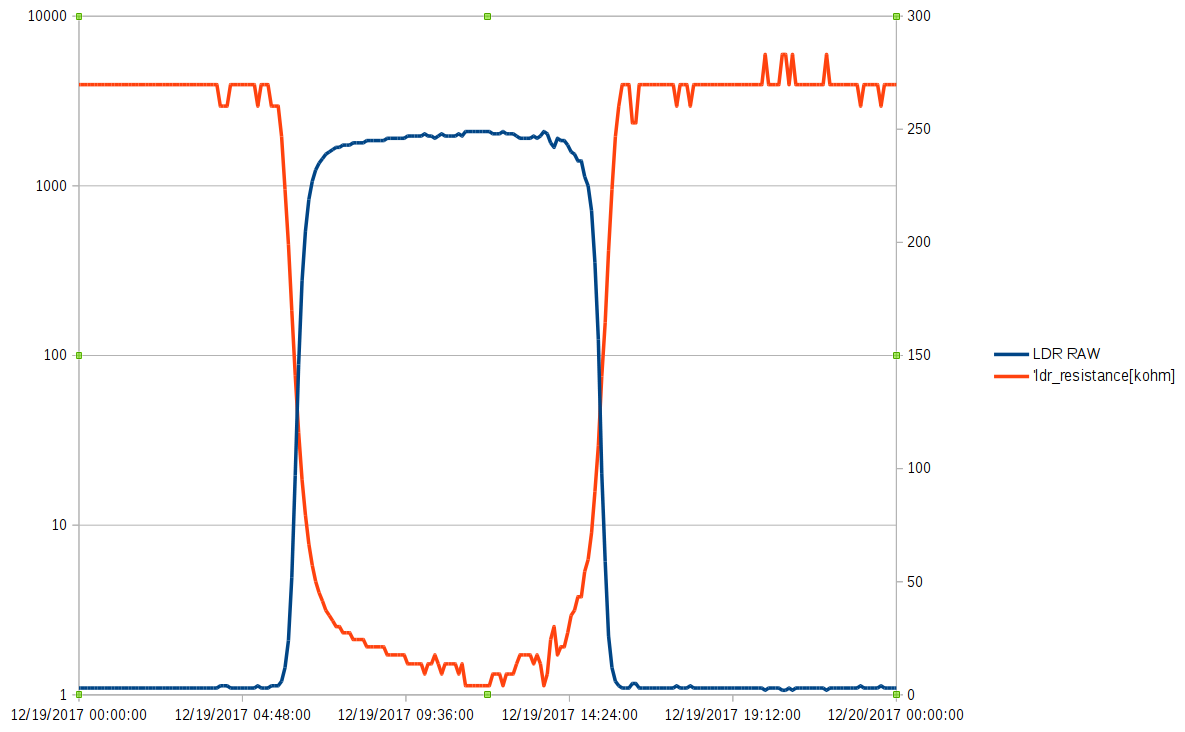
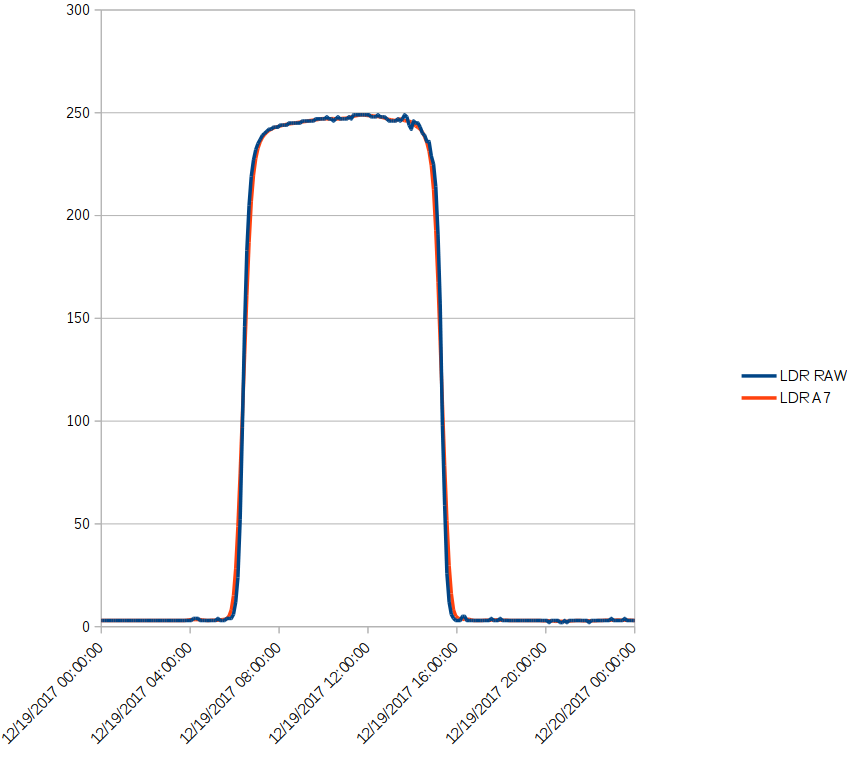
  I was curious about how much the measured light output will change with blue filter on LDR, so I removed photodiode, added another LDR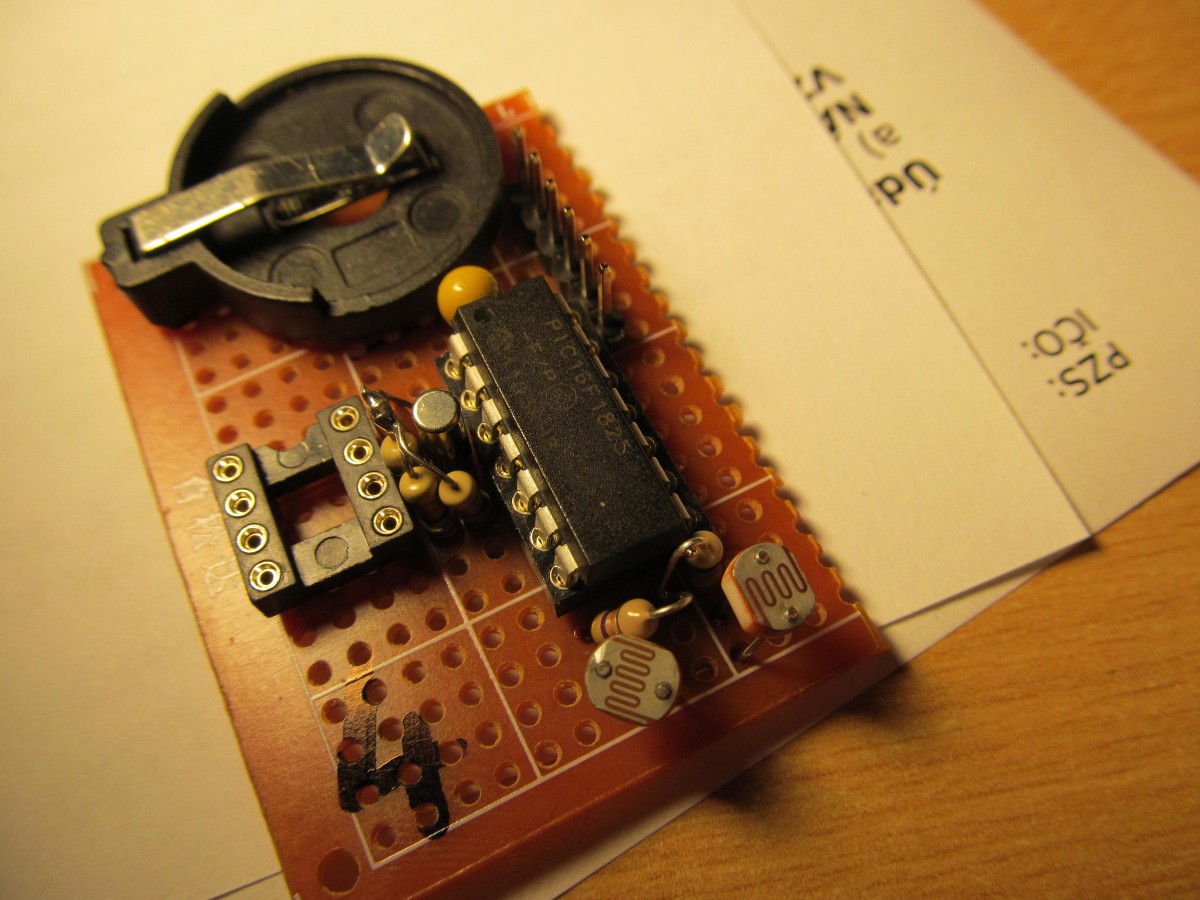
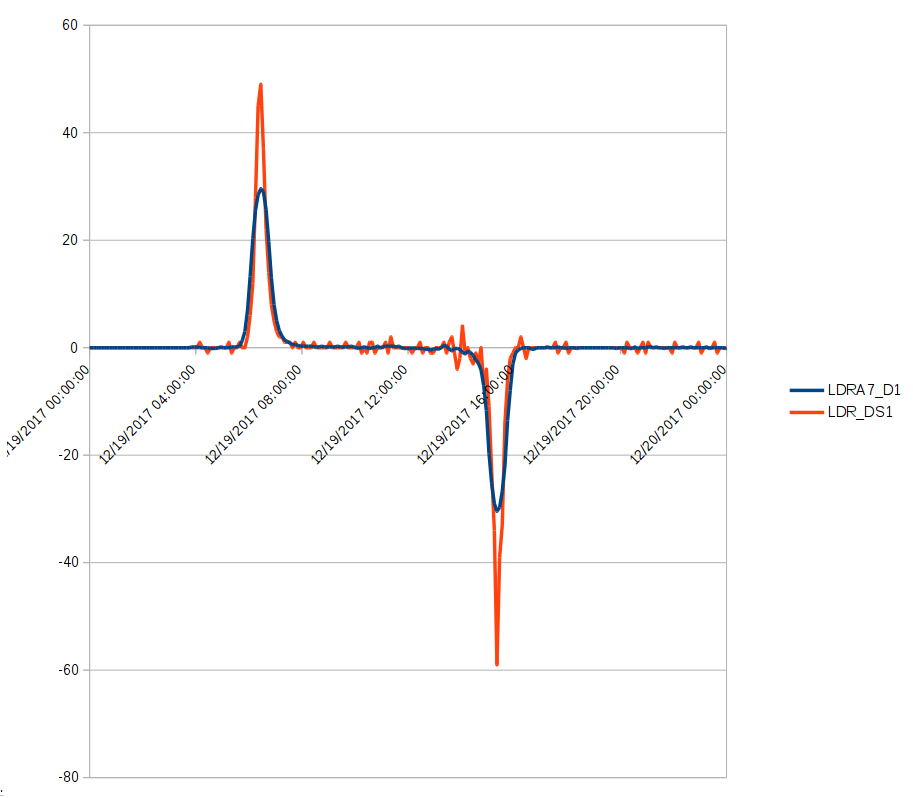
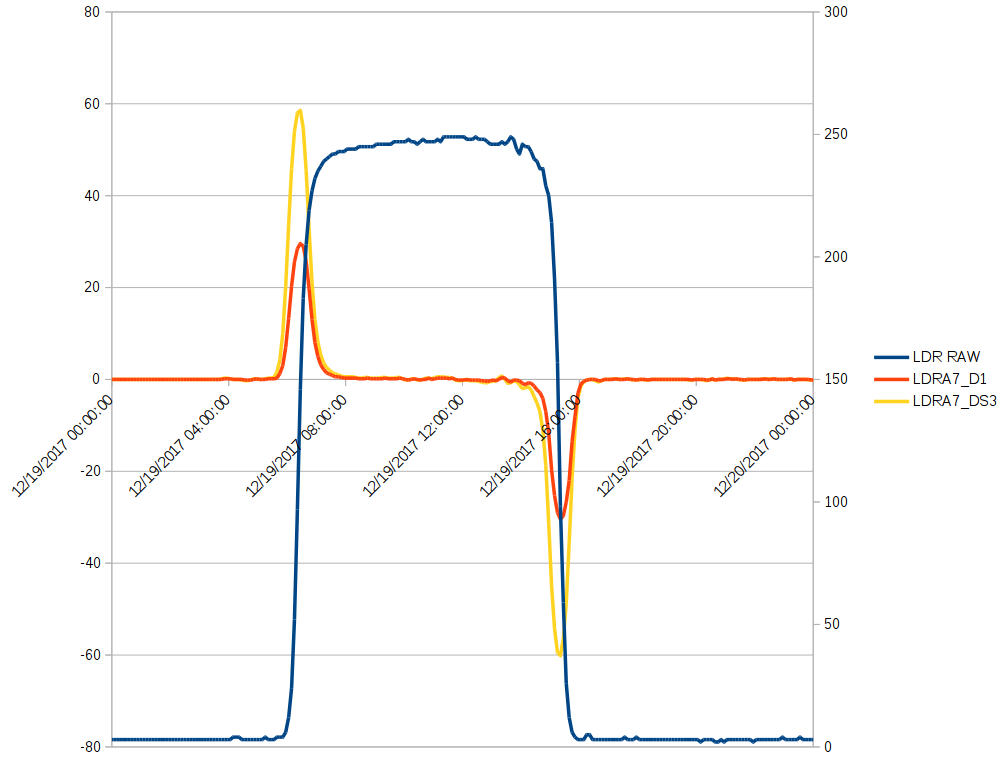
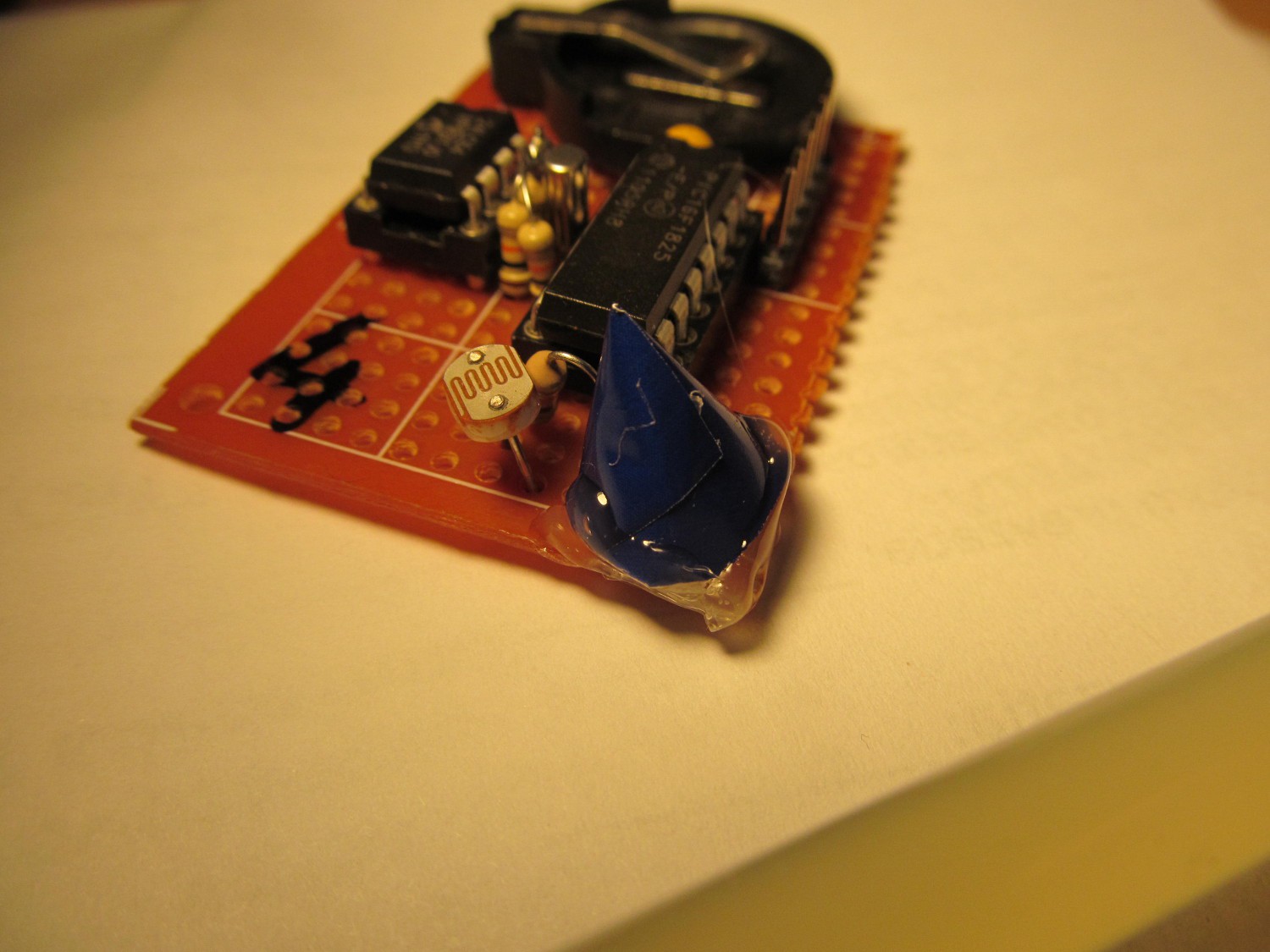 and let run for a few days. Here is the logs look like
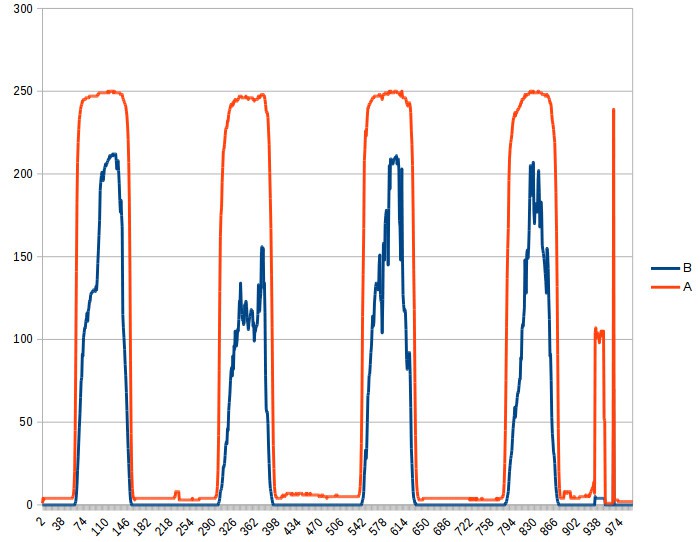 A is unmodified channel, B is blue channel. The output from blue channel is much lower, probably due to thick and opaque filter.
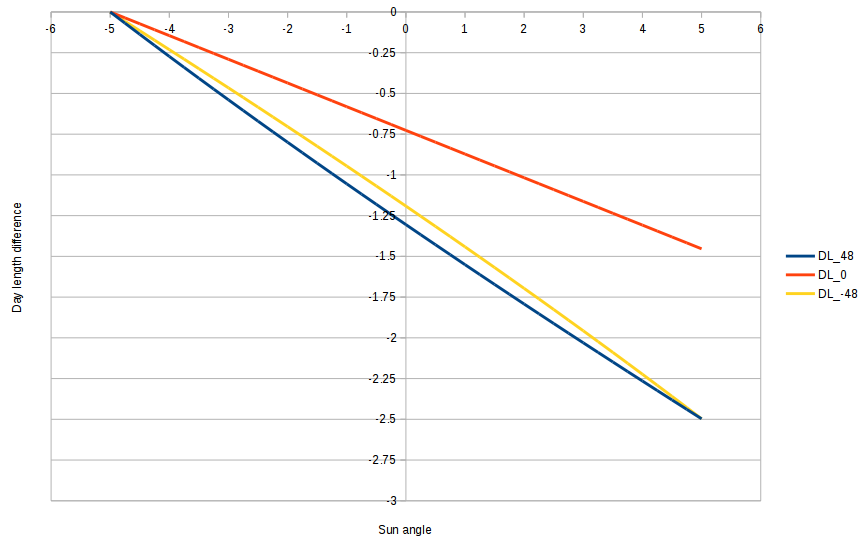
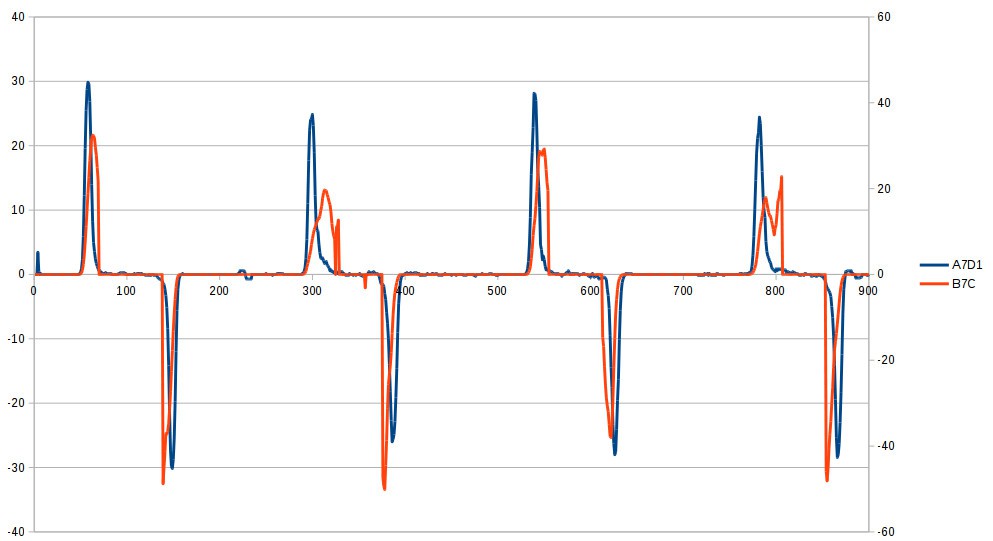 The advantage of detecting higher elevation angle may not be obvious, but it may help in increasing accuracy of geolocation by eliminating a lot of light level distortion due to obstacles in light path on horizon (mountains, trees, man-made objects) and partially weather.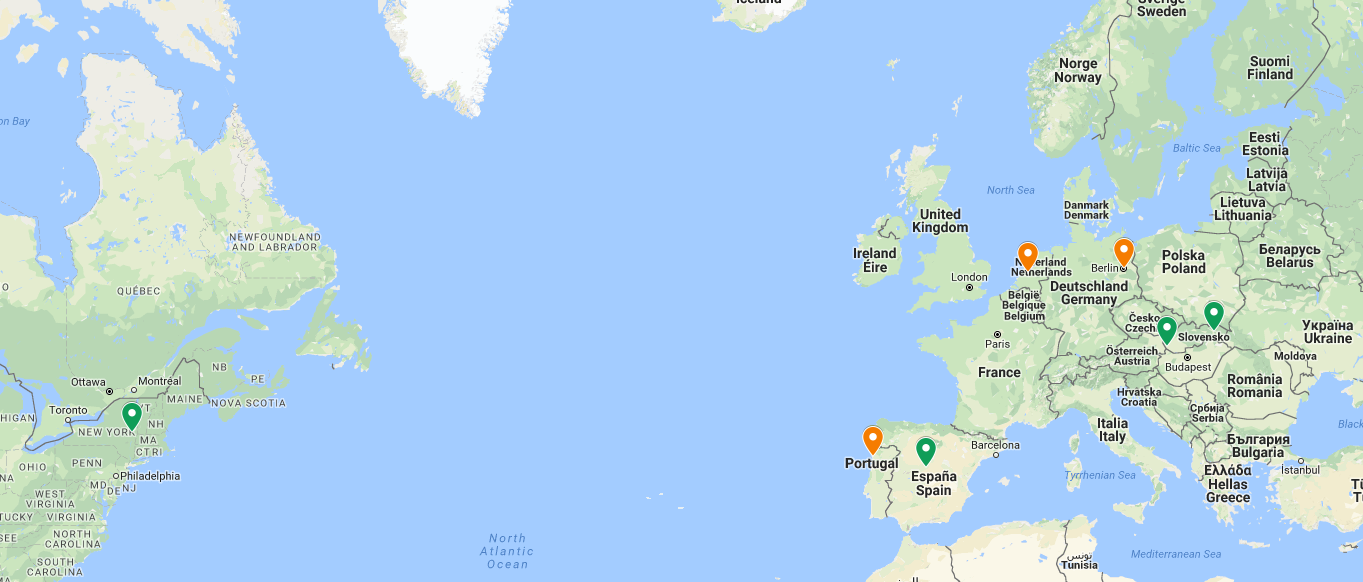







 Rusty Jehangir
 David Cook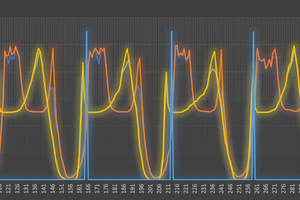
 Simon Merrett
 jan.marcinowski
Its very interesting to see this project that you shared here I am also working on a similar type of project you can see here lumenauthority website.