 BLANCHARD Jordan

Motivation:
Through a telescope, many deep-sky objects appear as faint gray smudges. Electronic eyepieces exist to boost brightness, but they’re often prohibitively expensive.
My approach was to make something DIY, modular, and low-cost that still provides real-time amplification, without requiring complex computers or long-exposure astrophotography rigs.
How It Works:
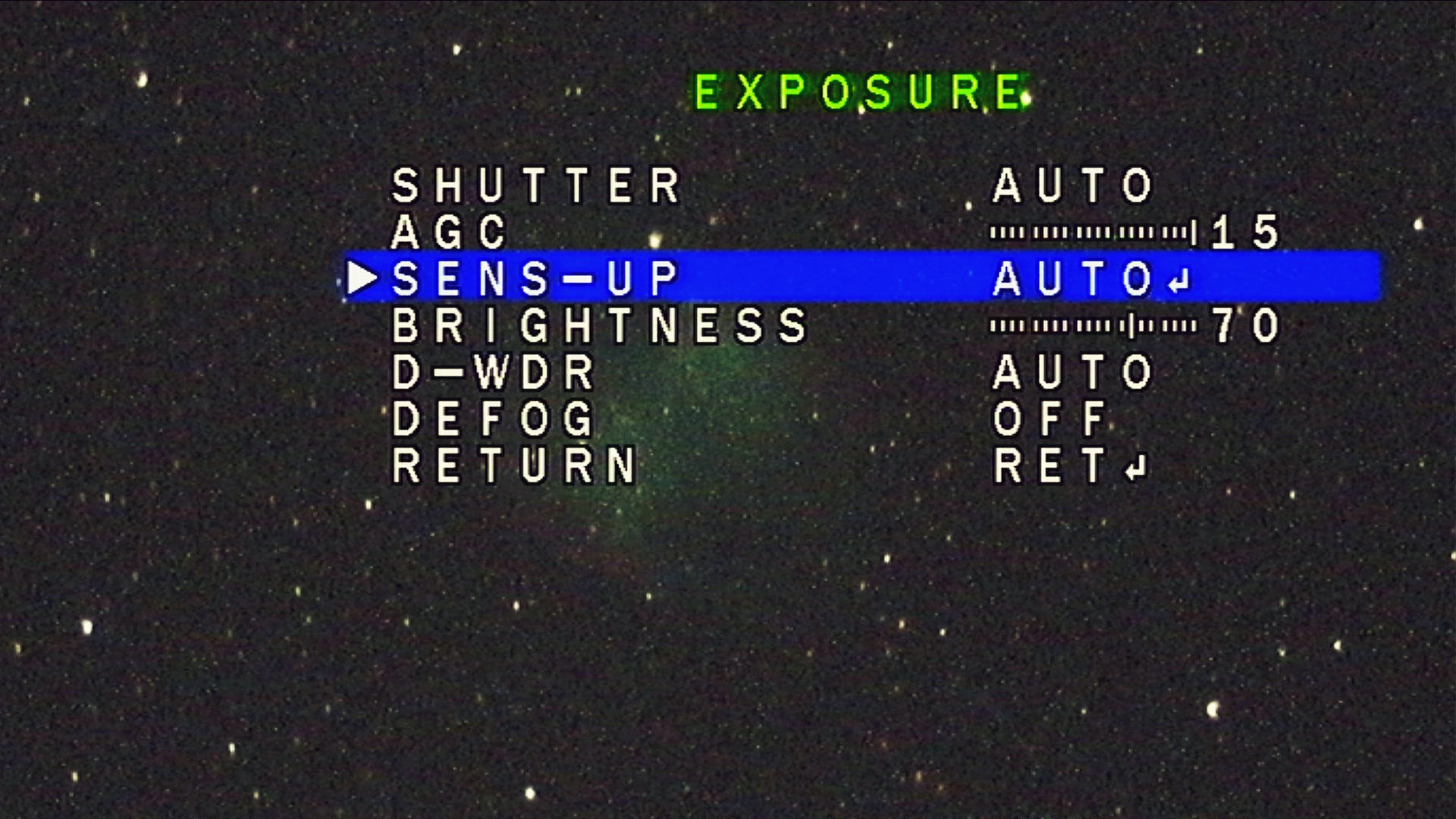
Instead of a computer with long exposure astro-camera, this project takes advantage of a high-sensitivity analog video camera with a built-in Starlight / Sens-Up mode. This feature extends the exposure time up to ~1.2 seconds (1/25s × 30 boost) with high gain, making faint details visible directly in the video signal:

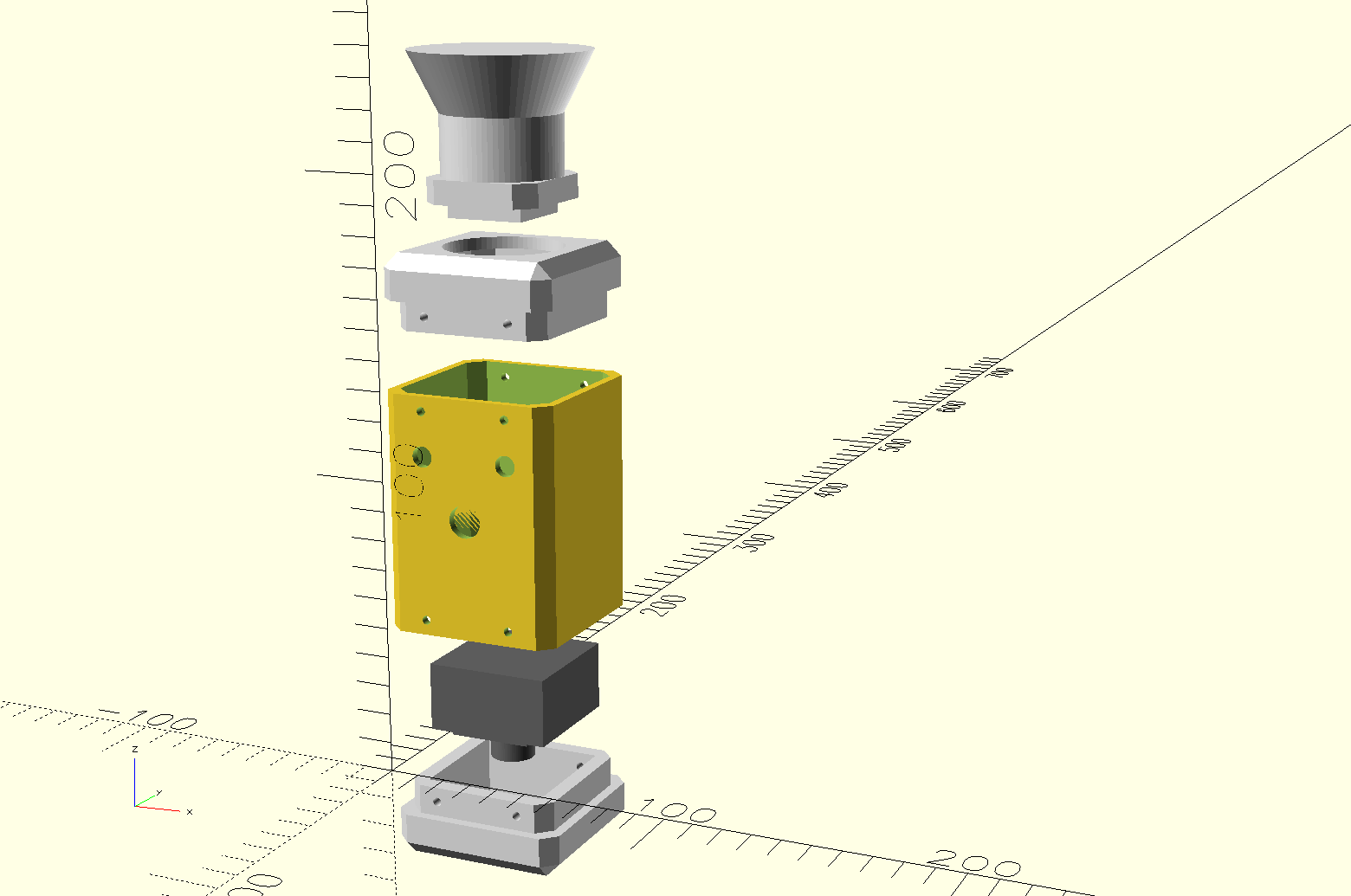
The components are assembled into a 3D-printed housing shaped like an eyepiece, with an electronic viewfinder inside. The result: drop it in your focuser, and you’re effectively looking through a “night-vision” eyepiece.
You can also add a USB-C video capture module to record or stream the view on your smartphone.
Schematic (Editor URL here):

Components
-
High-sensitivity video camera (Starlight / Sens-Up, 1.2s exposure, OSD control buttons):
AliExpress link -
USB-C video capture module:
AliExpress link -
Electronic viewfinder with video input:
AliExpress link -
3D-printed enclosure for a standard 1.25" focuser ( Printables link ).
Results
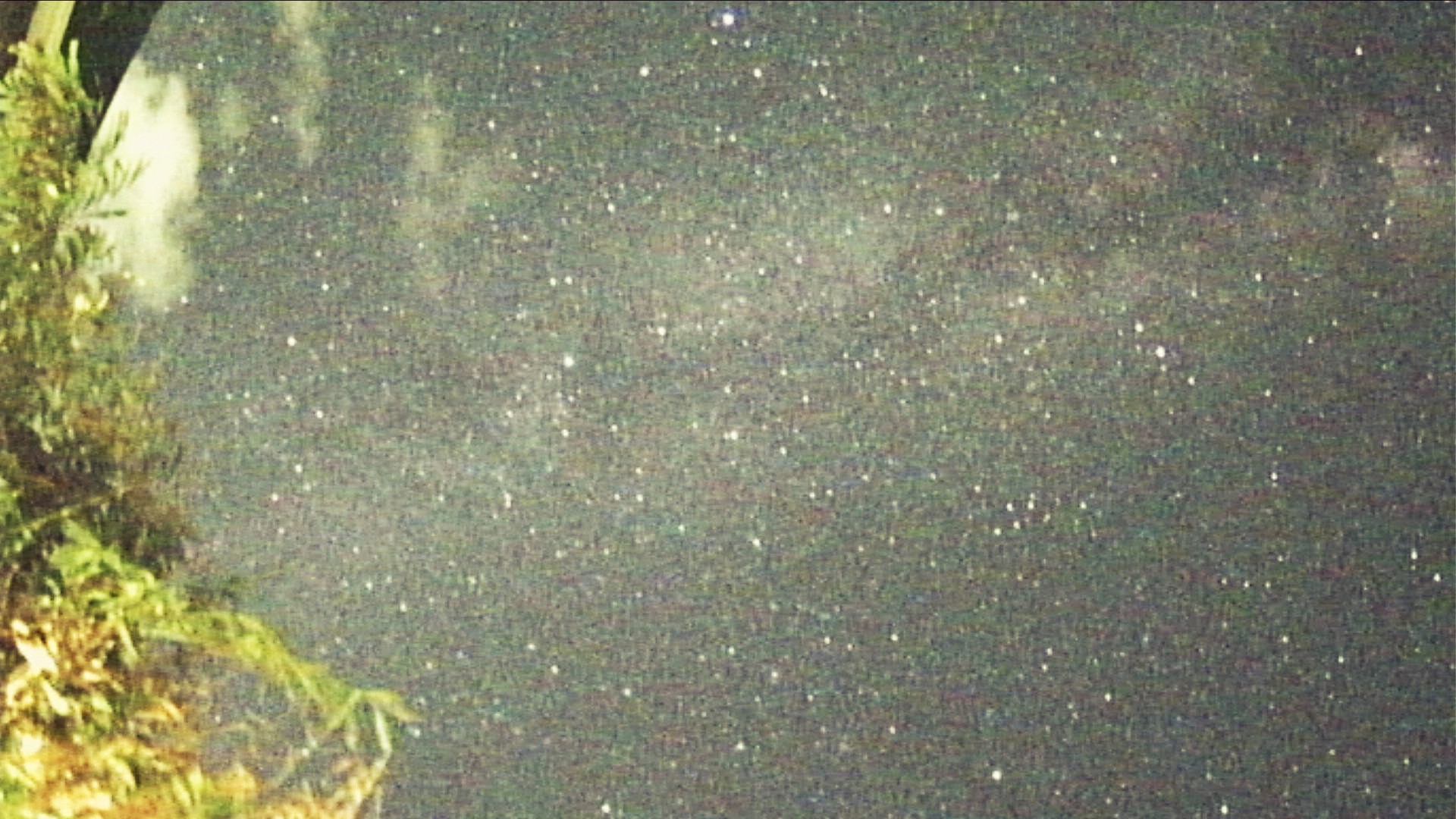
With this setup, nebulae and faint galaxies become noticeably brighter compared to direct visual observation. It’s not as powerful as a dedicated cooled astro-camera, but it massively improves live observing at a fraction of the cost.
You can either:
-
View objects directly through the built-in electronic eyepiece.
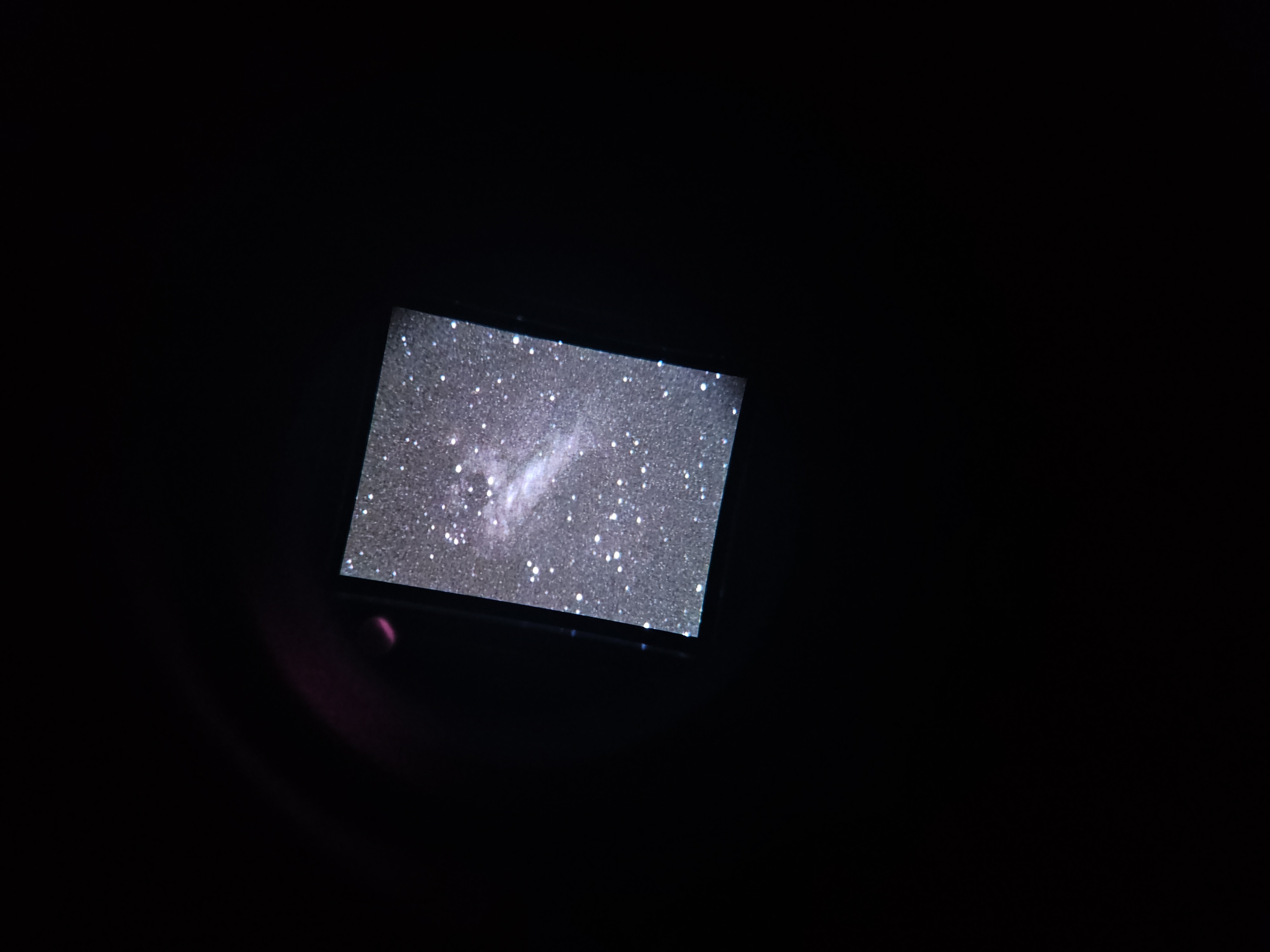
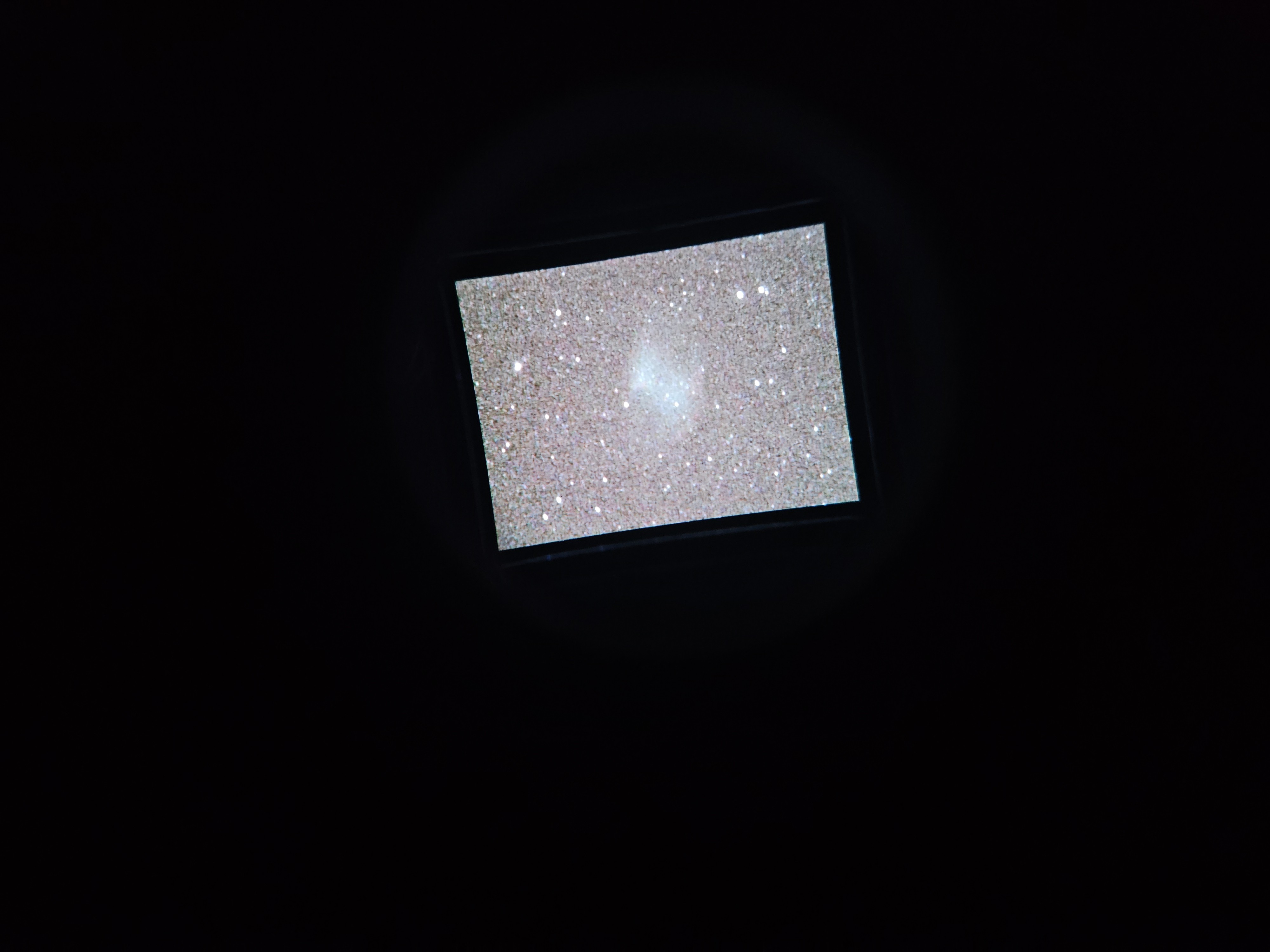

Record or livestream the video signal using a smartphone + USB-C capture.
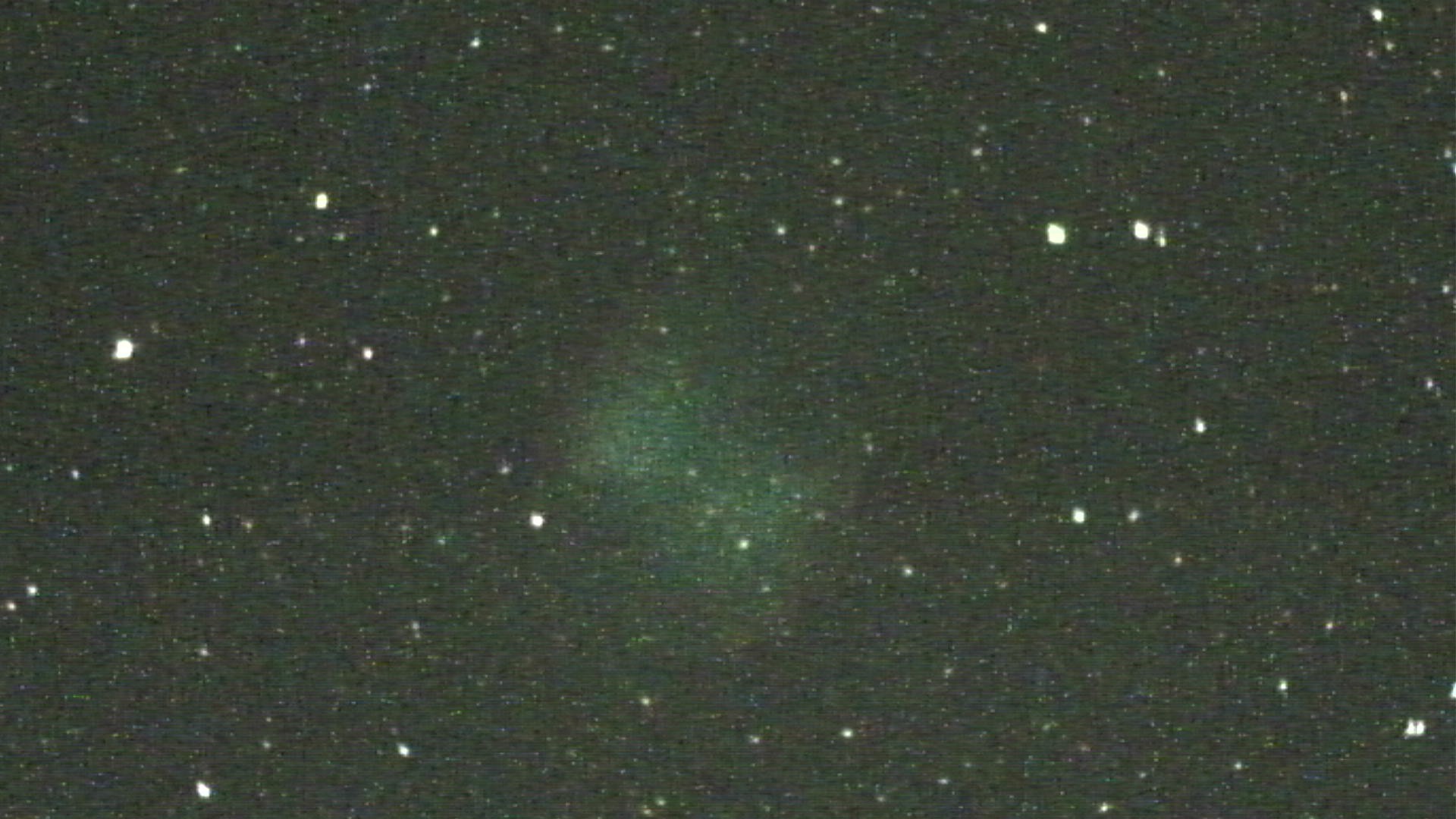
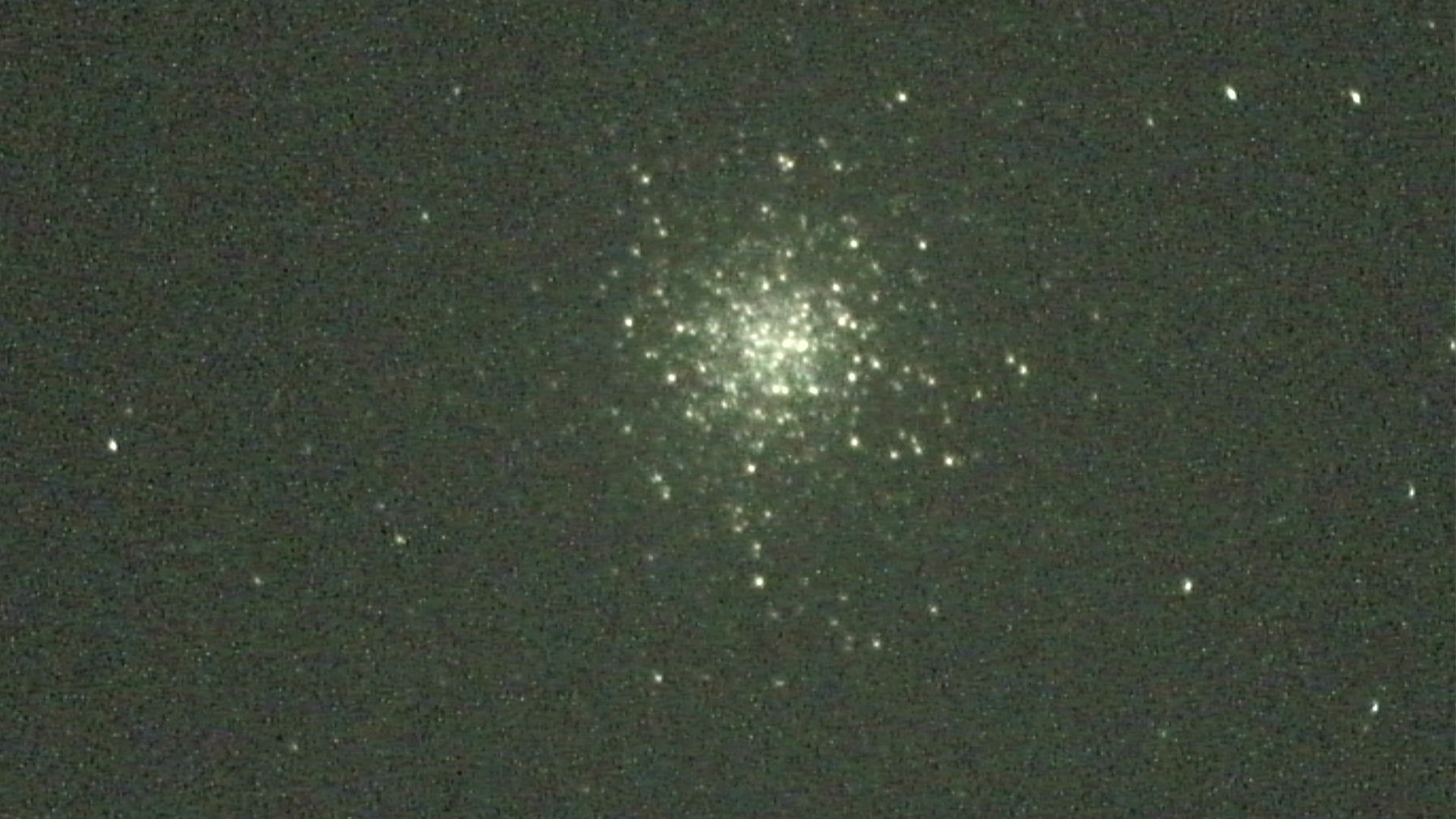
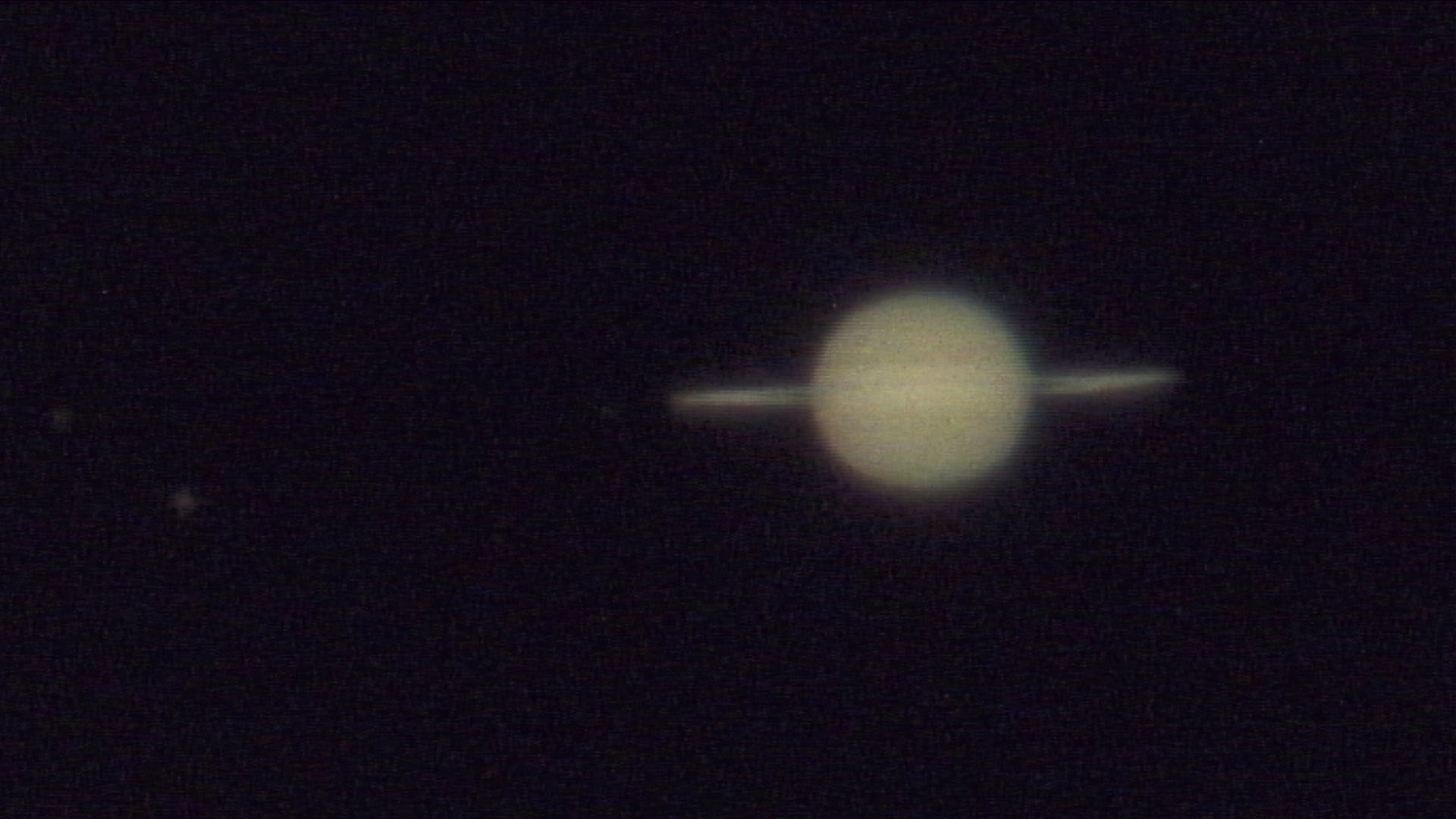

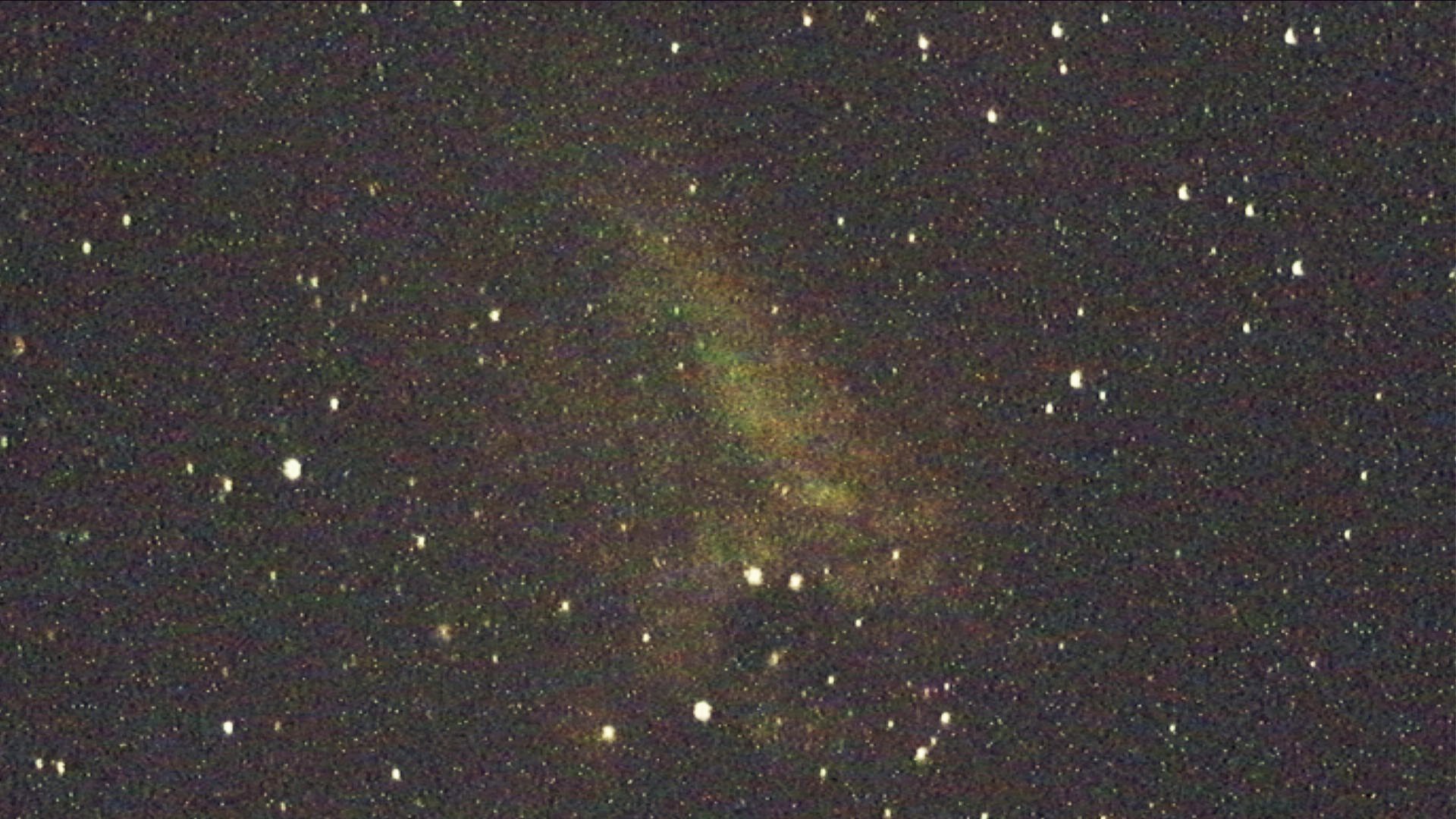
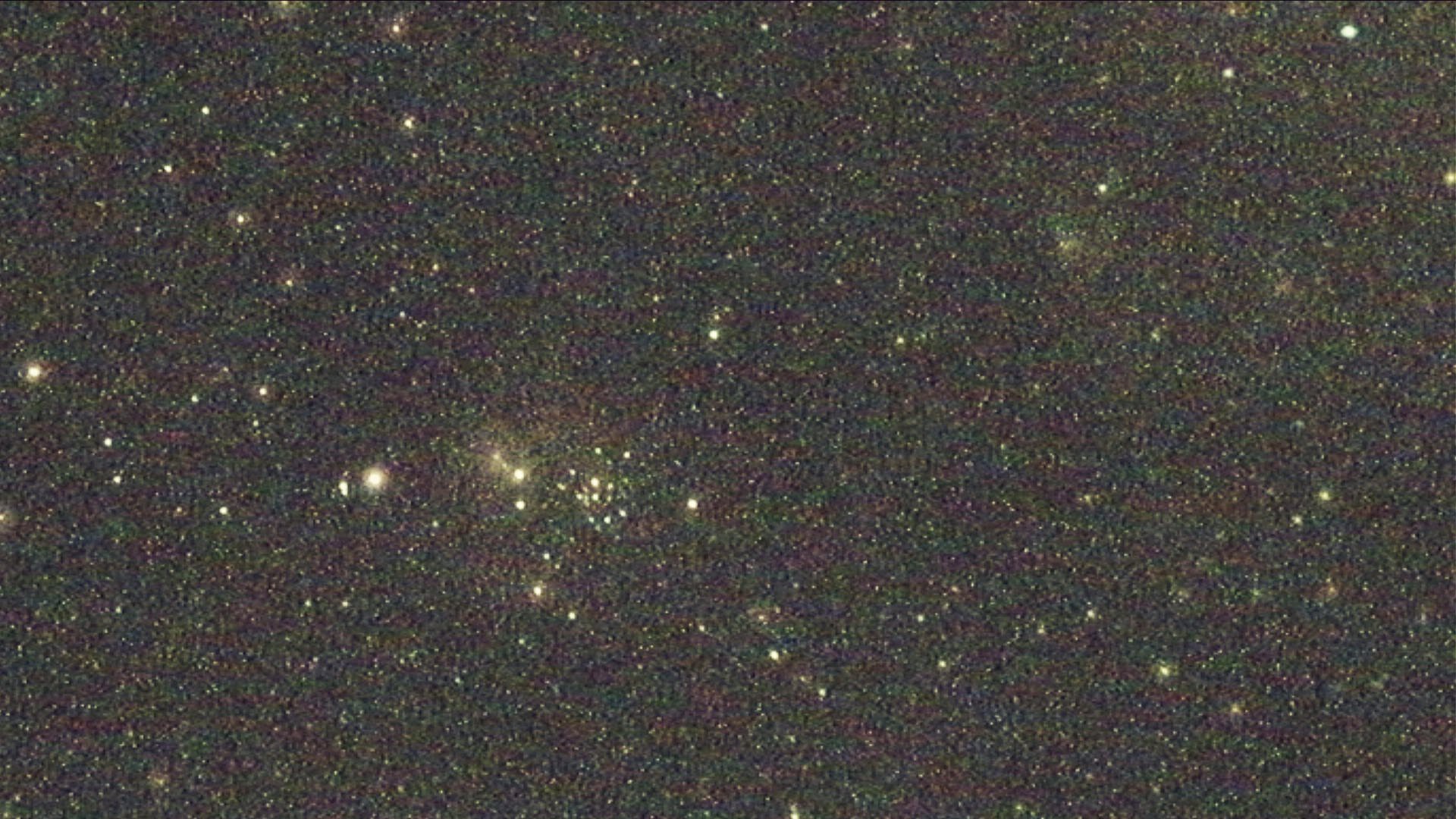
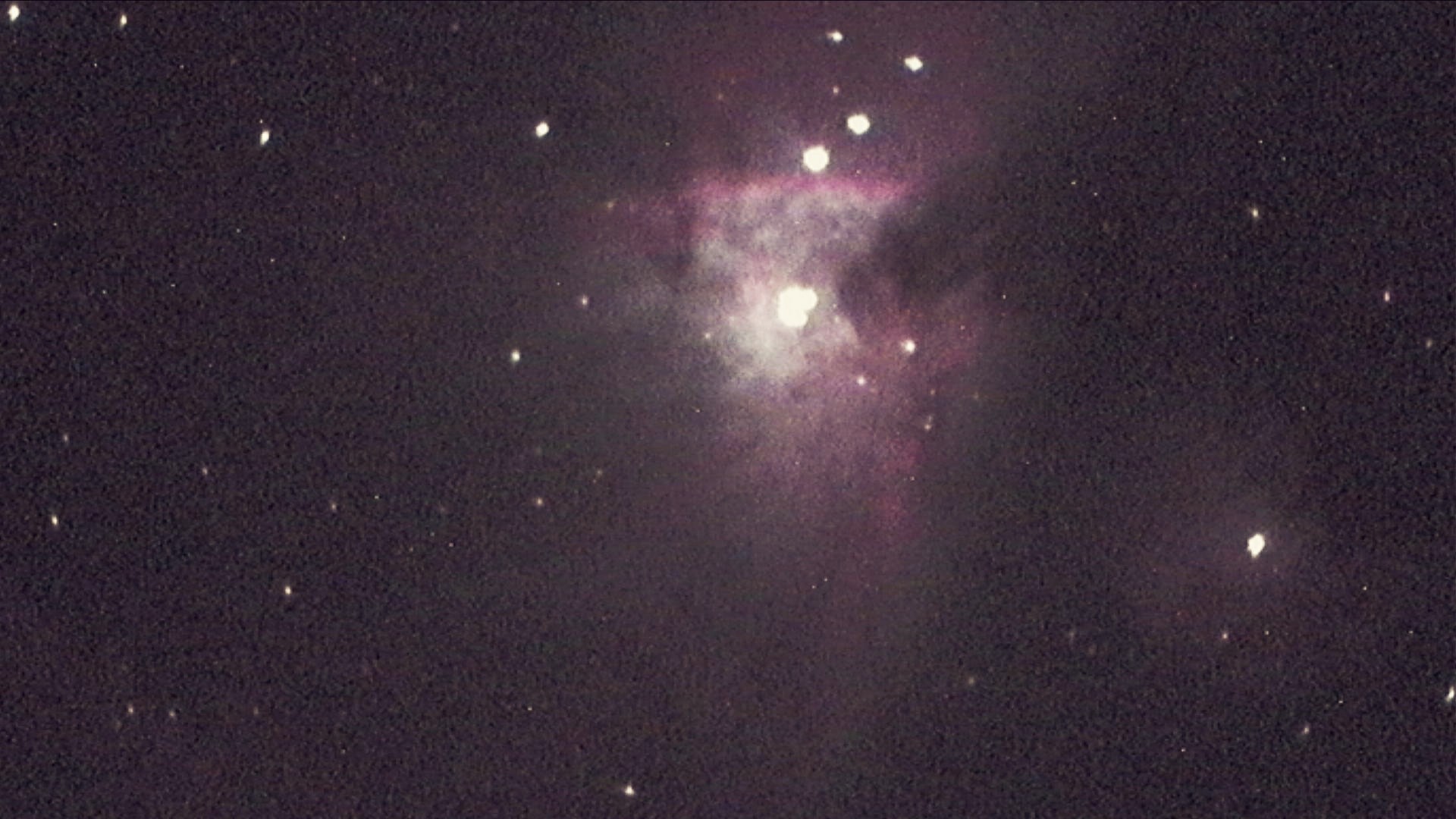
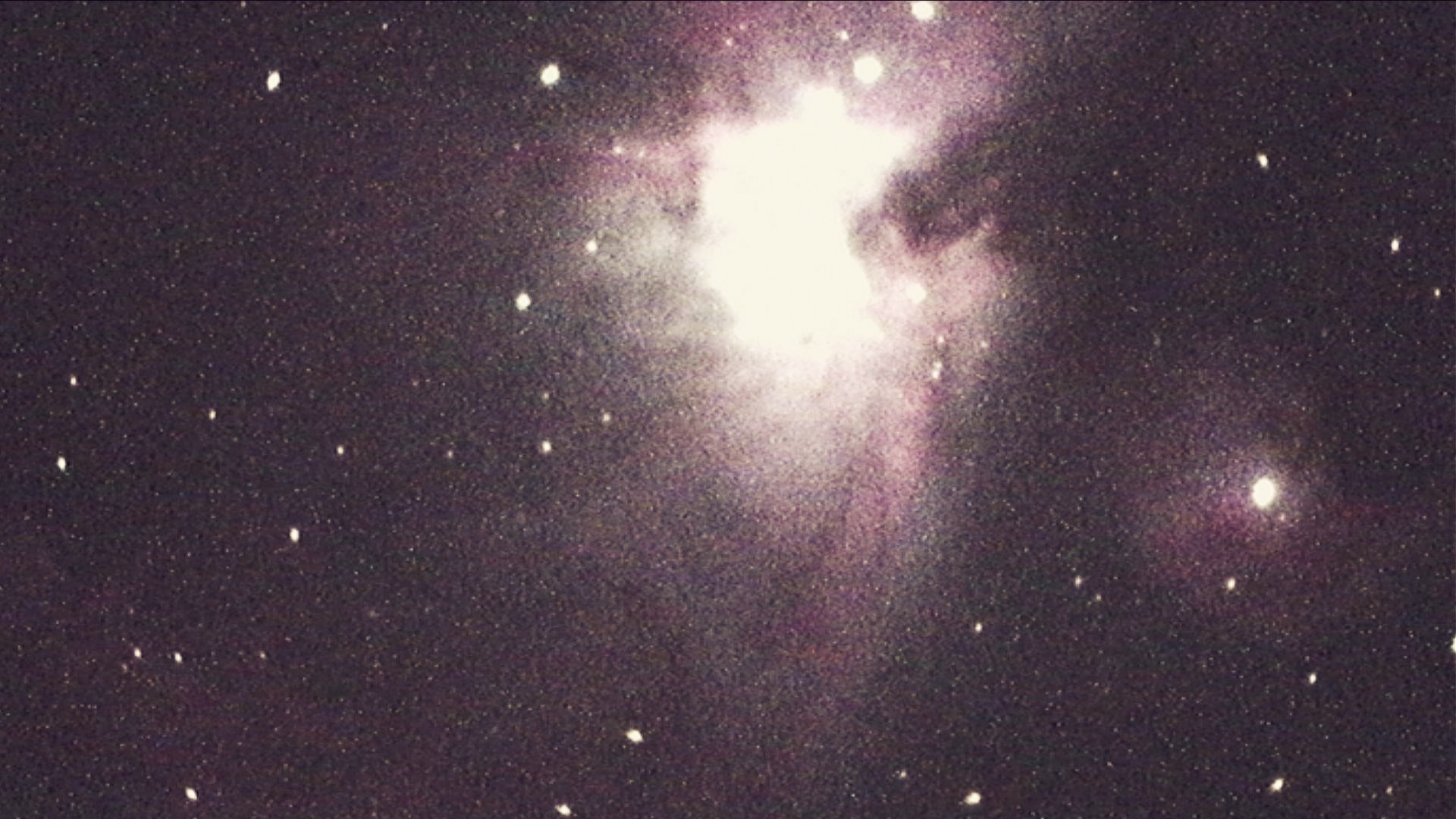
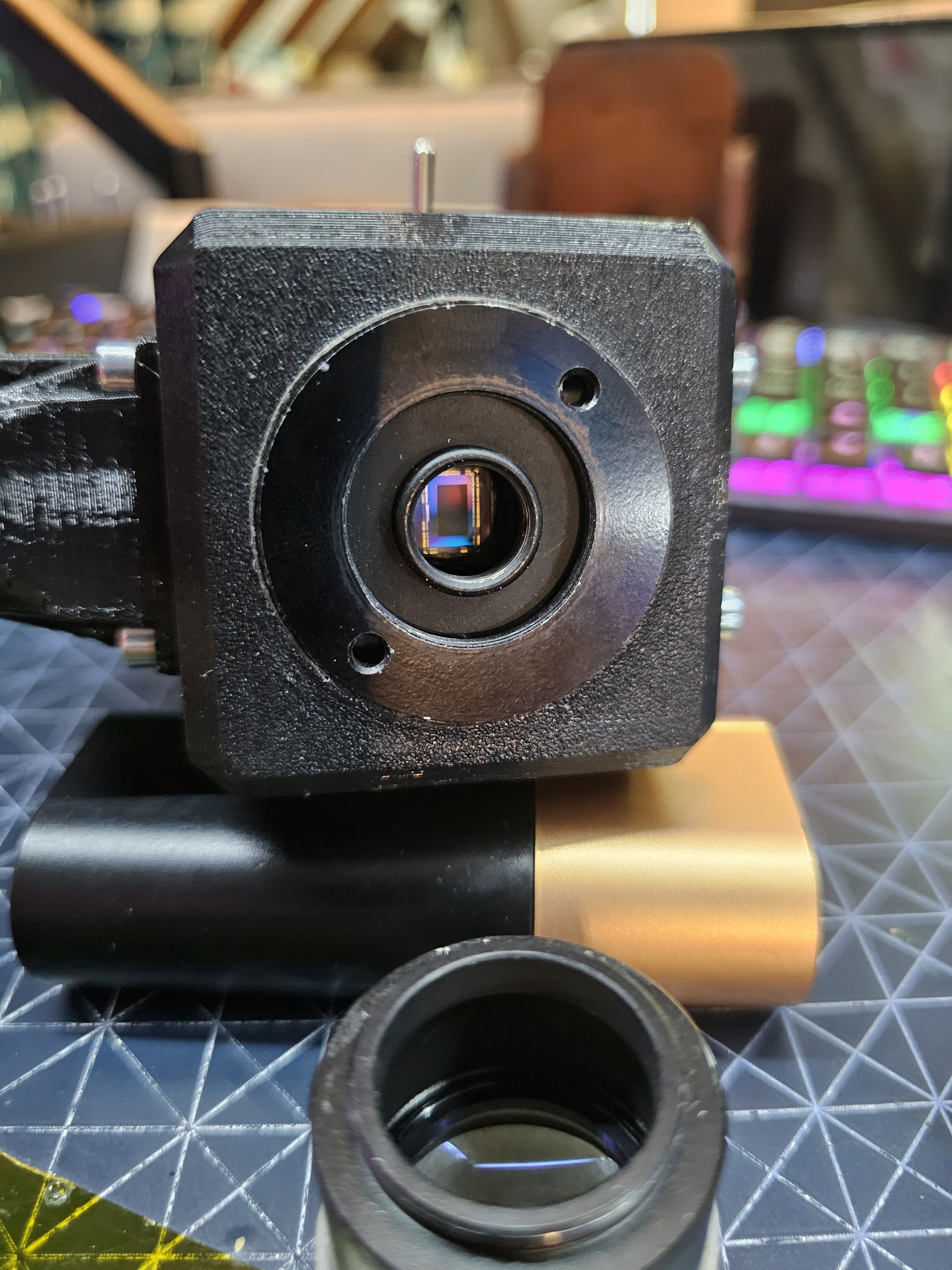
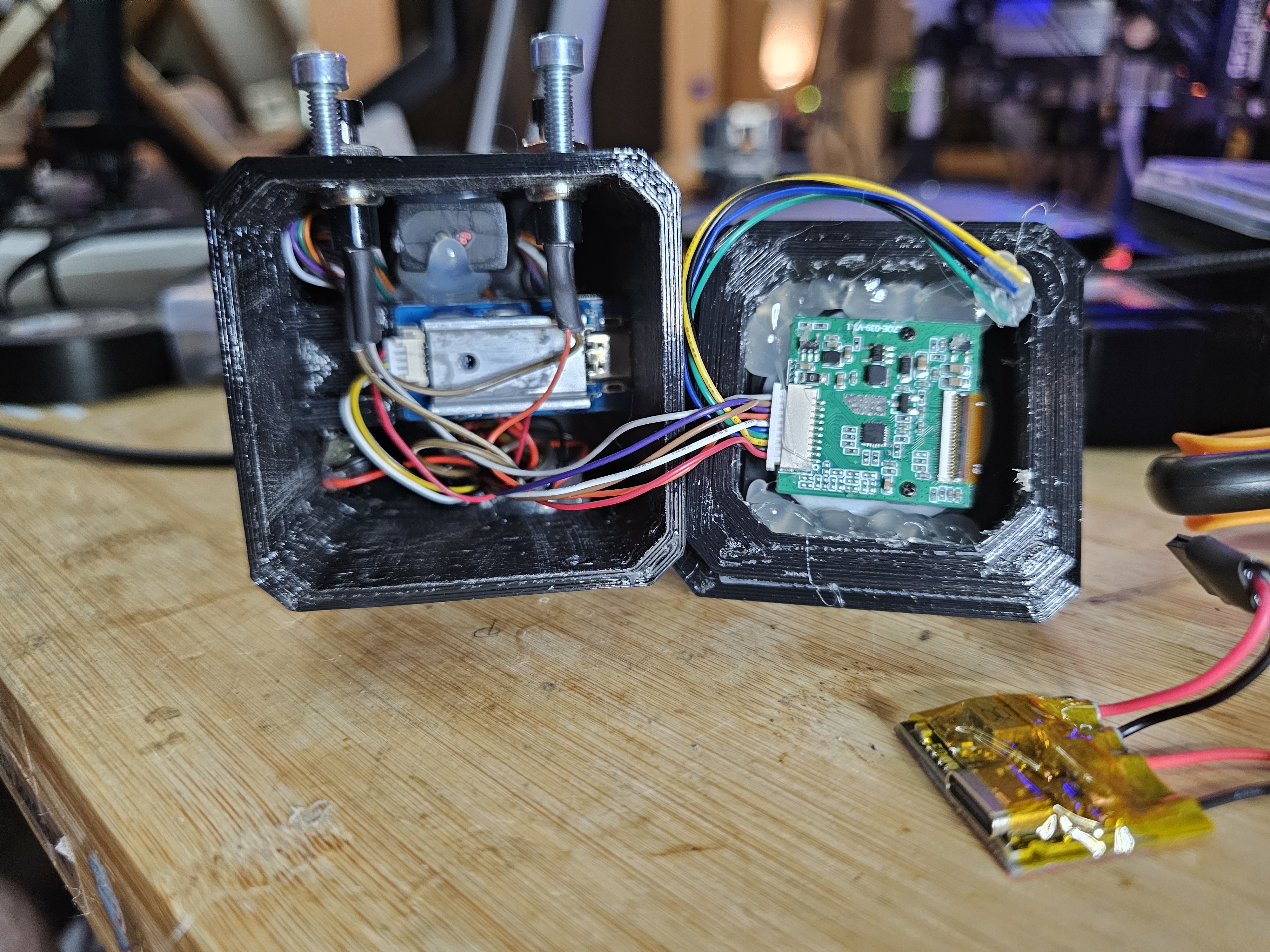
Here are some pictures of the construction:

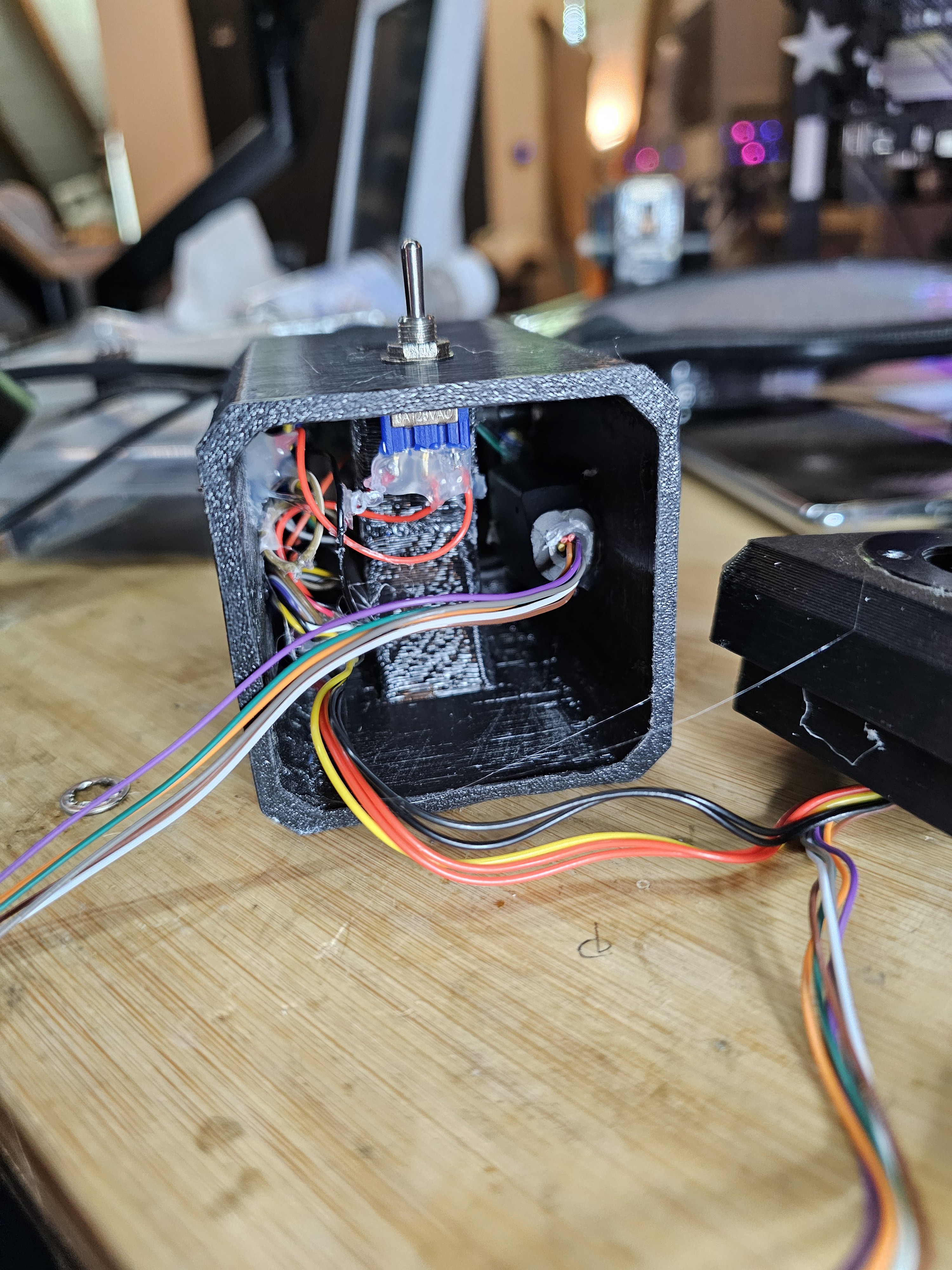


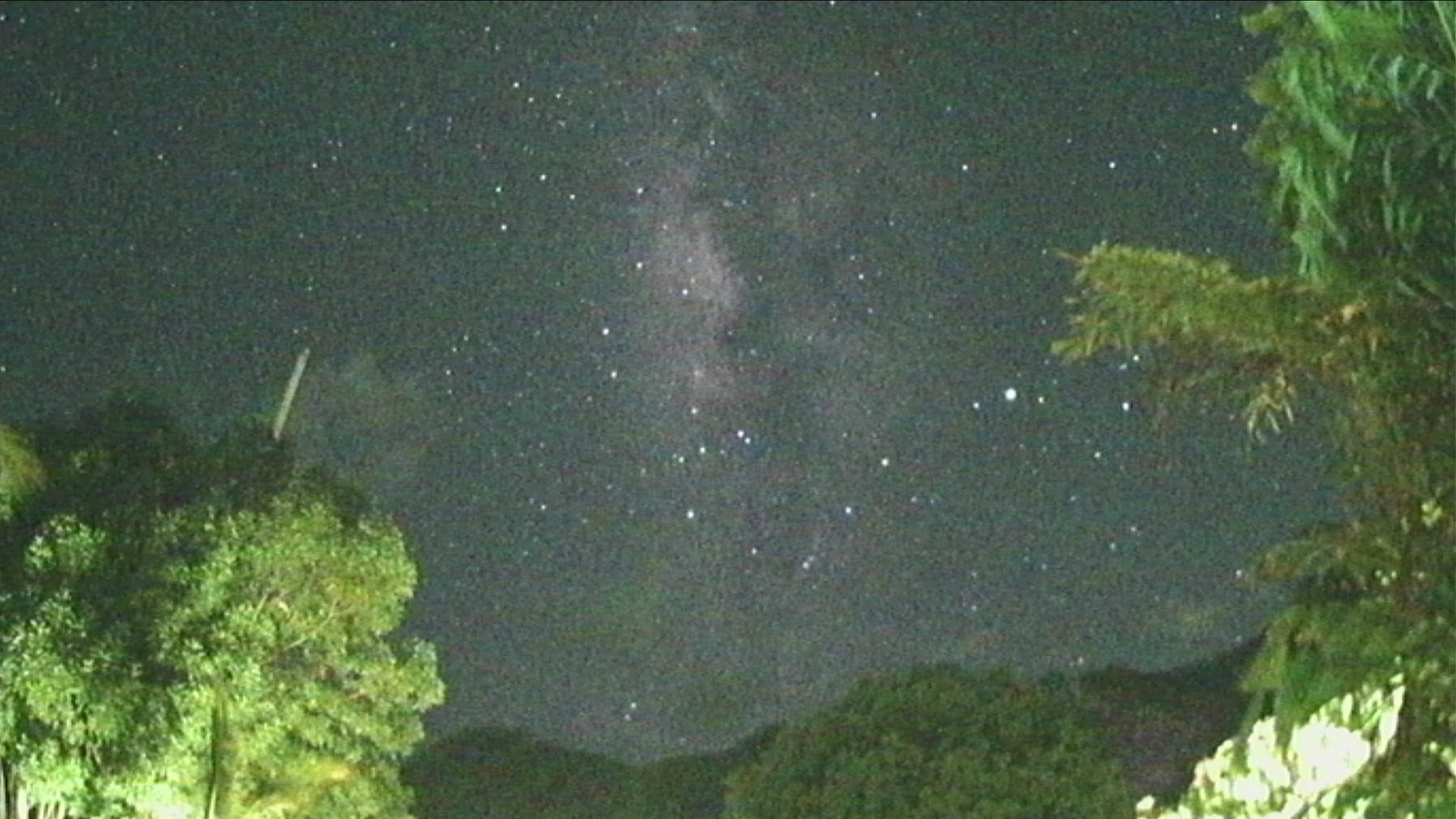
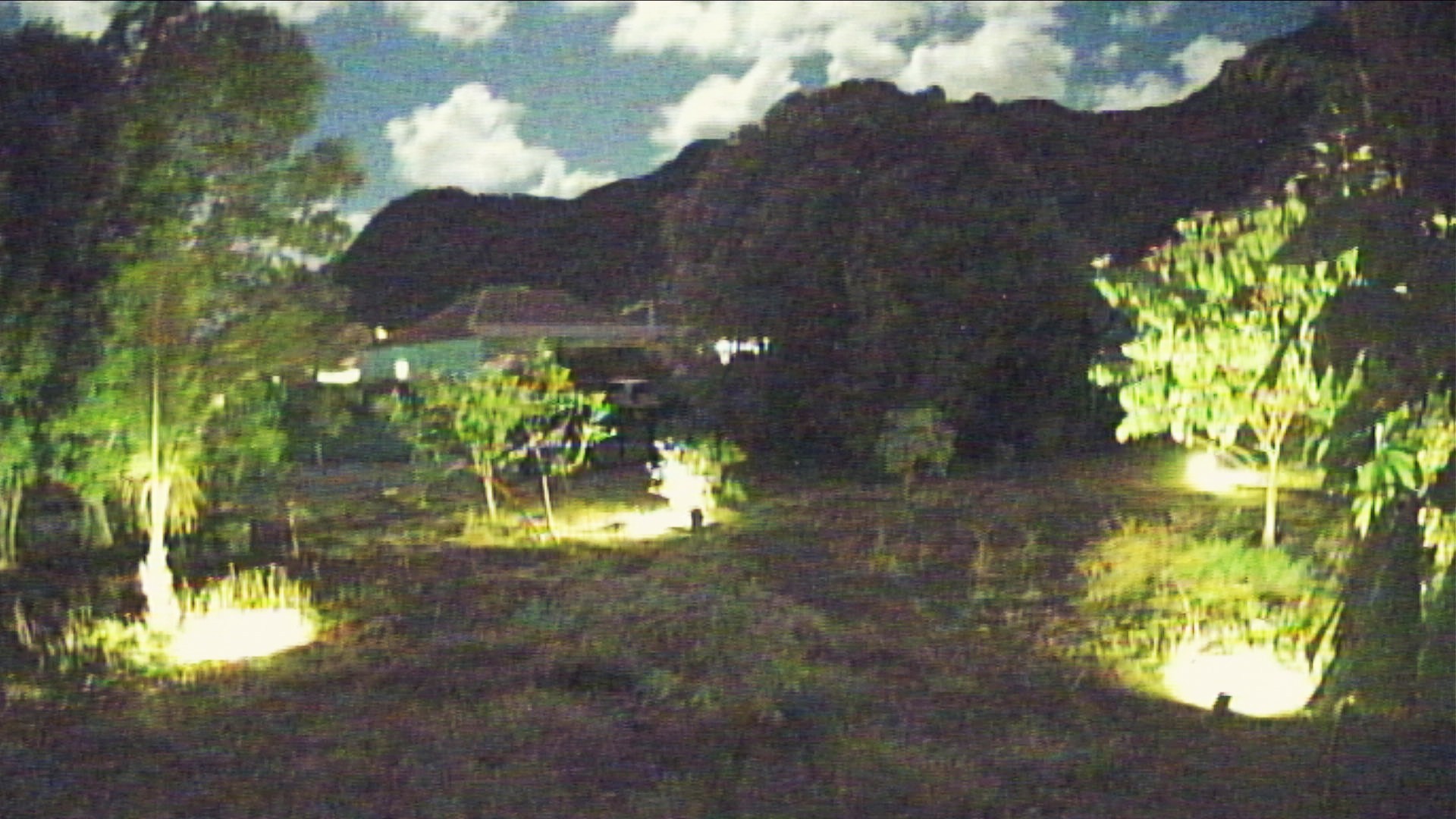
It also can be used as a nice night vision camera:



 likeablob
 Mike Rigsby
 Karri Palovuori
The toggle switch isn't shown in the schematic. How does that connect?