• I am stuck

    Dimitar08/01/2025 at 09:46 0 comments

    Hi all,

    Jay remaindered me about the patents and I went to search in them for answers. 

    Good news / bad news type of situation. 

    Bad news: I still don't know the answer of any of the questions from last log. 

    Good news:I found the answers to a questions I did not ask.

    Does the size of the pattern matter and how?

    In short - yes. You can think of it this way - 0.01 mm out of 1 mm is far greater than 0.01 mm out of 2.5mm. Smaller pattern greater sensitivity.

    What are those capacitors on the back for?

    Read more »

  • Generation

    Dimitar07/13/2025 at 12:55 5 comments

    Hello all,

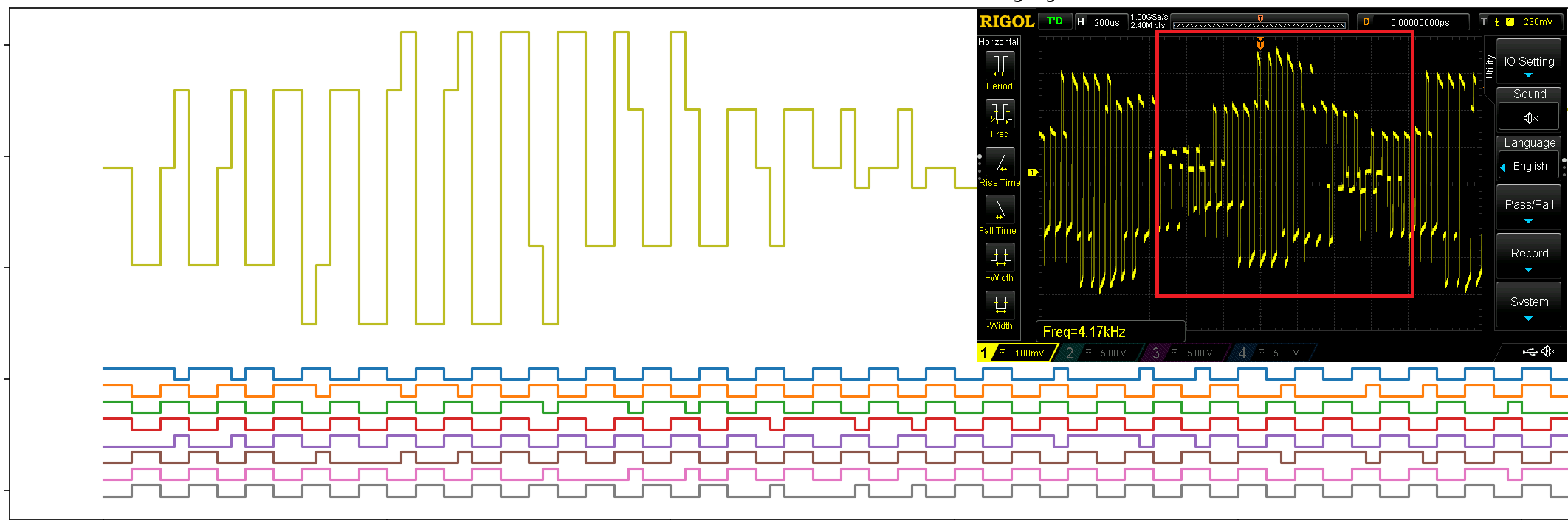
    Another session with ChatGPT and some googling I made a short python script to generate the patter that we use for excitation of the sensor. The code is already uploaded for you to play with

    Read more »

  • Simulation

    Dimitar07/11/2025 at 13:44 0 comments

    Hello all,

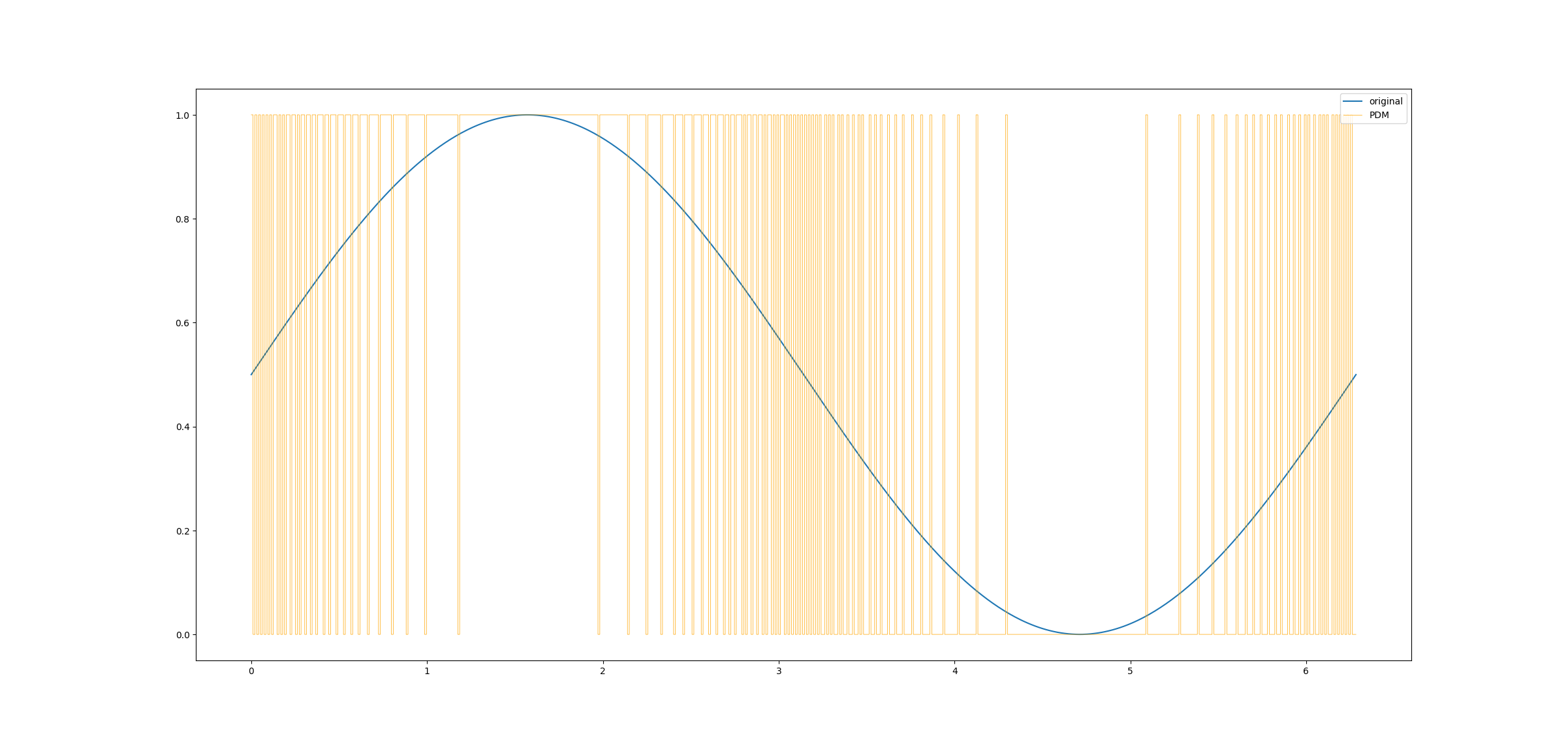
    I have decided to do something that probably I should have started with.  A simulation!

    Here you can find a python script that uses matplotlib to graph the excitation signals and the resulting signal. 

    It is not very sophisticated, but it seems to match the real world to a great extend. 

    Read more »

  • Open questions

    Dimitar07/05/2025 at 20:16 0 comments

    Hello all,

    The project is still going! Lately I have been overwhelmed with some personal issues and did not have much time to tinker. 

    However quite a number of people have contacted me about the project and expressed interest. So this motivates me to keep going. 

    There are still some open questions regarding the project. 

    1. How is this signals generated? Why this frequency? It looks like PDM but not quite.

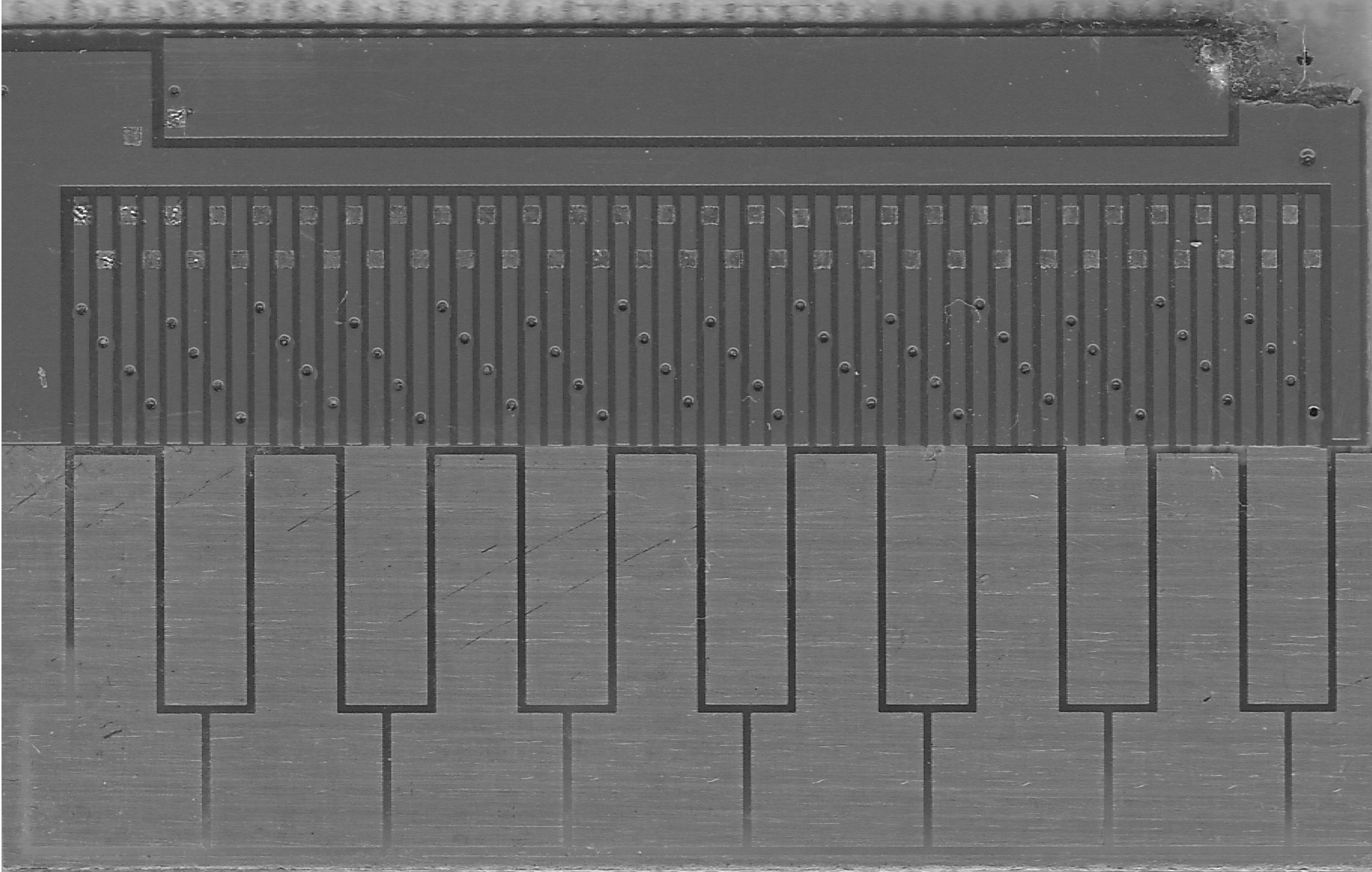
    2. My footprints do not match the ones form a caliper I bought. The example pads do not align as neatly as mine. I put both scale and sensor on my scanner and this is the result. Why do they did that?

    Read more »

  • Kevin's software breakdown.

    Dimitar12/31/2024 at 10:13 0 comments

    Hello all,

    You may know Kevin Lynagh form "I made a cell phone"  talk (and many more places), he has been interested in the project on the software side of things. He made a breakdown of his implementation of the SW. 

    You can take a look here: https://kevinlynagh.com/calipertron/

    Happy new year to everyone!

    Cheers,

    M

  • Type 2 Hardware available.

    Dimitar11/14/2024 at 20:49 0 comments

    Hello all,

    There are a few people that were interested in the project.  It would not be very fun if you don't have hardware to tinker with. So you got two options.

    A - Is to get the files gerber files and the BOM from the repo and make yourself a board with the STM32 

    B - You can order a Type 2 kit from my tindie shop

    There are a few differences to consider A is cheap to make. It is only 2 layer PCB and you can scavenge a blue pill to take the parts. But this comes with a cost of lower resolution.

    Example B is a bit nicer you can choose what XIAO board to use and it better resolution. But it is 4 layer board and a bit more expensive. 

    Cheers,

    M

  • Type 2 hardware fix

    Dimitar10/24/2024 at 15:19 0 comments

    Hello all,

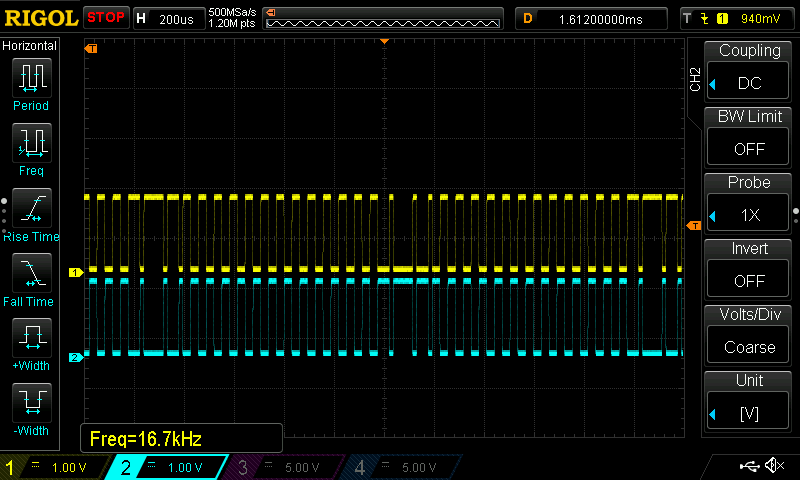
    This is how the fix looks like

    Now it looks quite bad, but it works kind of good. This is wat we have now on the ADC pin of the XIAO

    Now there are a few differences. Because the excitation pads are smaller the charge on the them is smaller and the useful signal is smaller. This makes the noise to signal ration bigger. And this is why we see a bit fuzzier signal. 

    The high part of the signal is sloped. My theory about that is there is a bit of overshoot on the excitation signals. This is normal since I soldered a bunch of signals.

    A think when I put the shift register on the board this will be mitigated to a large extend.

    Time for some KiCAD action. 

    Cheers,

    M

  • Calipatron type 2

    Dimitar10/22/2024 at 08:05 0 comments

    Hello all,

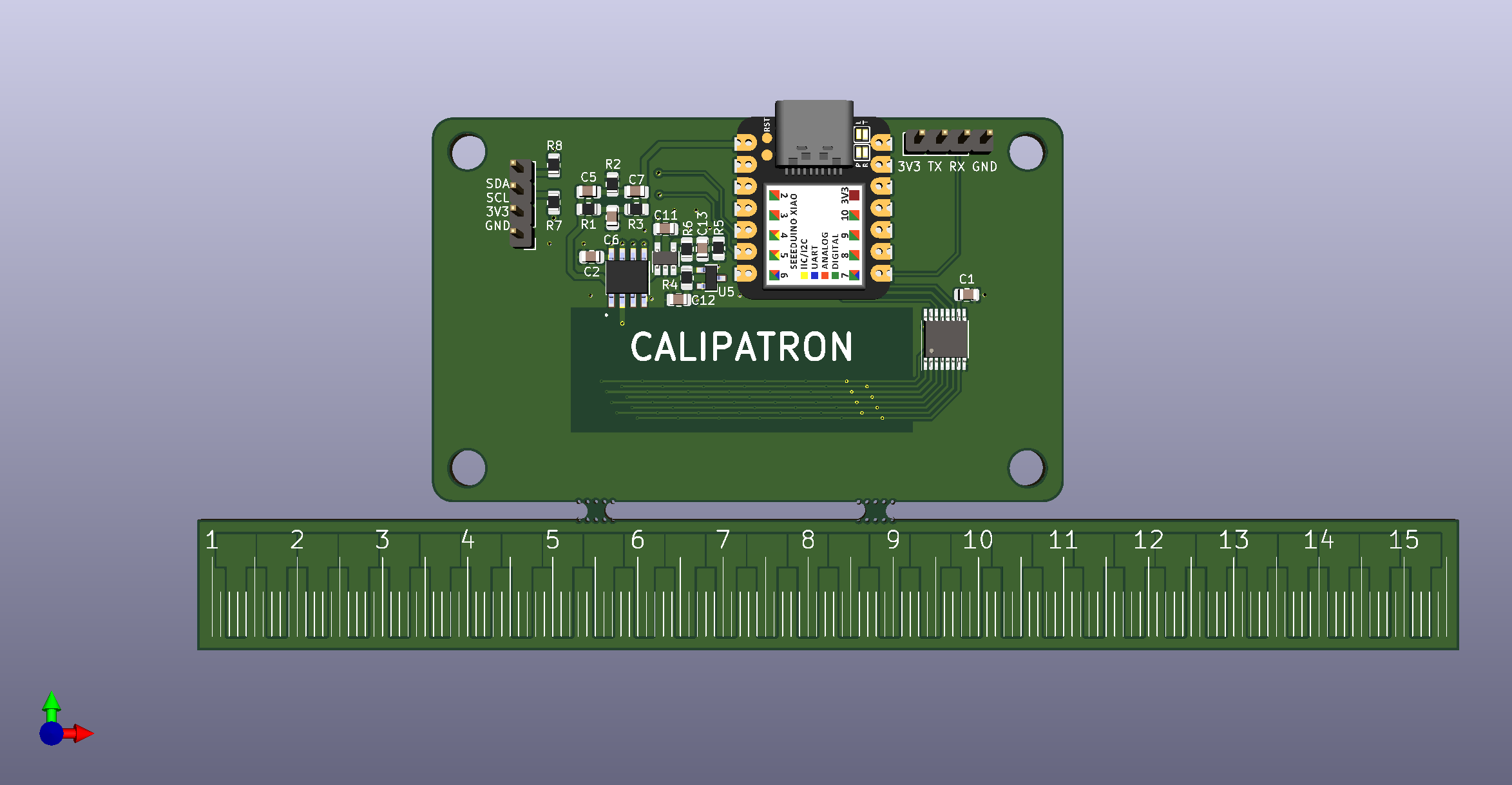
    I wrote on the previous build log that we have a different flavor of HW. For now we will call it type 2. 

    I was hoping that this would be just scaling the bigger footprints down and subtitling the MCU with headers, but it was not meant to be like that :)

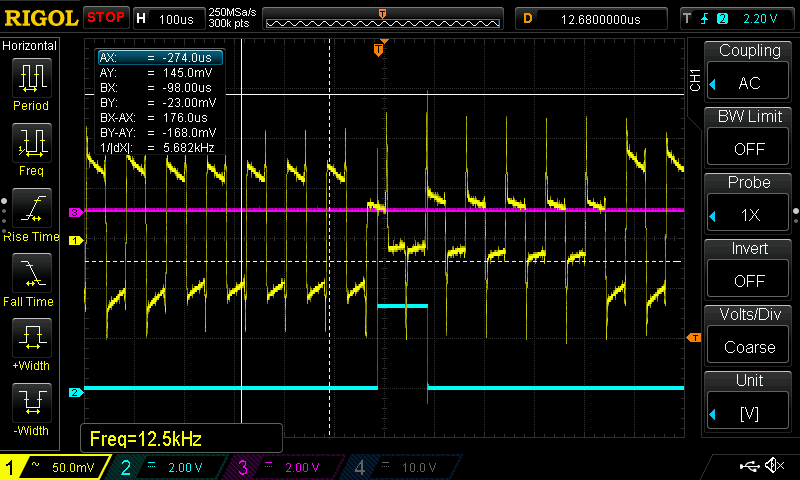
    When I got the the hardware I saw this on the scope.

    I was thinking at first it is noise from the switching of the PDM and I added some RC network to each pad. This only made the thing worse. Also I was thinking that the XIAO boards are noisy. Even I striped the copper surrounding the T-scale thinking that it was picking up some noise. The problem becomes obvious once we zoom in even closer.

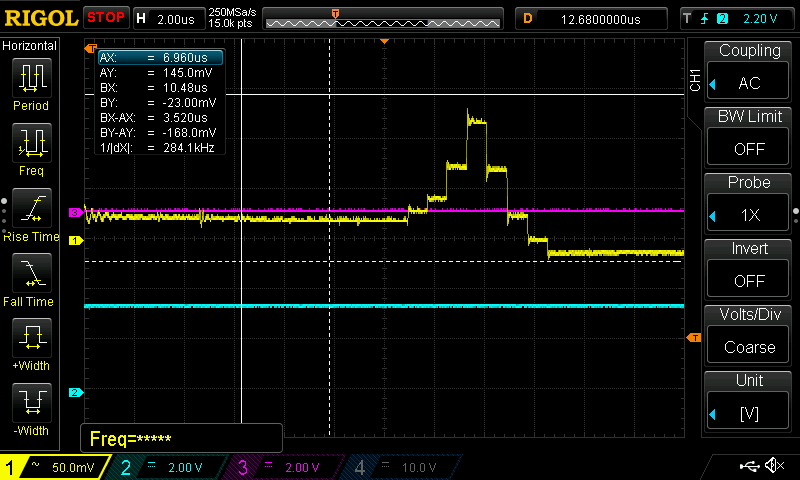
    This is what one of those peaks look likes on the 2us scale. For the original hardware running the ST I was using port register to switch the state of the excitation pads all at once. But running the XIAO board I was switching them one by one and then we get this ladder effect. 

    Now the quick solution would be to do the same for the XIAO board, but not all the pins are on the same port. Further more what happens if we put RP2040 or other controllers. We need a way of switching everything robustly and with every MCU provided. 

    The solution for now would be to add a shift register like the 74HCT595D from NEXPERIA. I have some laying around and will make a test.

    Also for bonus points a played around with the signal generation and I have modified the pattern a little bit so we get even nicer signals. You can get it from the repo.


    Cheers,

    M

  • Production files

    Dimitar09/15/2024 at 12:23 0 comments

    Hello together,

    Here you can find the necessary files to create your own boards. Since the design is two layer only it is possible to CNC the boards. You should only take care to isolate the back of the board where the scale is sliding with some tape:

    Here is the link: https://github.com/MitkoDyakov/Calipatron/tree/main/Hardware/V1.2

    You will find:

    • gerber files 
    • POS files
    • Schematics
    • mounting diagram
    • BOM
    • KiCAD footprints
    • step models 
    • 3D renders

    If you like the project and you want to join now is a good point. Still the project has a long way to go and it could be improved, but I feel the HW is in a working state and could be used in POC for your intended use. 

    Cheers,

    M

  • We are still kicking!

    Dimitar09/11/2024 at 11:28 0 comments

    Hey everyone,

    I know it is been a while. The project is still alive. I just had a rough patch designing PCBs for the project. For some time I did not had s solution for the noise problem, but now I do and here is the update. I tried addressing it with a the twin t-notch filter. That was not eliminating the problem, but rather putting a band-aid on it. Also fixed a few other minor things.

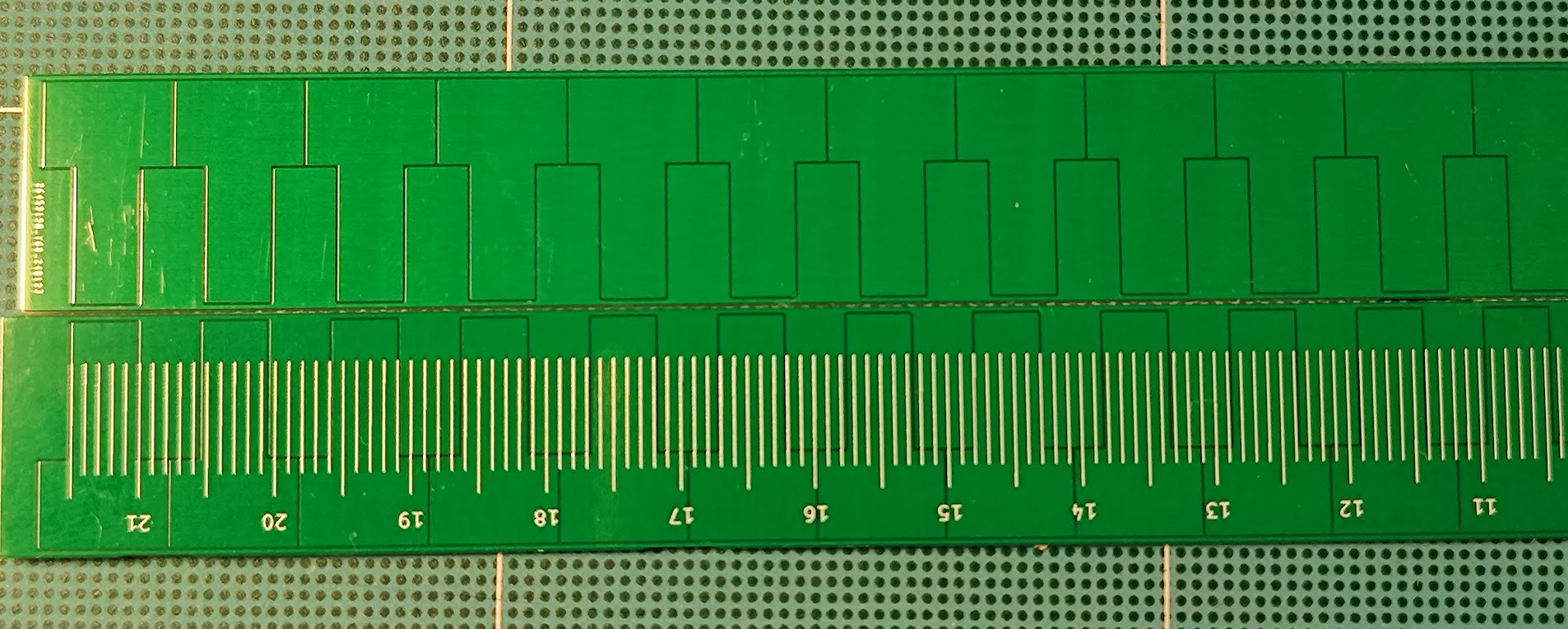
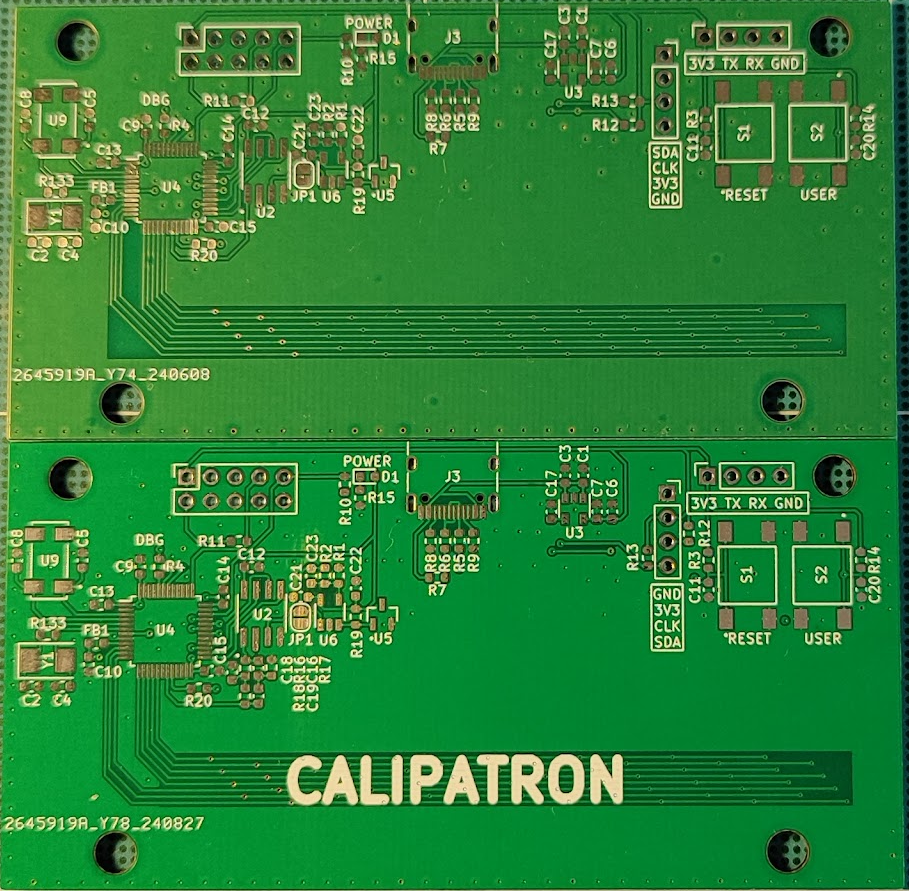
    • T-scale bar was wrong. The board was kind of working with the old one (on top) so it did not made an impression on me at first. But digging into the project it was getting clear that there was something off with the signal we puck up. Also for bonus points I added millimeter scale silkscreen.
    • On the front of the board. I finally fixed the display pinout. It took me a few tries. I added the twin T-notch filter and ran the ground closer to the excitations signals. We have a name "CALIPATORN" - I did not come up with the name :|
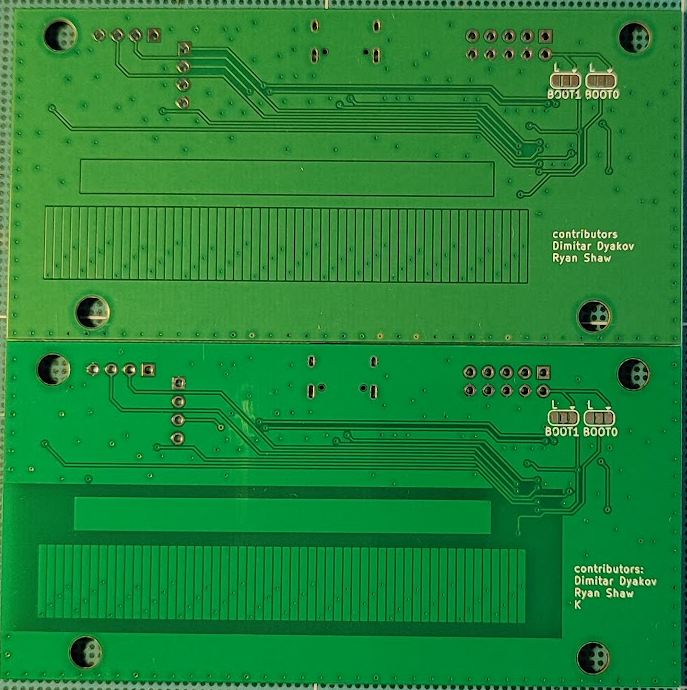
    • The big big change is on the back of the board and the one that brings the major improvement. What should strike you is the keep out area around the excitation/pickup pads. The ground plane was the source of the 50/60hz noise.  When the T-scale was out of alignment it coupled with the ground and introduced the AC signal through the op-amp which amplified it and we could clearly see it on the measurement

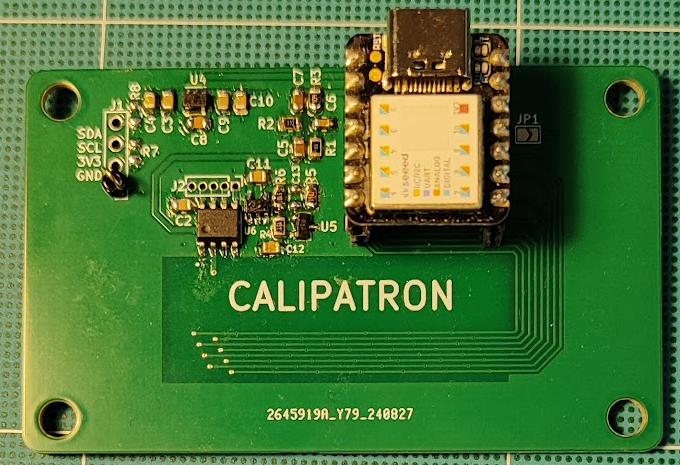
    The board above is our technology demonstrator. There are many other MCU on the market that are both cheaper, faster and with more feathers than the STM32F103. There are also people that don't like ST MCU in general. To address this I am working on this board. This contains the power supply and the op-amp part of the tech demo, but has a socket that holds XIAO style board. The good part is that you can have Arduino, Raspberry Pi or ESP-32 powered Calipatron. This board has a few glitches to iron out, but I will get there soon. 

    I now feel good about the CALIPATRON V1 that I recommend interested people to get some boards to experiment with. To do this in the near future I will upload schematics, gerbers, component position files, BOM and assembly schema. If on other hand you want a complete board you will be able to find some on the tindie shop. 

    Cheers,
    M